
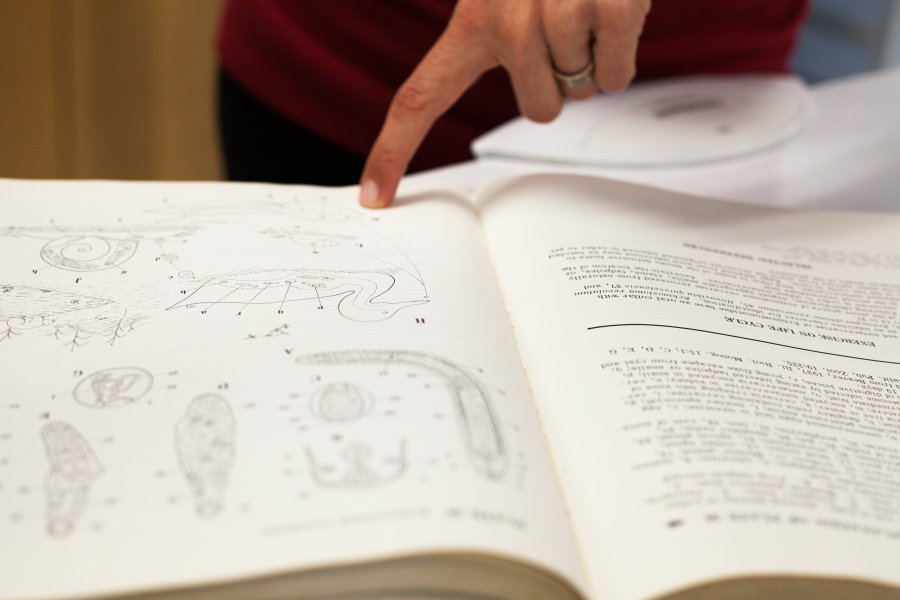
This video is a short documentary about the connection A.H. Reginal Buller had to the history of the University of Manitoba.
Biological Sciences
What we offer
In Fall 2024, our program offerings will be changing.
To learn more about our new program, refer to the Biological Sciences (new program) video. To see how these changes affect you as a current Major/Honours student in the Department of Biological Sciences, refer to the Biological Sciences (transition plan) video.
News and stories
UMToday
View more news and stories-

Winnipeg Free Press: Annual awards celebrate volunteers’ commitment, passion
Faculty of Science, UM Today
-
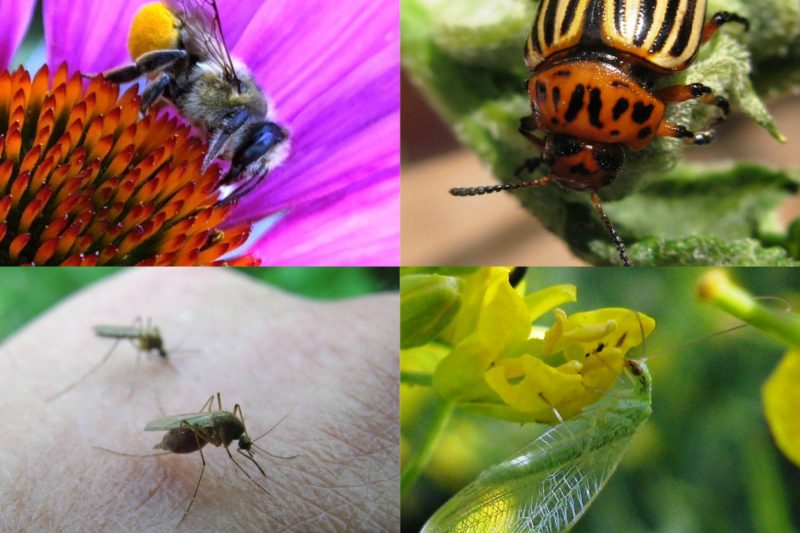
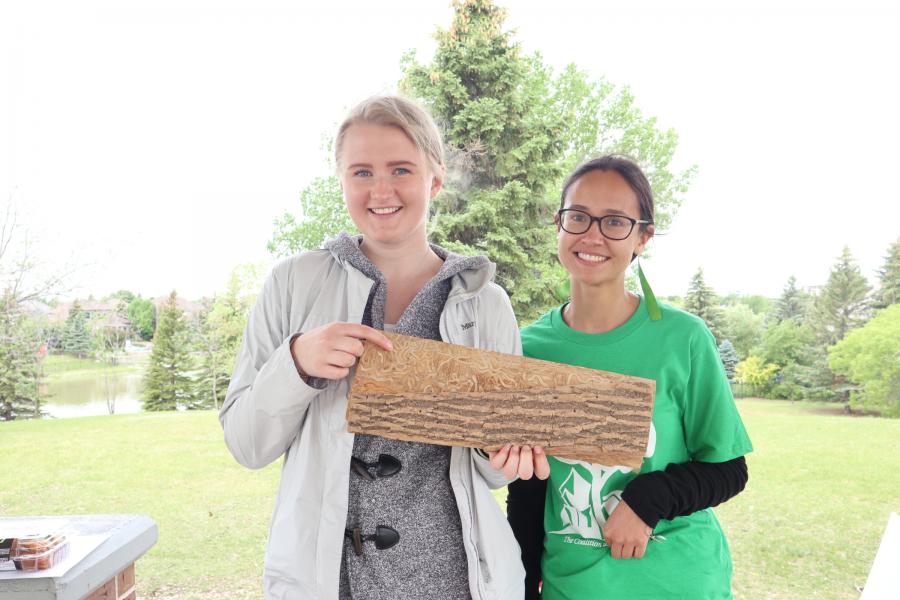
Insect Friends and Foes
Faculty of Agricultural and Food Sciences, Faculty of Science, Research and International, Students
-

Celebrating Work-Integrated Learning (WIL)
Faculty of Science
-
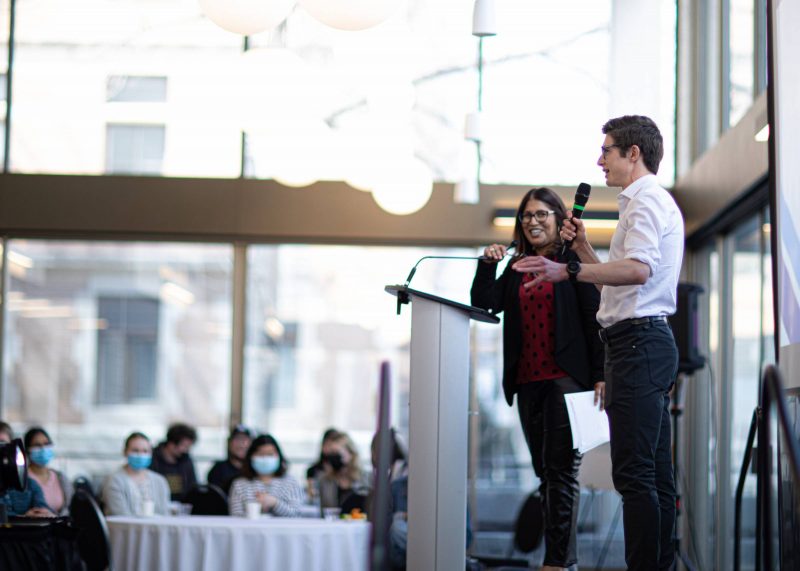
Witness the spark in science when students compete for $3,000 cash prize!
Faculty of Science
Events
-
Final exam period - Winter Term
Apr18-
12:00 am

-
-
Final exam period - Winter Term
Apr19-
12:00 am
-
-
Final exam period - Winter Term
Apr20-
12:00 am
-
-
Final exam period - Winter Term
Apr21-
12:00 am
-
-
Final exam period - Winter Term
Apr22-
12:00 am
-
-
Final exam period - Winter Term
Apr23-
12:00 am
-
-
Final exam period - Winter Term
Apr24-
12:00 am
-
-
Final exam period - Winter Term
Apr25-
12:00 am
-
-
Final exam period - Winter Term
Apr26-
12:00 am
-
-

Science Rendezvous
May11-
11:00 amto03:00 pm
-
-
Voluntary withdrawal deadline for Winter/Summer Term classes
May16-
12:00 am
-
Buller
You may also be looking for


Dana Schroeder Memorial Scholarship in Genetics
Dana always encouraged her students to apply for as many scholarships as possible, so the family wanted to set up an award in her memory. These awards will go to a graduate student in Biological Science who is studying genetics. While the family is contributing the initial funds, anyone who wishes to make an additional donation is encouraged to do so.
Permanent awards require a very large initial donation ($25,000), but smaller amounts can be spent out through the Faculty of Science. For example $5000 as a $1000 award over five years, which is closer to the scenario we are expecting.
When you visit the donor page you have the option to enter your name or remain anonymous. The family will receive a list of names for those that were entered and the total amount donated, but Donor Relations never releases individual amounts donated.
Contact us
-
Undergraduate inquiries:
biosciuginquiry@umanitoba.ca -
Graduate inquiries:
biograd.program@umanitoba.ca
Our office
Department of Biological Sciences
212B Biological Sciences Building
50 Sifton Road
University of Manitoba
Winnipeg, Manitoba, R3T 2N2 Canada
204-474-9245
Our office is open Monday to Friday, 8:30 a.m. to 4:30 p.m.