
Meeting rooms and classrooms
There are a number of meeting spaces and classrooms available to book/rent in our sport and recreation facilities.
The University of Manitoba campuses are located on original lands of Anishinaabeg, Ininew, Anisininew, Dakota and Dene peoples, and on the National Homeland of the Red River Métis. More
University of Manitoba
Winnipeg, Manitoba Canada, R3T 2N2
Faculty of Kinesiology and Recreation Management
Faculty of Kinesiology and Recreation Management
Faculty of Kinesiology and Recreation Management, UM Today
undergraduate students
graduate students
faculty academics
alumni
faculty-sponsored scholarships
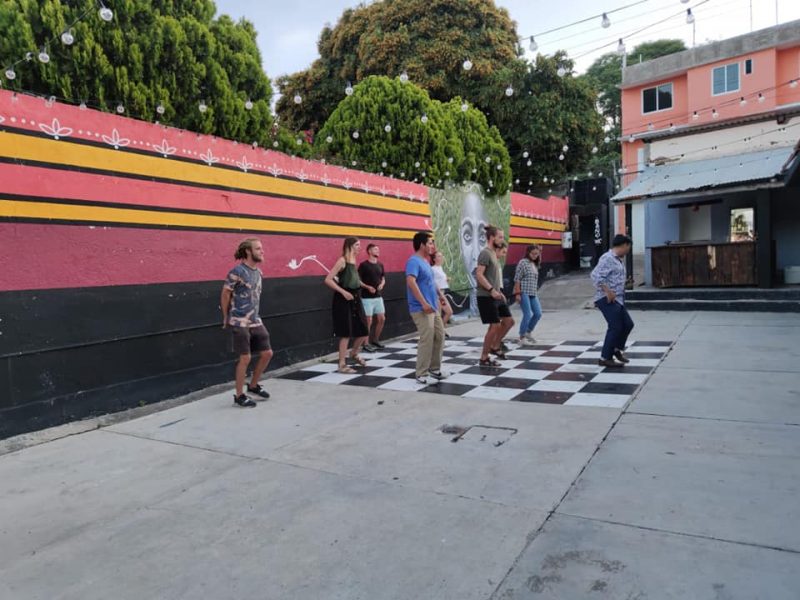
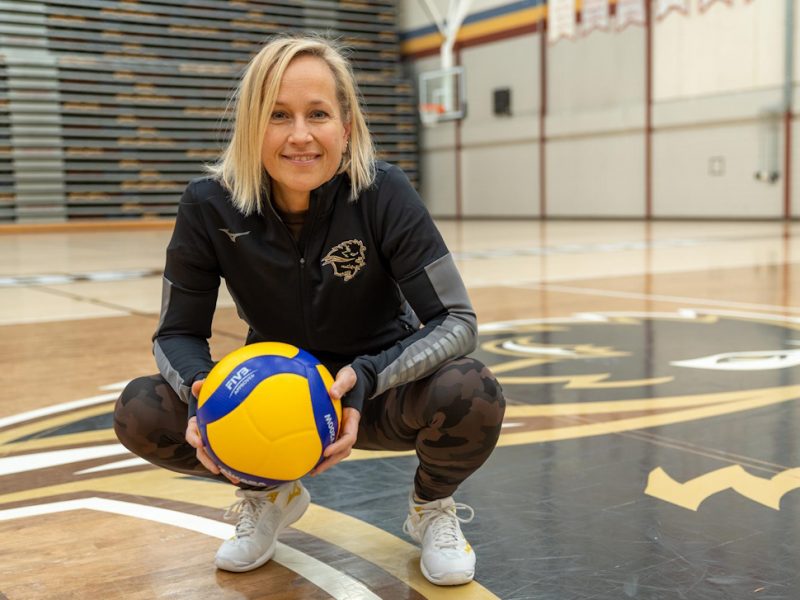
As part of the Faculty of Kinesiology and Recreation Management you'll be joining us in our commitment to health, wellbeing, human movement and leisure. Our research covers a wide variety of aspects of physical and mental well-being, and our programs prepare students for careers as kinesiologists, physical educators, recreation/tourism specialists and coaches

The discovery and dissemination of the knowledge related to physical activity, human movement, sport, and leisure to improve the health, well-being and quality of life of Manitobans, Canadians and citizens of the world.
The Faculty of Kinesiology and Recreation Management proudly maintains a wide selection of spaces and facilities for sport, recreation, academic, and research purposes.
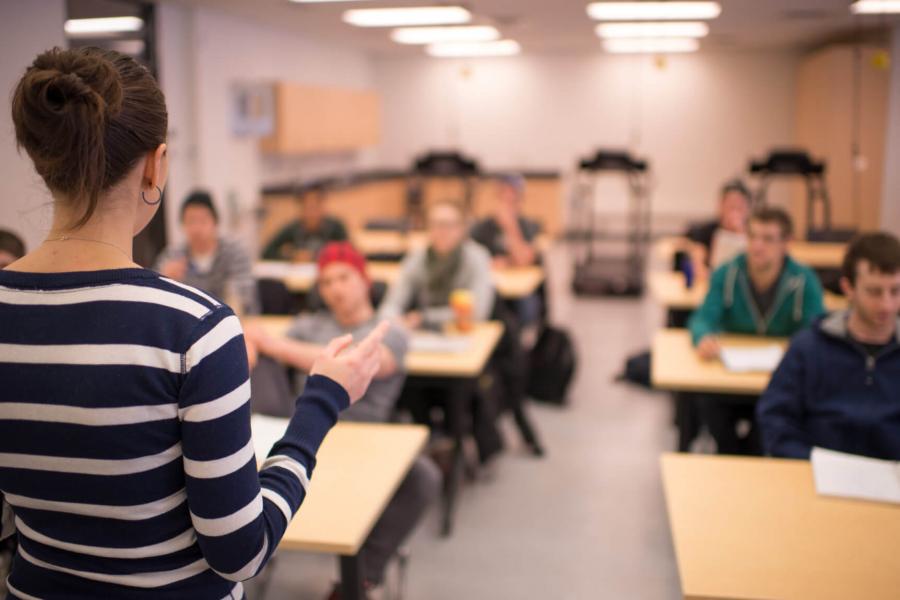
There are a number of meeting spaces and classrooms available to book/rent in our sport and recreation facilities.
Faculty of Kinesiology and Recreation Management
Room 102 Frank Kennedy Centre
420 University Crescent
University of Manitoba (Fort Garry campus)
Winnipeg, MB R3T 2N2 Canada