












Centre for the Reseach and Treatment of Atherosclerosis

About Us

About the Atherosclerosis Center

Click on one of the following topics to jump to a section in this page: Preamble & Mission,Scope of Activity, Human Resources Training, Physical Resources, Financial Resources.  atherosclerosis information,

2. Description and Justification 

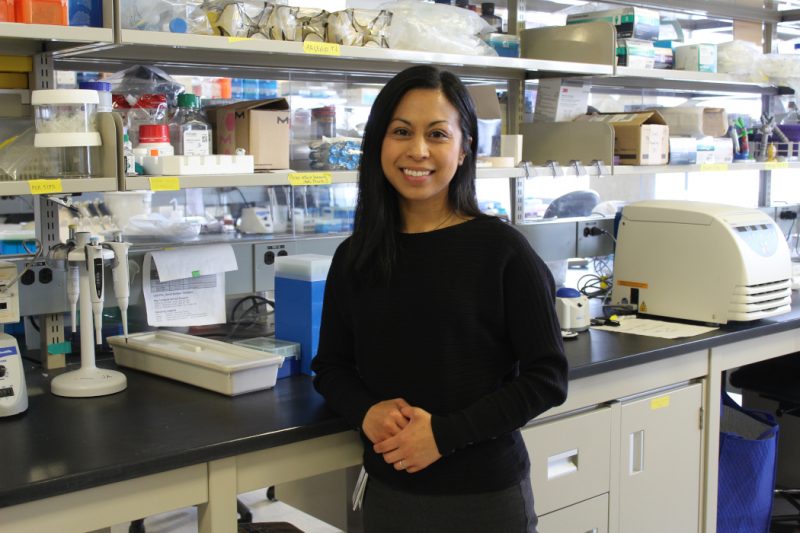
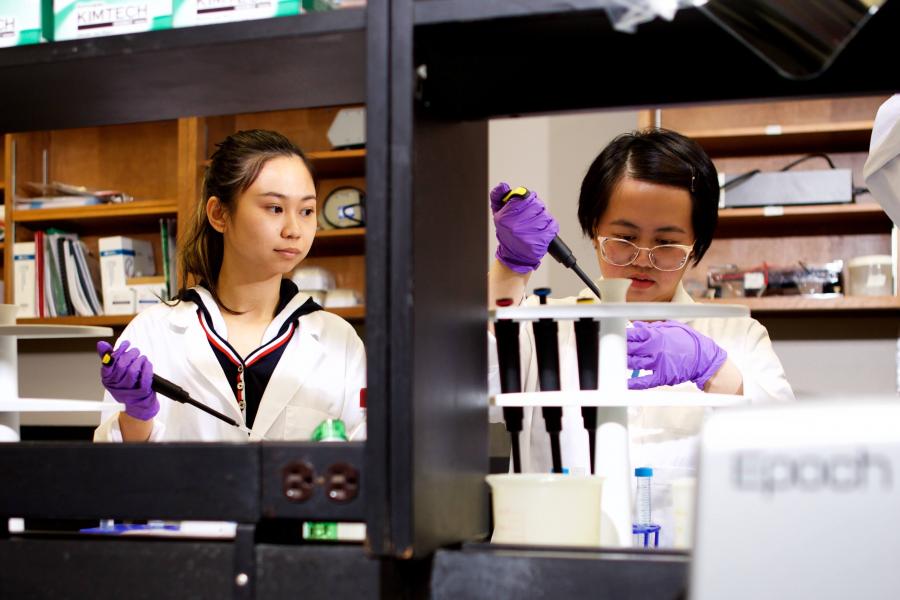
Atherosclerosis Lab

A(i). Preamble and Mission:  

Athersclerosis is a vascular disease arising from an abnormal thickening and hardening of the arteries. It is caused by the deposit of cholesterol and other fatty substances on the inner lining of blood vessels, especially those in the the heart. The incidence of athersclerosis has increased dramatically in the last several decades, dut to changes in dietary habits and lifestyle. It has become one of the leading causes of heart disease and stroke related death in Canada. At present, the factors leading to the development of atherosclerosis remain unclear. The mission of the Centre is to carry out research in the pathogenesis of athersclerosis, and to bridge research with patient care by bringing the latest findings from the bench side to the bedside. The Centre also provides a stimulating environment for interaction between established and junior faculty members as well as research trainees. 

B. Scope of Activity: 
 
Atherosclerosis Lab HPLC

The Centre for Research and Treatment of Atherosclerosis will introduce two new components to the existing activities of the Lipid Research Group. (1) The development of a fully equipped core laboratory and the recruitment of a staff scientist devoted to the study of the pathogenesis and prevention of atherosclerosis and related lipid disorders, and (2) The recruitment of a clinical research director for the Centre. In conjunction with Dr. D. Mymin, the director will participate in direct patient care at the Lipid Clinic. He/She will coordinate the research direction of the staff scientist and conduct both clinical and basic research in atherosclerosis. He/She will maintain liaison with pharmaceutical firms regarding opportunities for collaborative research. The director would also oversee public and patient education programs. 

The Centre will focus on two new research directions. (1) To enhance the current study on the biology of low density lipoproteins (LDL) by focussing on how some drugs may reduce the formation of atherosclerosis by the oxidized form of LDL, and (2) To study new risk factors, such as homocysteine, that could cause atherosclerosis, and to test whether various dietary and drug treatments are effective in countering these risk factors. 

C. Human Resources: 
Lipid Lab  
Human Resources: In addition to the recruitment of the clinical research director, the research and clinical work of the Centre will be drawn on the existing strength of the Lipid, Lipoprotein and Atherosclerosis Research Group (Lipid Research Group). The Group is chaired by Dr. P.C. Choy and consists of biochemists, physiologists, pharmacologists, clinical chemists and physicians who are holding academic appointments in the Faculty of Medicine at the University of Manitoba. The Group was formed in 1992 as a discussion group. It has been formally recognized as an established research group by the Faculty of Medicine since 1996. It is also recognized by the Medical Research Council of Canacd (MRC) Regional Partnership Program at the University of Manitoba as an established research group and members of the group are eligible to submit their grant applications under the partnership program. 

The current research activity of the Group is focused on the biology of oxidized LDL (metabolism of "bad cholesterol") as a factor for the pathogenesis (origin and development) of atherosclerosis. The Group, in conjunction with Dr. D. Mymin, Director of the Lipid Clinic, is carrying out several clinical studies on new drugs for the prevention of atherosclerosis. The Group also organizes public forums and cardiovascular disease related- Risk Factor Clinics for the public. 

D. Training of Graduate Students, Postdoctoral Fellow, Clinical Resident and Fellow:  
Research Group Lab  
The Centre will offer research trainees with a multi-disciplinary approach to study the D. Training of Graduate Students, Postdoctoral Fellow, Clinical Resident and Fellow; The Centre will offer research trainees with a multi-disciplinary approach to study the pathogenesis and prevention of atherosclerosis. In the last five years, members of the Lipid, Lipoprotein and Atherosclerosis Research Group have trained more than 20 graduate students and several postdoctoral fellows. The Centre will be able to offer clinical residents and fellow in the cardiovascular field with an unique opportunity to do both clinical and basic research. 

Dr.Pat Choy, Department of Biochemistry & Molecular Biology


Atherosclerosis
Facilities
Organization
Constitution
Atherosclerosis Information
Management
Resources
Members
Links
Network