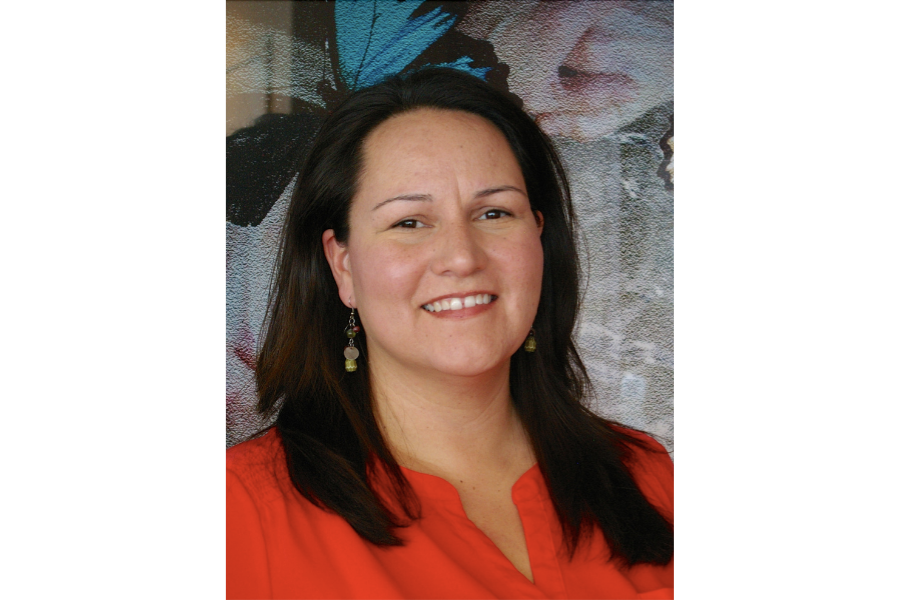
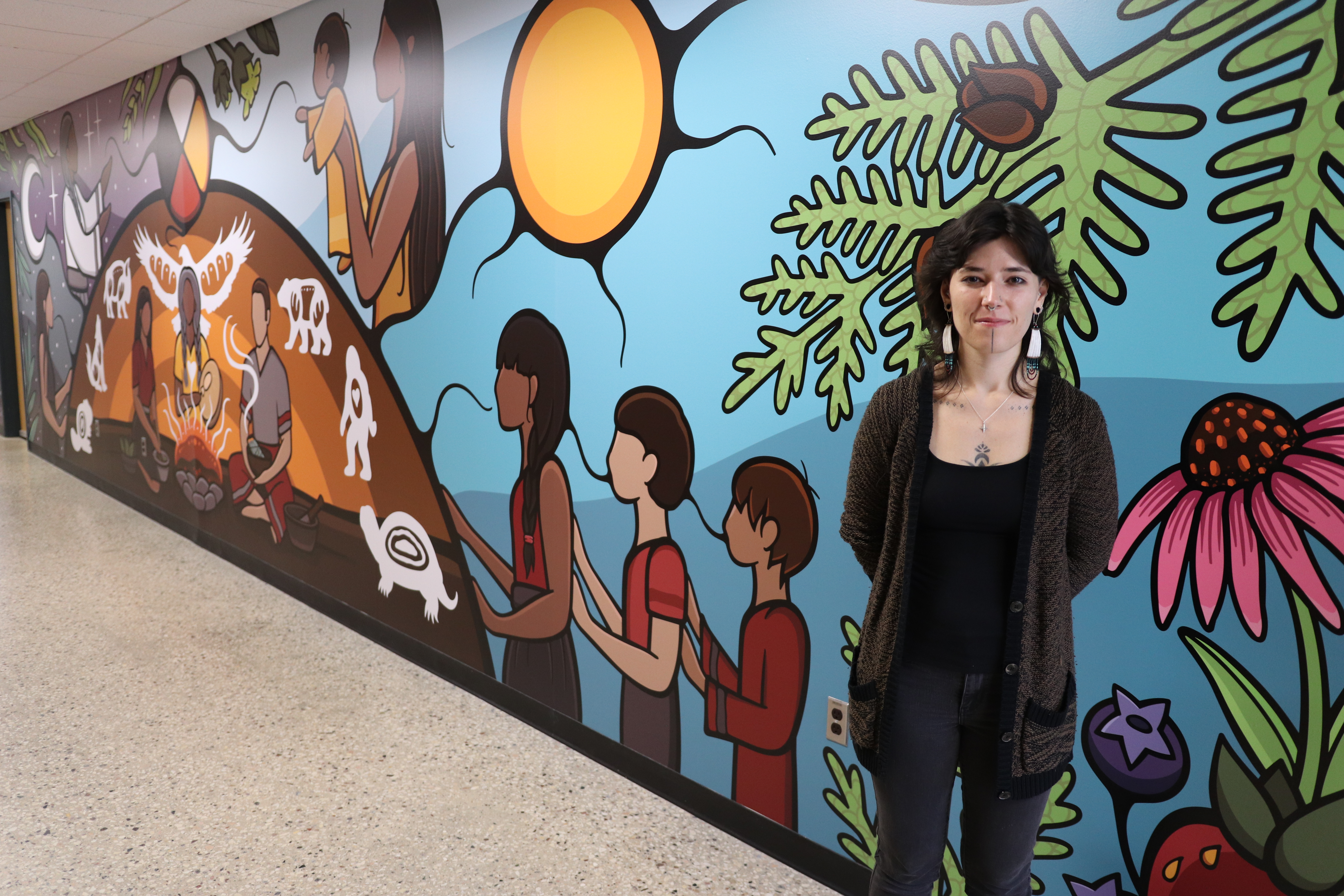
Dr. Angie Bruce is a proud Red River Métis woman from St. Laurent, Manitoba, an accomplished executive leader, scholar, and public policy innovator whose career has been dedicated to advancing Indigenous self-determination, governance, reconciliation, and systemic transformation across public institutions. She currently serves as Vice-President (Indigenous) at the University of Manitoba, where she provides strategic leadership for Indigenous achievement, Indigenous engagement, reconciliation initiatives, and the advancement of Indigenous priorities across the University's teaching, research, governance, and community-facing activities.
In her role, Dr. Bruce works collaboratively with Indigenous Nations, communities, faculty, students, Elders, Knowledge Keepers, and institutional partners to strengthen Indigenous representation and success within higher education. Her leadership supports the recruitment and retention of Indigenous faculty and staff, the expansion of Indigenous research and scholarship, the integration of Indigenous knowledges across academic programs, and the development of meaningful partnerships that advance Indigenous priorities and community wellbeing. She is particularly interested in how universities can transform their structures, cultures, and governance systems to better support Indigenous self-determination and reciprocal relationships with Indigenous Peoples.
Dr. Bruce's academic and professional leadership is informed by more than two decades of experience across Indigenous organizations, provincial and federal governments, and the post-secondary sector. Throughout her career, she has brought together governments, Indigenous Nations, industry leaders, researchers, and communities to advance innovative and collaborative approaches to complex policy and governance challenges.
Prior to joining the University of Manitoba, Dr. Bruce served as Assistant Deputy Minister of Natural Resources Canada's Nòkwewashk sector, where she led initiatives to advance Indigenous participation in Canada's natural resource economy. Her accomplishments included the expansion of the Indigenous Natural Resource Partnerships Program, the development of international Indigenous partnership initiatives, and the creation of the department's first Indigenous Research Ethics policy. She also played a key role in advancing Canada's Indigenous Loan Guarantee Program, which has become a landmark initiative supporting Indigenous equity ownership and economic participation in major infrastructure and resource projects.
As Deputy Minister responsible for Indigenous and Northern Relations in Manitoba, she oversaw significant progress on Treaty Land Entitlement implementation and strengthened collaborative relationships with First Nations, Métis, municipal, and provincial partners. Earlier in her career, she held leadership positions with both the Legacy of Hope Foundation and the Aboriginal Healing Foundation, organizations committed to healing, truth-telling, education, and reconciliation related to the legacy of residential schools.
Dr. Bruce earned a PhD in Indigenous Leadership and Public Sector Governance from Nipissing University and holds a Master of Business Administration from the Asper School of Business at the University of Manitoba.
Her research interests focus on Indigenous women in leadership and governance; Indigenous self-determination within public institutions; decolonizing and Indigenizing higher education; Indigenous research governance and ethics; Indigenous economic reconciliation; relationship-centred leadership; public sector transformation; and the role of institutions in advancing equity, reconciliation, and social justice. Her work explores how relationships, trust, and accountability can create transformative change within organizations while supporting Indigenous resurgence, community priorities, and sustainable pathways for future generations.
Through her scholarship, executive leadership, and community engagement, Dr. Bruce continues to champion innovative approaches to reconciliation that move beyond policy commitments toward meaningful institutional and societal change. Her work is grounded in a belief that strong relationships, shared responsibility, and Indigenous ways of knowing are essential to building more equitable organizations and communities.