Our objectives

The Office of Interprofessional Collaboration strives to align with the Rady Faculty’s Strategic Plan (2024-2029). The OIPC’s key objectives are to:

  • Champion the advancement of interprofessional education and collaborative practice opportunities within RFHS.
  • Ensure all RFHS learners have a foundational knowledge of interprofessional collaborative practice (IPCP).
  • Enhance IPC learning opportunities by using innovative technologies and simulation techniques. 
  • Ensure all RFHS learners are provided IPC learning opportunities as part of clinical placements and community-engaged learning experiences.
  • Actively engage with community and health system partners to promote and expand IPC learning and clinical placement opportunities for learners.
  • Promote high quality IPC research and scholarship.

What is interprofessional collaboration?

“…when multiple health workers from different professional backgrounds provide comprehensive services by working with patients, their families, caregivers, and communities to deliver the highest quality of care across settings.”
World Health Organization, 2010

Online learning about collaboration

The OIPC has developed a 90-minute online self-paced module introducing collaborative team-based and The Canadian Interprofessional Health Collaborative (CIHC) Competency Framework for Advancing Collaboration (2024).  

Learners are introduced to the six competency domains of the framework:

  • Relationship-focused care/services
  • Team communication
  • Role clarification and negotiation
  • Team functioning
  • Team differences/disagreements processing
  • Collaborative leadership

Throughout the module, health and social care providers, as well as service users (e.g., patients, families), share their insights based on their own lived experiences with collaboration.

Rady learners access the module through UM Learn. The module is currently being translated into French (anticipated launch 2026) and we are additionally transitioning the module content to an open education resource.

Community-based collaborative learning opportunities

The OIPC facilitates and supports interprofessional collaboration opportunities for RFHS learners in several diverse environments beyond the classroom. Examples include clinical placements, student led clinics and community engaged learning opportunities within Indigenous communities.

Ndinawemaaganag: Interprofessional community engagement with an Indigenous community (Manitoba)

Overview

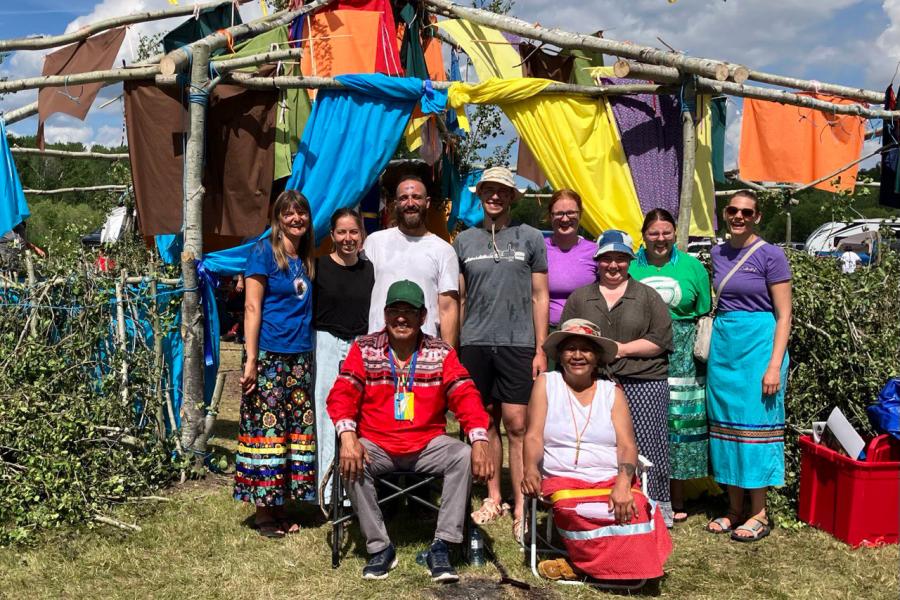
This interprofessional program was named Ndinawemaaganag by Elder Margaret Lavallee and translates to “All My Relations.” This meaning speaks to the connections the students make with the community, each other, and the land.

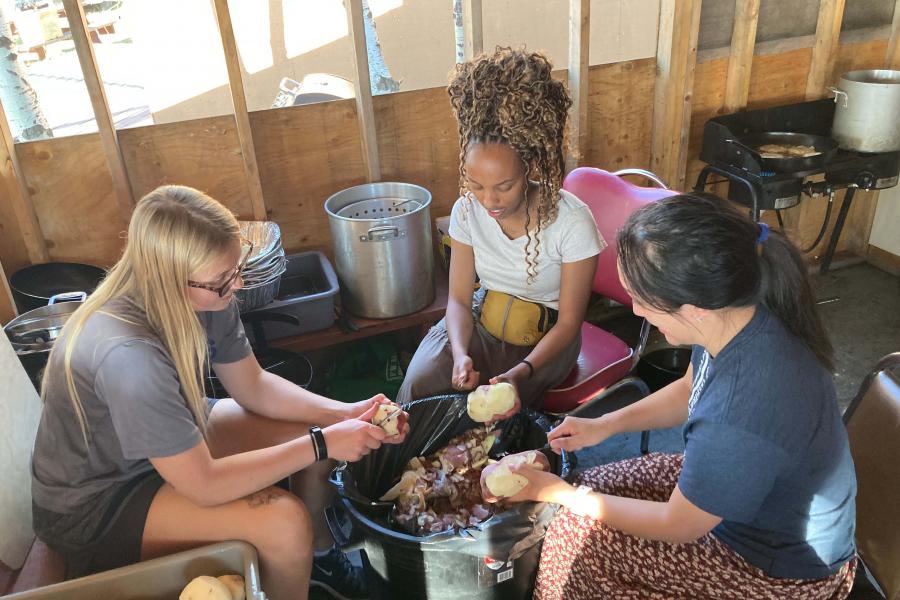
Students will participate in an immersive interprofessional learning opportunity, within a First Nation community to learn about an Indigenous community, its people, health and well-being.
Experiences will vary, as each community determines the learning opportunities. Some experiences will include opportunities to learn within health centres and nursing stations however all will incorporate land-based, holistic learning experiences that are deeply rooted in local Indigenous cultural practices.

This program is funded by the RBC Experiential Learning Travel Initiative.

Listen now: past students share their experience

Opportunities for 2026

Sundances

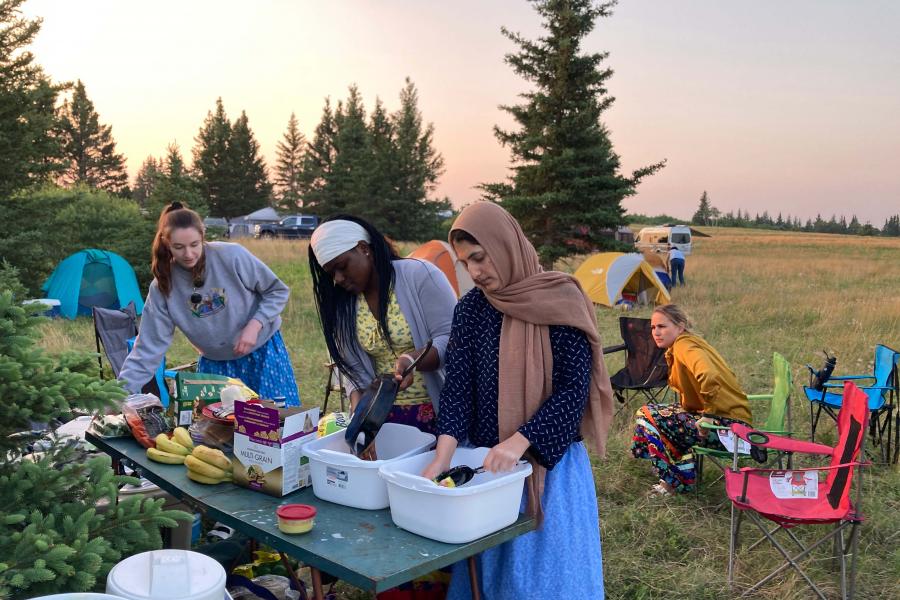
Students will work collaboratively in key helper roles to support these sacred ceremonies. Students will also have the opportunity to participate in aspects of the ceremony. In most cases, they will camp with other helpers and supporters, with camping gear provided if needed.

Sundance dates and locations:

  • Blacksmith Sundance (Spruce Woods): June 11–14, 2026
  • Opaskwayak Sundance (OCN/The Pas): July 2–5, 2026
  • Shallow Bay Sundance (Grand Rapids): July 9–12, 2026
  • York Landing Sundance (York Landing) August 6-9, 2026
  • Sakitowin Sundance (Cross Lake/Pimicikamak): August 20–23, 2026
  • Two Spirit Sundance (Near Portage): To be confirmed

Two-week experience

Grand Rapids: July 6-17, 2026

A collaboration between the Misipawistik Health Authority, Shallow Bay Sundance, and a land-based culture camp. Students will stay in a riverside cabin during the week and will camp by the water on the weekend.

Norway House Cree Nation: June 15-26, 2026 (one week option may be available)
 
Students will have a variety of experiences within the new Health Centre of Excellence, the community's health and wellness programs, and land-based experiences. Students will stay in cabins on the water.


Other experiences

Tobacco camp: August 10-14, 2026

Students will support a camp for youth from eight First Nation communities across southeastern Manitoba at a camp in the Whiteshell. 

The camp teaches smoking cessation strategies, provides teachings related to the traditional uses of tobacco and other cultural practices, and incorporates other harm reduction/health promotion strategies.

Healing retreats: dates are to be advised

Typically held in early September (women’s retreat) and late September (men’s retreat).

How to apply

The application is now open and students will be matched to opportunities on a rolling basis until all spaces are filled. 

Apply now

For more information, please contact lisa.mendez@umanitoba.ca.

About the coordinator

Lisa Mendez is the collaborative healthcare practice lead in the Office of Interprofessional Collaboration and an instructor in the Department of Occupational Therapy. 

She has been supporting partnerships with First Nation communities in this role since 2017. To date, over 155 students from 11 programs have participated in this program in 13 communities.

Interprofessional community engagement with an Indigenous community (Amazon)

Overview

Dates: February 13-22, 2026 or May 1-10, 2026
Location: Quito and Archidona, Ecuador
Fee: $2,500 CDN (all-inclusive)
Number of students: 10–16

The program is 100 percent not-for-profit. The all-inclusive fee of $2,500 CDN covers return airfare, all in-country transportation and accommodations, three daily meals, pre-departure training, and a financial contribution to Amupakin to support their goals.

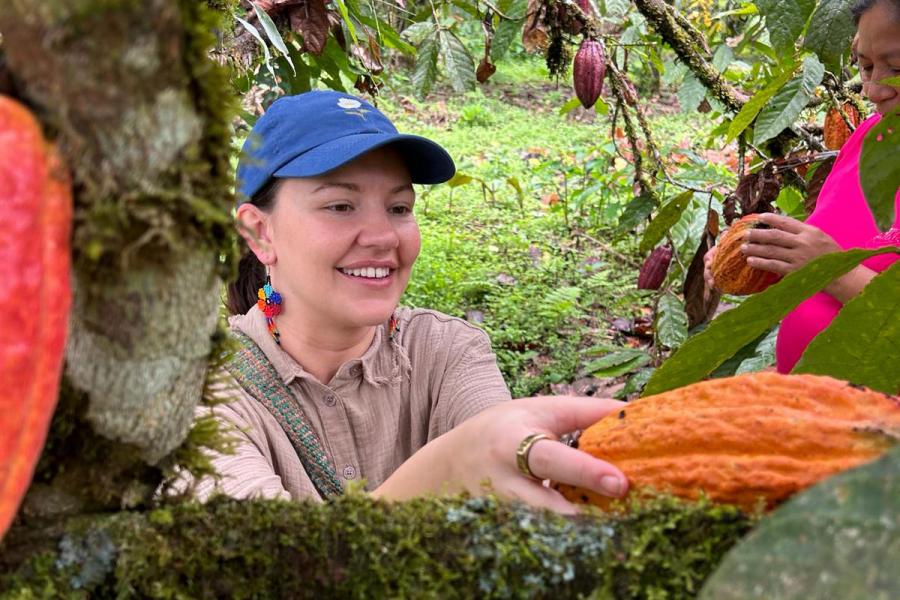
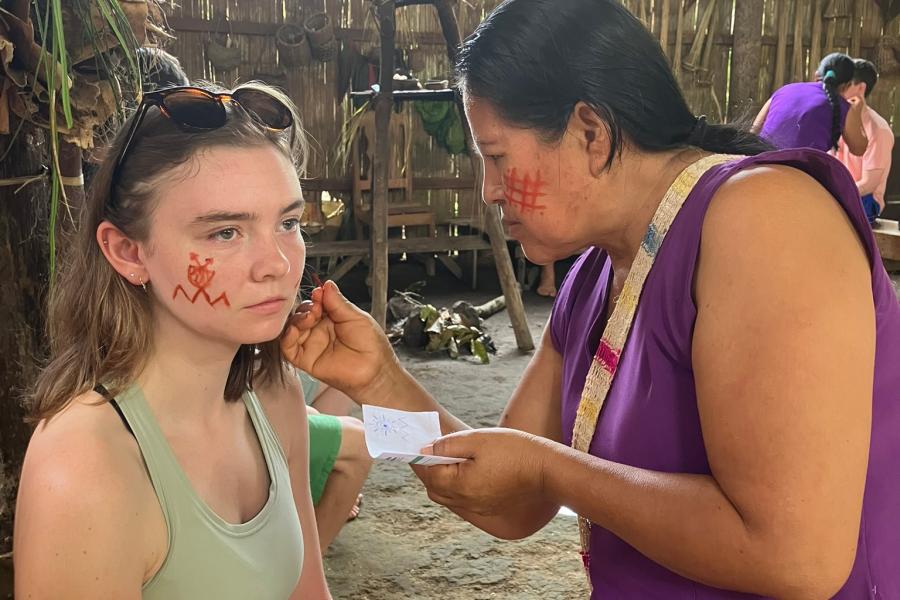
The Amazon program is a collaboration between the Office of Interprofessional Collaboration in the  Rady Faculty of Health Sciences and the Amupakin Collective—a group of Kichwa health practitioners who work to keep alive the knowledge of their land, culture and traditions.

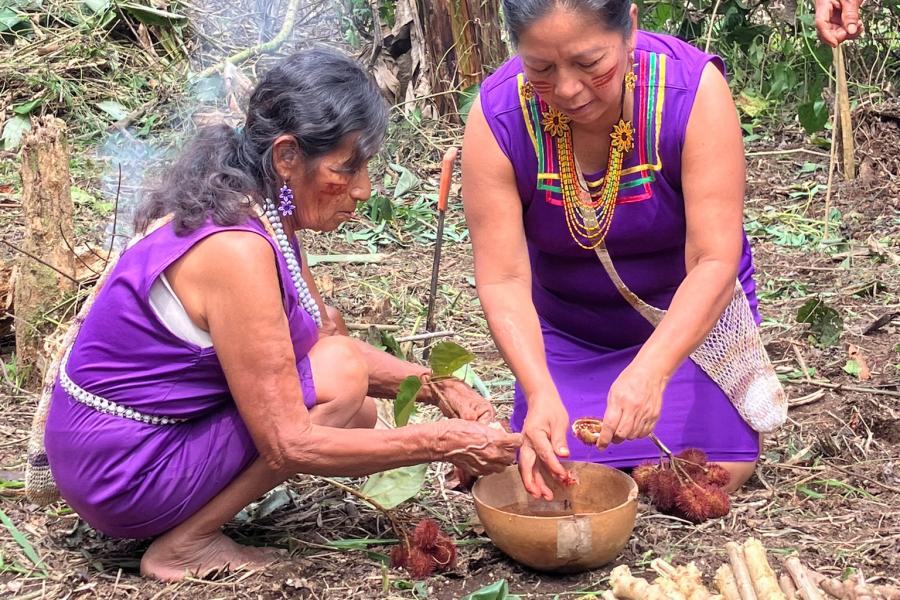
In this program, students will participate in an immersive interprofessional learning opportunity within the Amupakin collective, who hold traditional knowledge that has been handed down for generations.

The primary goals of this learning opportunity are to:

  • Recognize the impact of the history of colonization and current policies on the health of Indigenous peoples (in both global and local contexts).
  • Recognize the importance of cultural safety in providing health care within Indigenous communities.
  • Affirm students' ethical obligation to band together with interprofessional colleagues to provide culturally safe care for marginalized populations.
  • Appreciate how Indigenous ways of knowing and being can and should be integrated into our health and education systems.

Listen now: past students share their experience

Itinerary

Friday: Fly to Quito, Ecuador. Sitting at an altitude of 2,850 meters, consider our time here as an authentic learning opportunity on the impact of elevation on our bodies!

Saturday-Sunday: These days are for team building with our team and will include a mix of site-seeing and outdoor adventures.

Monday-Friday: We will stay at Amupakin near Archidona, Ecuador where we will be welcomed as family and will participate in workshops, tours, and activities that meaningfully showcase the community’s way of being. 

Our itinerary will be flexible and full and will include opportunities to learn about interacting with the rain forest, traditional plants and medicines, and traditional birthing. We will come together to visit their homes, swim in their favourite rivers, and hike to special places of spiritual importance.

Saturday: We will make our way back to Quito-but will stop at some volcanic hot springs along the way. We will leave Quito at night, arriving back to Winnipeg during the day on Sunday.

About Amupakin

Amupakin has been providing free traditional healthcare and midwifery services for their communities for many years. Despite their long history as trusted health providers in their community, they are still struggling to be recognized by the public health system of Ecuador. 

Some of their current struggles include fighting against the government’s efforts to discourage people from seeking traditional healthcare and the compulsory “training and certification” of Indigenous midwives—who have been practicing midwifery since childhood by assisting their mothers and grandmothers who in turned learned midwifery from their mothers and grandmothers.

How to apply

For February 13-22, 2026 travel

Deadline to apply: October 31, 2025

Apply now


For May 1-10, 2026 travel

Deadline to apply: November 23, 2025

Apply now

About the coordinator

Lisa Mendez is the collaborative healthcare practice lead in the Office of Interprofessional Collaboration and an instructor in the Department of Occupational Therapy. 

She first met the mamas of Amupakin in 2019 through the relationship that was built through the UM Community Engaged Learning program. She also coordinates the Ndinawemaaganag program, a community engaged learning opportunity within First Nation communities in Manitoba.

Student-led interprofessional neuro clinic (SLIC-neuro)

Overview

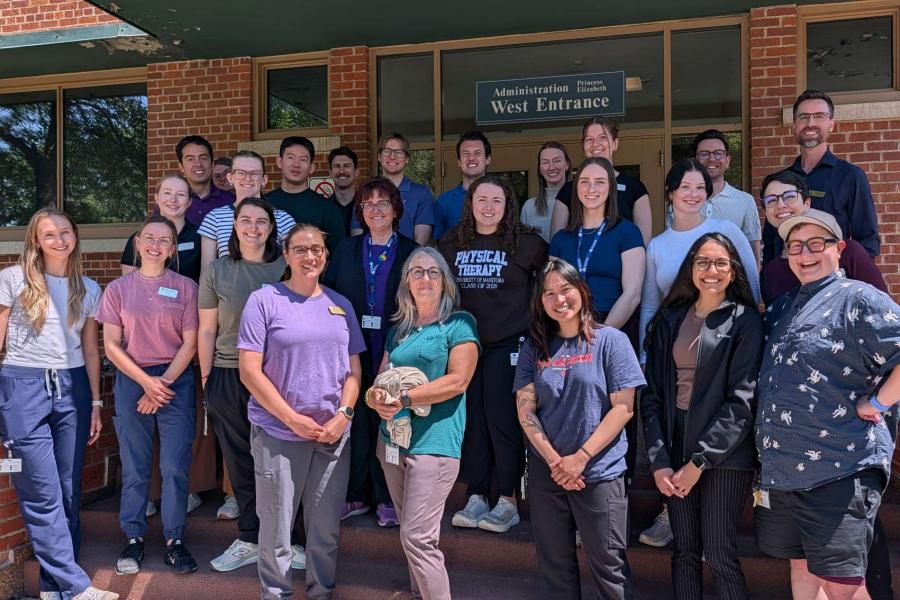
SLIC-neuro was originally established in 2003 as the “Neuro Rehab Clinic” to provide hands-on educational opportunities for Physical Therapy (PT) students in the field of neurological rehabilitation. In recent years, the clinic has expanded to include students from Occupational Therapy (OT), Respiratory Therapy (RT), Pharmacy and Nursing, fostering an interprofessional approach to care.

In 2024, the clinic was renamed SLIC-neuro (Student-led interprofessional neuro clinic) to better reflect its collaborative, team-based model of rehabilitation.

SLIC-neuro provides outpatient, community-based neurological rehabilitation, offering both in-person and tele-rehabilitation services to individuals living with neurological conditions.

The clinic operates annually during April, May and June at Riverview Health Centre (1 Morley Ave, Winnipeg, MB).

For students

If you are interested in participating in learning opportunities at SLIC-neuro, please contact your program’s clinical education coordinator.

For prospective patients and their support networks

SLIC-neuro offers goal-oriented, task-based, short-term intensive rehabilitation for Manitobans living with neurological conditions. Rehabilitation services are provided free of charge and may occur in person and/or through tele-rehabilitation.

Care at SLIC-neuro is delivered by students from the University of Manitoba’s Rady Faculty of Health Sciences, under the supervision of licensed healthcare practitioners. Students from Physical Therapy, Occupational Therapy, Nursing, Pharmacy, Respiratory Therapy and others may be involved in your care.

SLIC-neuro is open annually from April to June.

To be considered for participation, prospective patients must:

  • Have functional limitations related to a neurological condition
  • Be willing to actively participate
  • Be able to tolerate 2-3 hours of rehabilitation per week, for up to 12 weeks
  • Be able to arrange their own transportation to the in-person location at Riverview Health Centre (1 Morley Ave, Winnipeg MB) OR have internet access and an appropriate device to conduct video conference calls.

Due to high demand, applications are triaged based on several factors, including but not limited to student learning needs and the date of application.

Because we typically receive more applications than we have space for, applications are prioritized based on a number of factors including (but not limited to) student learning needs and the date of referral. To join our referral list, please email or call: SLIC@umanitoba.ca or (204) 221-0726.

Once you are on the list, we will contact you between February and May. If you are unsure of your eligibility, we encourage you to apply anyway – we will follow up during the same time period to confirm your eligibility.

Apply now

For healthcare providers

Please see the information in the above sections.

SLIC-neuro accepts referrals from any healthcare provider, as well as self-referrals from clients themselves or their support network.

Referrals can be made through our web form (click “Apply Now”), by telephone at (204) 221-0726, via email SLICneuro@umanitoba.ca, or by faxing a referral form to (204) 789-9237.

Apply now

Research

The Rady Chair in Interprofessional Collaborative Practice works within the OIPC. The Chair is focused on interprofessional collaborative practice research and scholarship and advancing knowledge that will improve the quality of patient care, patient safety, retention of health-human resources and delivery of cost efficiencies.

In addition to providing leadership in training, educating, and mentoring future leaders in interprofessional practice, the Chair builds upon collaborative relationships between educational and practice systems promoting excellence in patient care, quality and safety.

Scholarship in progress

Advancing Leadership Performance and Capacity for Interprofessional Teamwork and Integrated Primary Healthcare. Halas G, Singh J, Singer A, Udod S, Gagnon S, Nagel D, Penner J.

Virtual Visits and Management of Primary Care in a Pandemic Environment. Halas G, Singer A, Katz A, Labine L, Kirby S, Wong S, Abrams E, Bohm E.

Student projects

Care-seeking experiences of adults with substance use disorders. BScMed 2021. Bannash K, Halas G, Knight E.

Examining care pathways for individuals with substance use disorders: Using an integrated primary health care approach to bridge in-hospital consultation and primary care. BScMed 2021. Kingma G, Knight E, Halas G.

Integrated Primary Healthcare Pathways for Substance Use Disorder. Med II Summer Research 2021. Subedi P, Halas G, Knight E.

Contact us