
On this page

Overview

  • Our goals

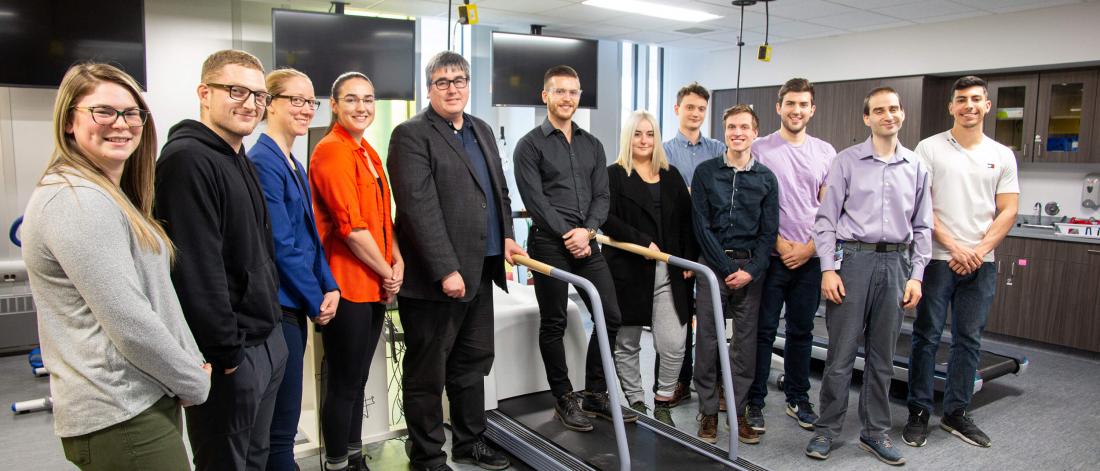
    Dr. Duhamel and the Chronic Disease Prevention and Physical Activty Lab use a variety of tools to identify new ways to detect poor signs of health and develop ways for people to restore their well-being. The lab works with those about to undergo heart surgery, people who have some level of frailty and others with elevated health risk profiles.

  • Key areas of research

    • Physical activity, sedentary and sleep behaviour patterns.
    • Muscle strength, aerobic fitness and frailty status.
    • Biomedical approaches to examining blood, stool and muscle samples for biomarkers
    • Disease state relationships
    • Cardiovascular risk profiles
    • Cardiovascular disease

Investigators

  • Todd Duhamel

    Primary investigator

    Dr. Todd Duhamel's research examines the role of physical activity for the prevention and treatment of patients with frailty and cardiovascular disease. Todd serves as the Associate Vice-President (Indigenous) – Research and Academic, University of Manitoba.

  • Students

    PhD students

    Msc students

Projects

WARM Hearts

Up to 50 per cent of women at risk of experiencing a heart attack are not aware of their poor cardiovascular health. The Women’s Advanced Risk Assessment Manitoba Study (WARM Hearts) tests new tools to help identify heart problems earlier, which may someday allow for the early detection of cardiovascular risks and interventions to help restore health.

PROTECT-CS clinical trial

Due to our aging population, 50 per cent of patients currently undergoing heart surgery are deemed to be frail, often leading to long recovery times, greater loss of independence and worse quality of life after surgery. The PROTECT-CS trial aims to determine if taking muscle-building nutrition supplements before heart surgery can enhance the recovery of older adults.

Evaluation of the Cardiac Rehabilitation Quality Indicators in Manitoba

Cardiovascular disease is a leading cause of mortality and morbidity in Canada. Working together with the Cardiac Rehabilitation Manitoba (CRM), a group comprised of cardiac rehabilitation program managers, physicians and stakeholders, this study seeks to evaluate the quality of cardiac rehabilitation in Manitoba and identify potential areas for improvement.

Enhancing recovery after cardiac surgery by engaging patients in research development

When a patient requires elective cardiac surgery, they are placed on a waiting list for up to 4 months. Patients who adopt healthier lifestyles during this time are more likely to recover well after surgery than patients who do not. This study is aimed at identifying barriers to patients enhancing their health while awaiting surgery in the hopes of developing strategies to aid patient recovery.