
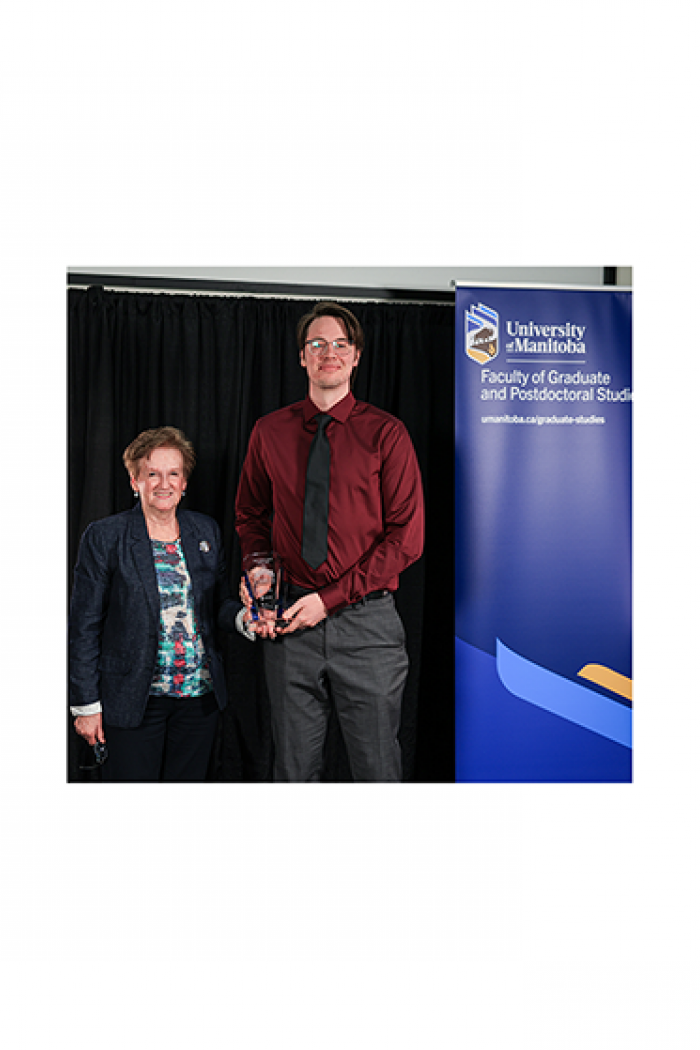

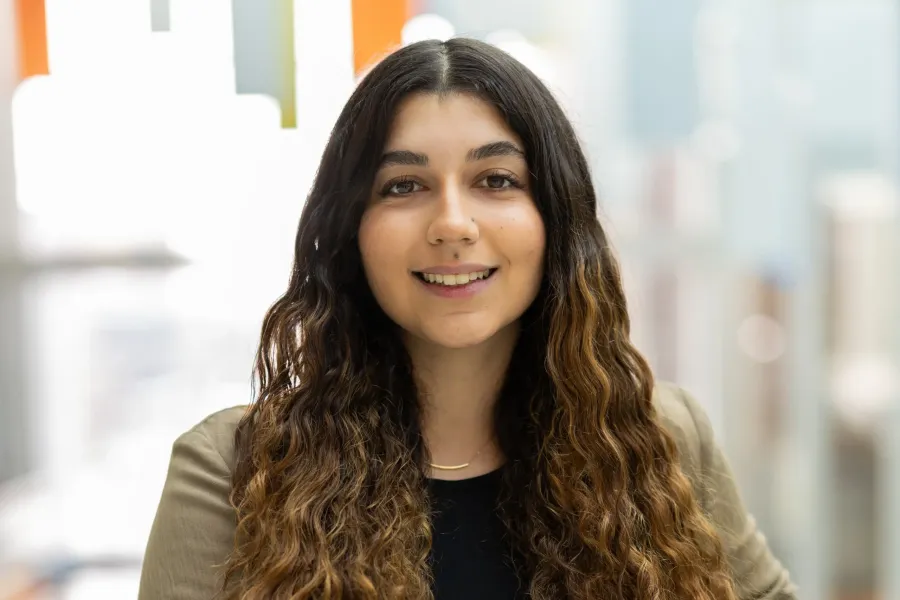
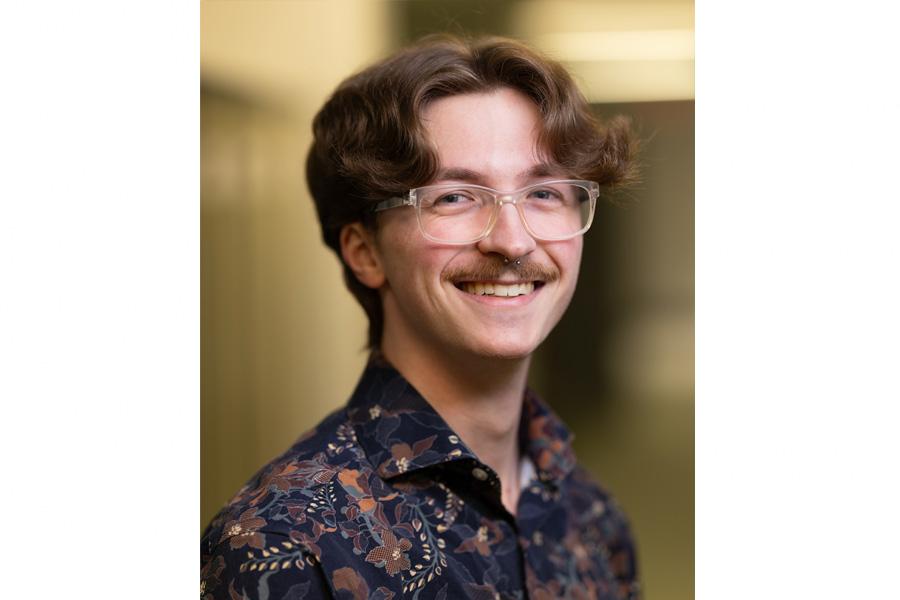
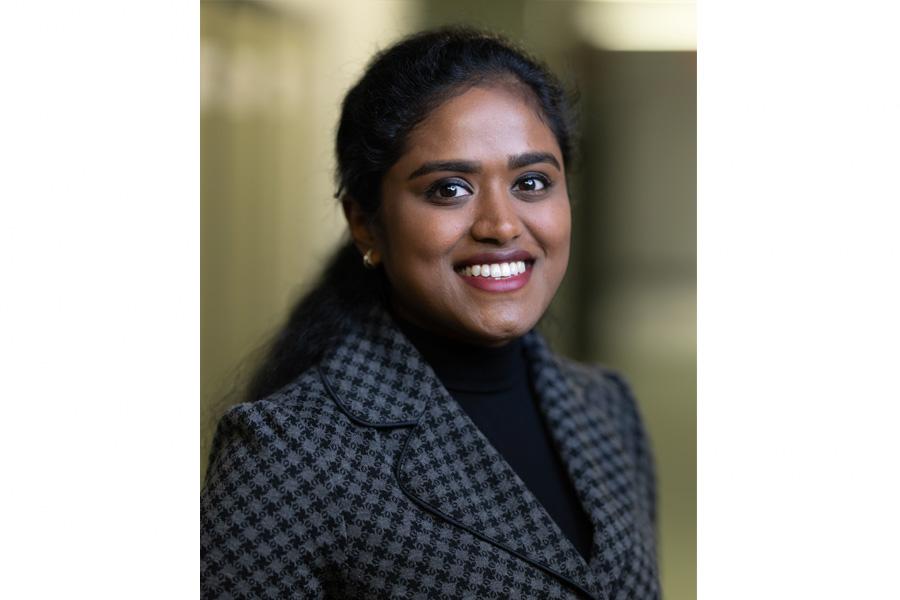
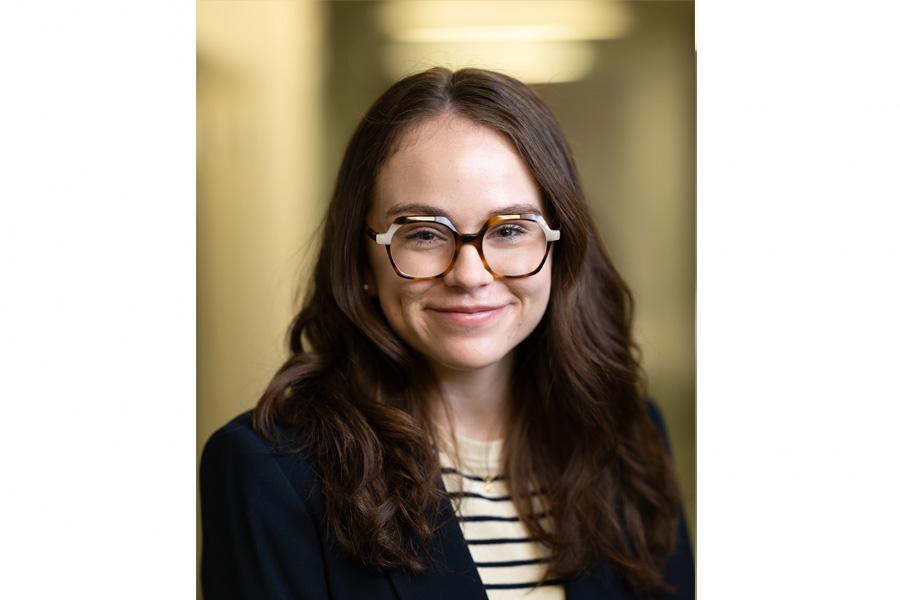

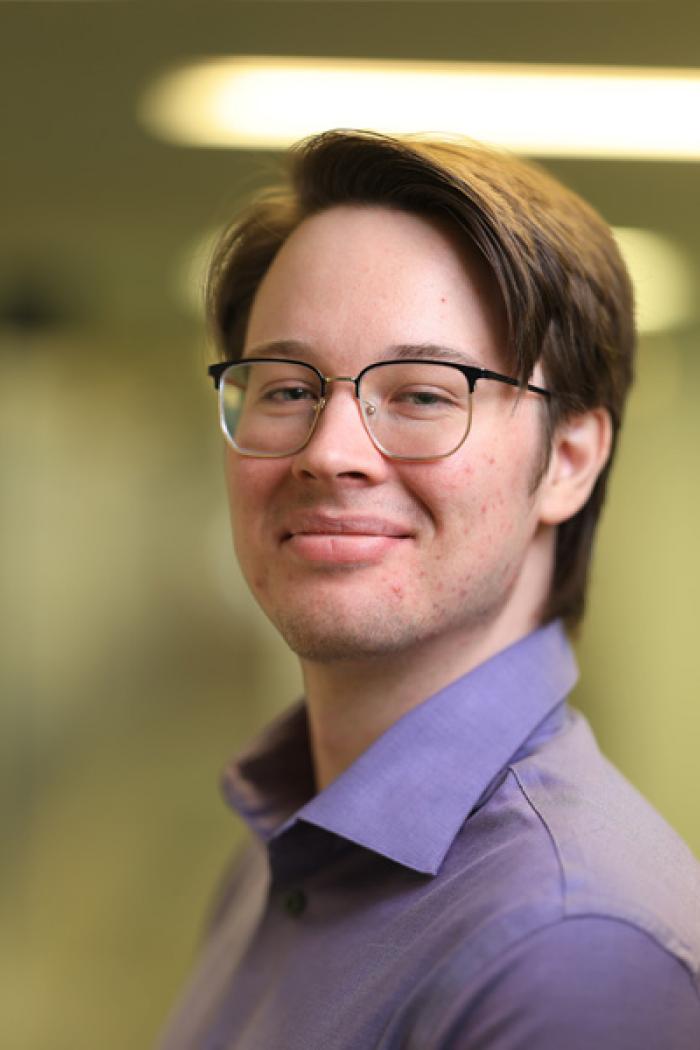
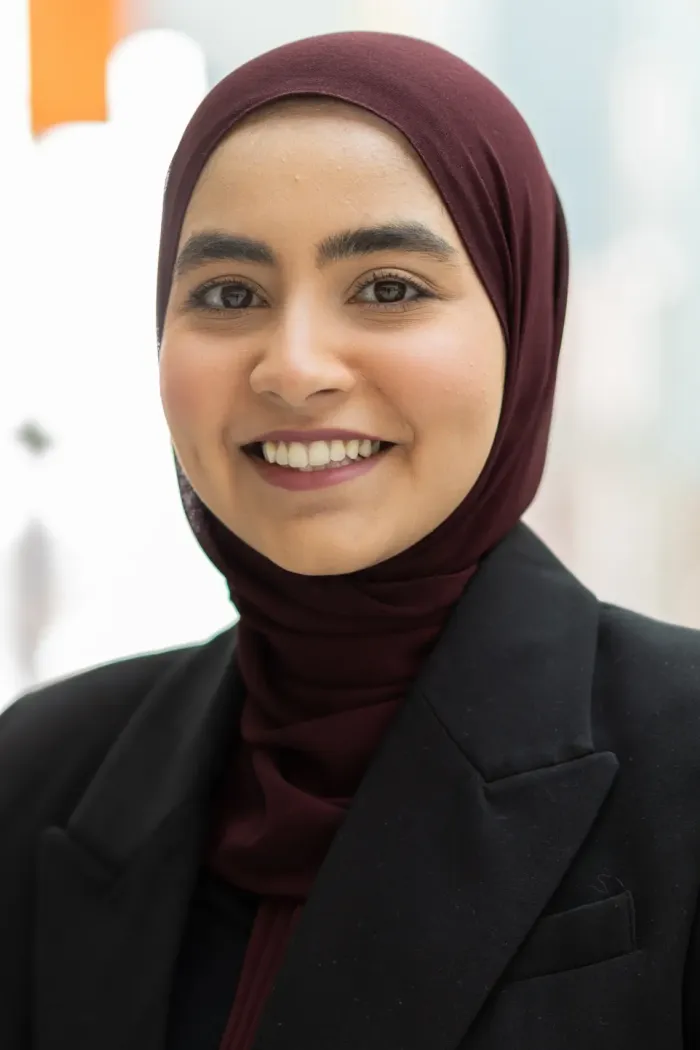
Cheer on UM's Quinton Murdock as he competes in the 2026 Western Regional 3MT competition on May 4, 2026.
Faculty of Graduate and Postdoctoral Studies
Three Minute Thesis (3MT®)
Big issues. New ideas. Three minutes.
Our graduate students are determined to meet today’s challenges with innovative solutions. Learn how their research will build a better world at Three Minute Thesis – UM's annual research communication competition.
At 3MT©, graduate students have just three minutes to present their research and its importance in plain language, using only a single slide to illustrate their topic. The competitors are judged on comprehension, engagement and ease of communication.
Applications open in December, with offers to compete sent to students in January. Heats will take place in March, with the final event in late March or early April.
The winner of the UM 3MT© final event will go on to represent UM at the Western Regional Final.
Three Minute Thesis (3MT®)
2026 Western Regional Competition
UM challenger advances to the Western Regional Competition
Click the link to watch the event live on May 4, 2026
2026 3MT Competition
Watch the 2026 3MT competition!
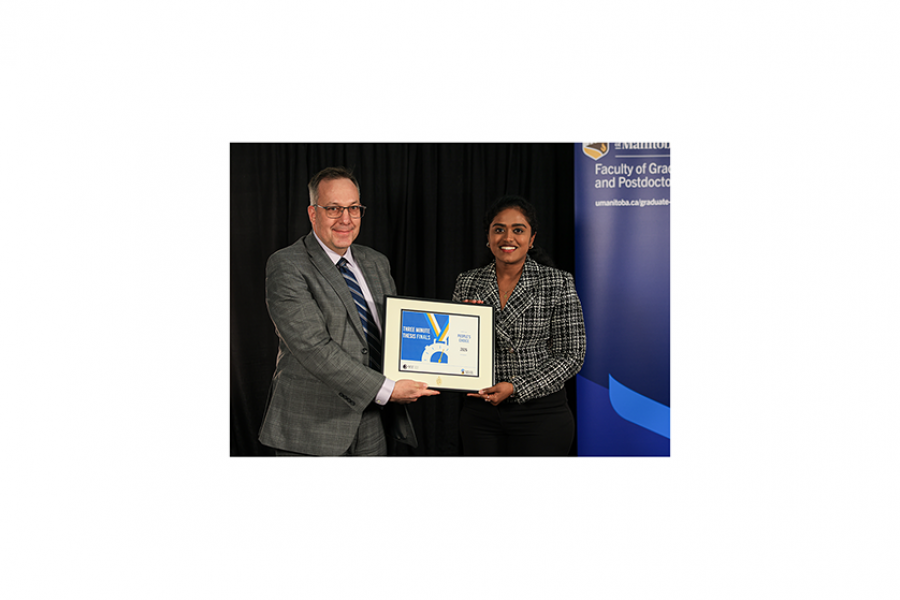
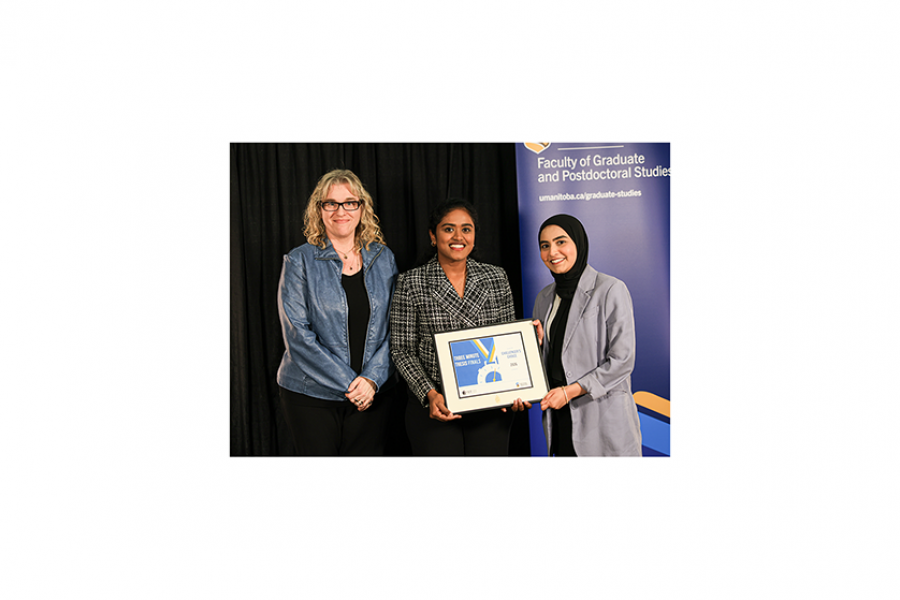
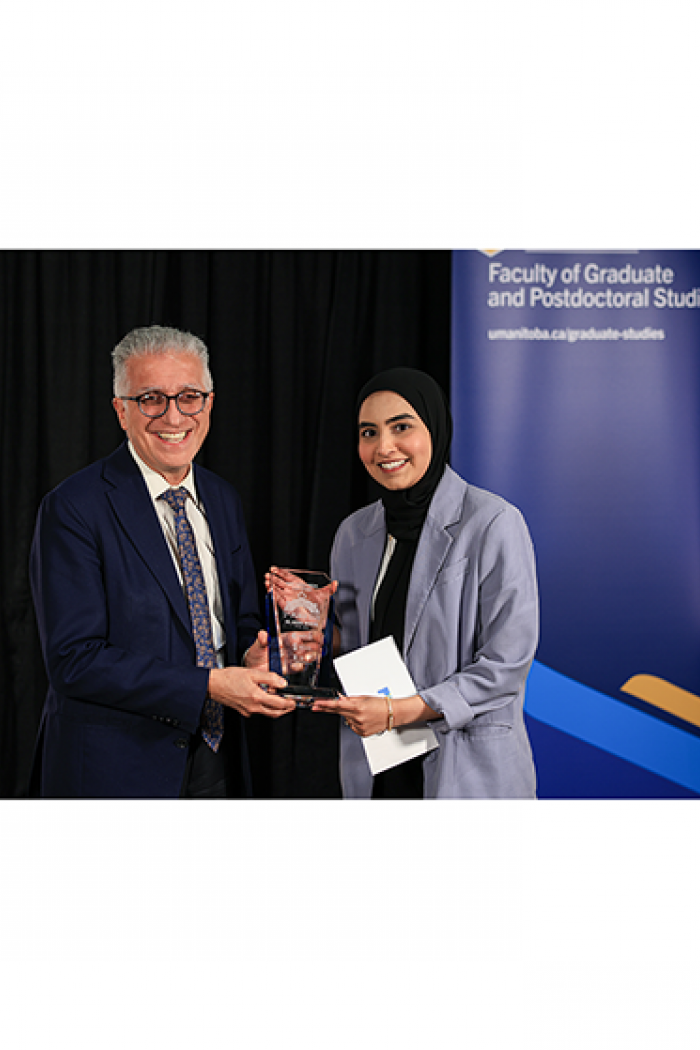
Meet the 2026 Winners
Meet the 2026 Finalists
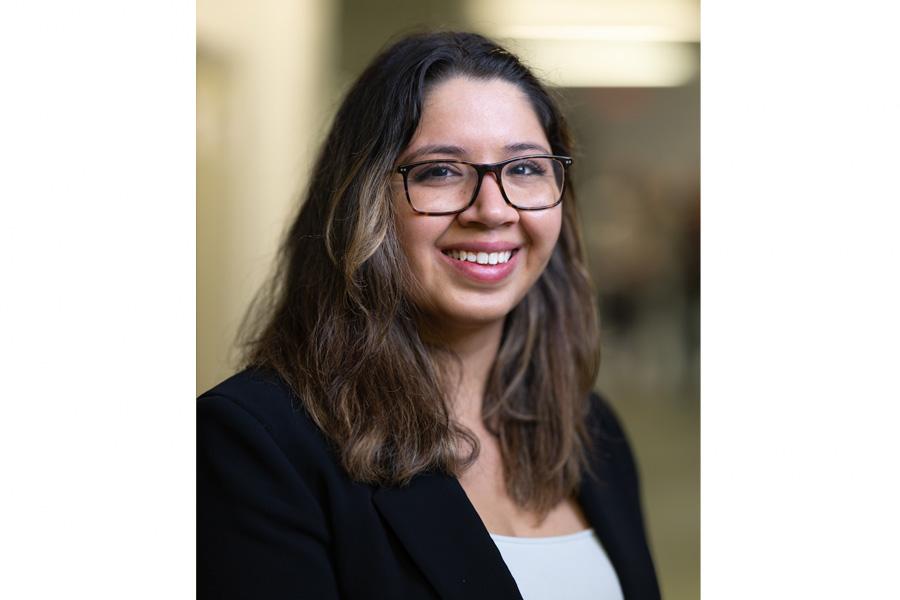
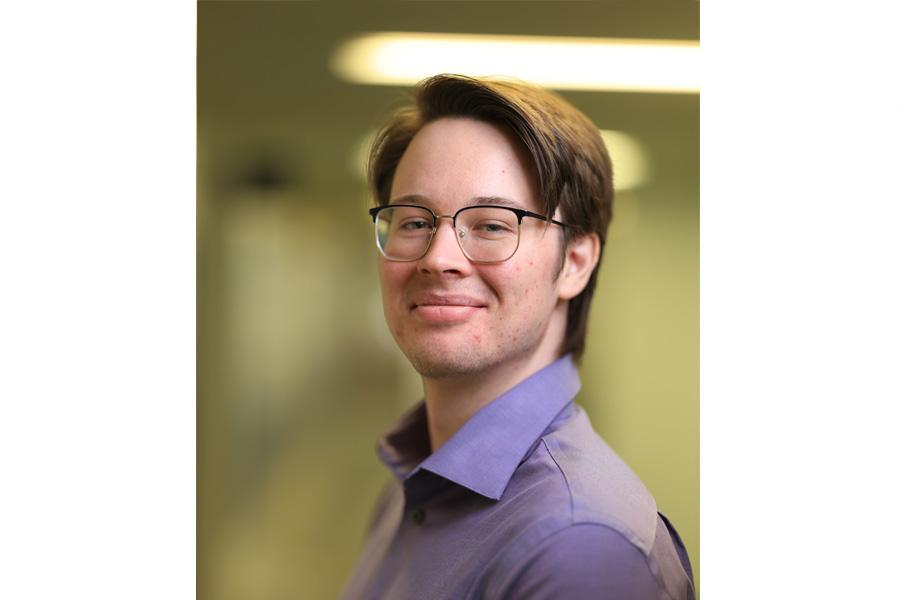
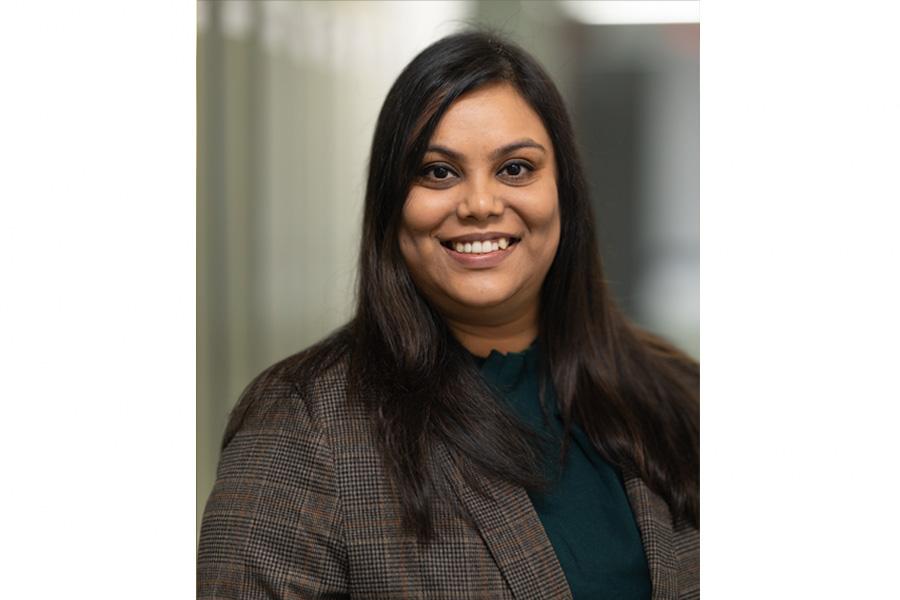
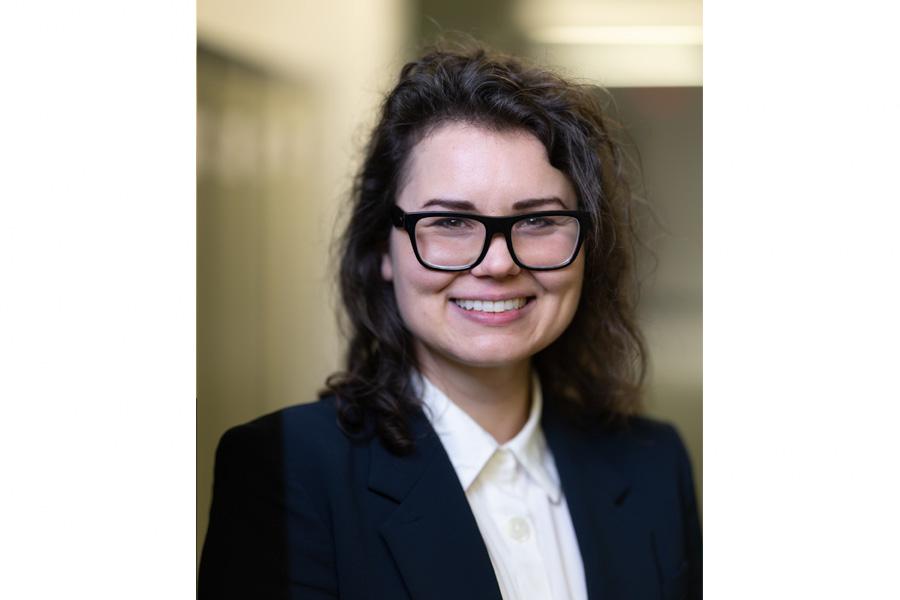
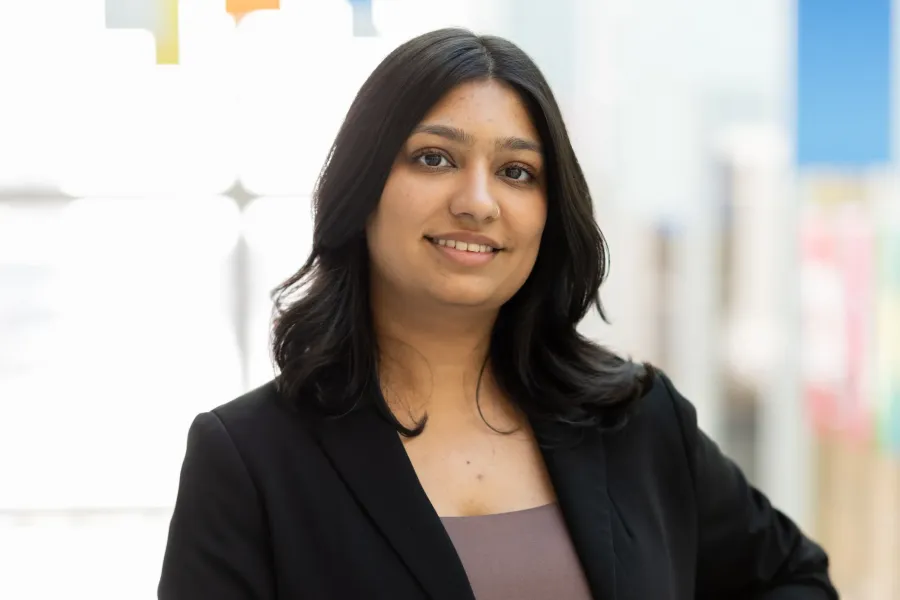
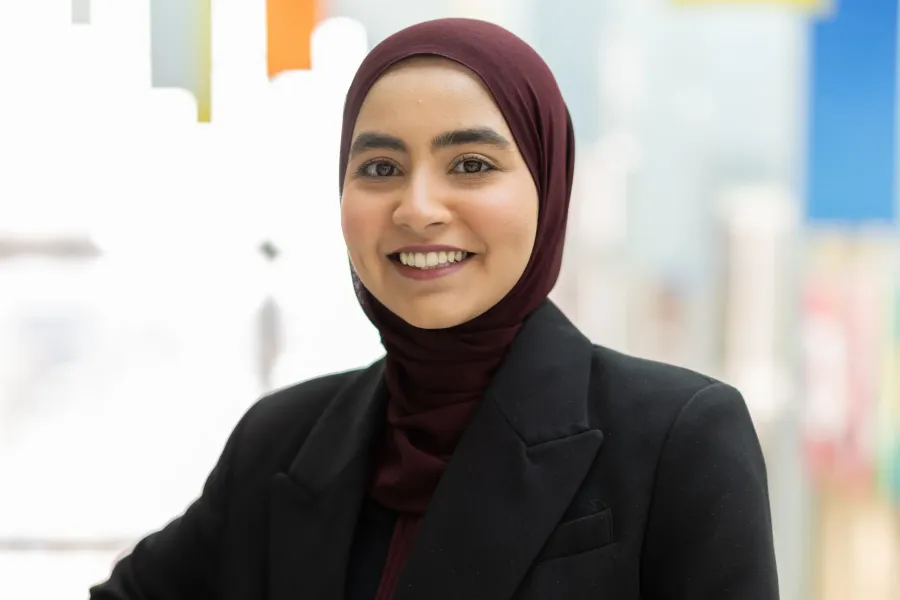
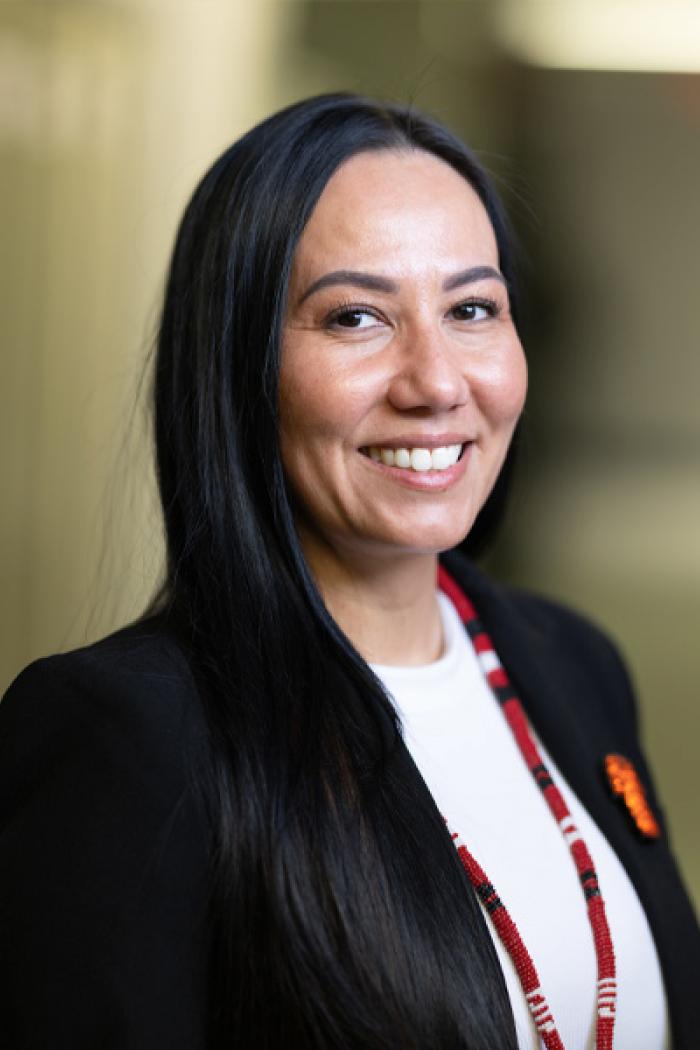
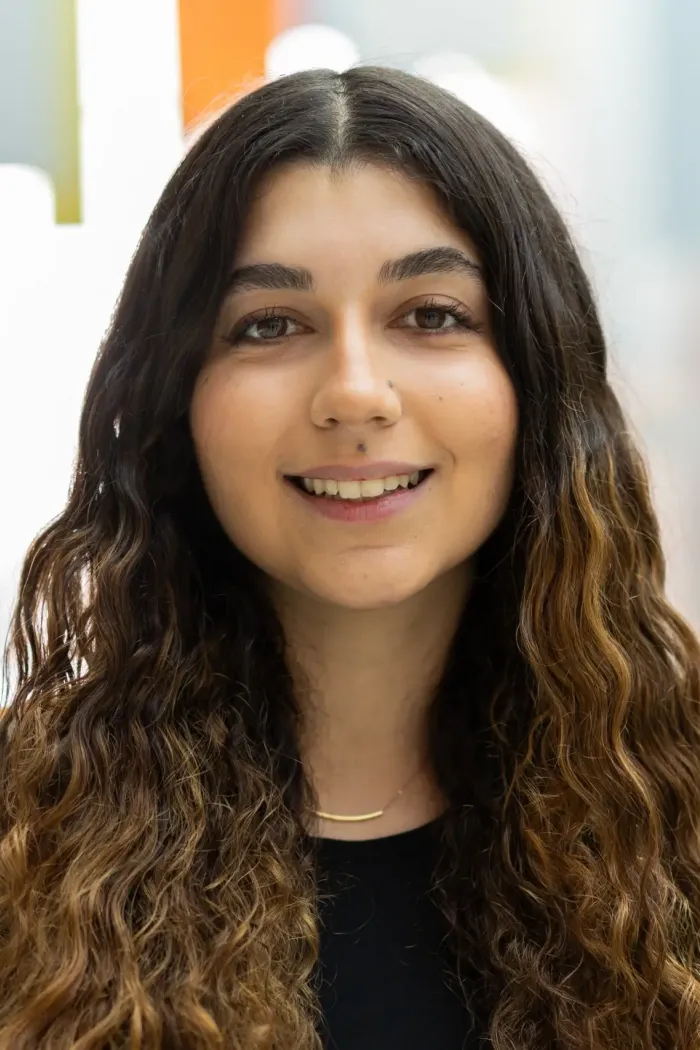
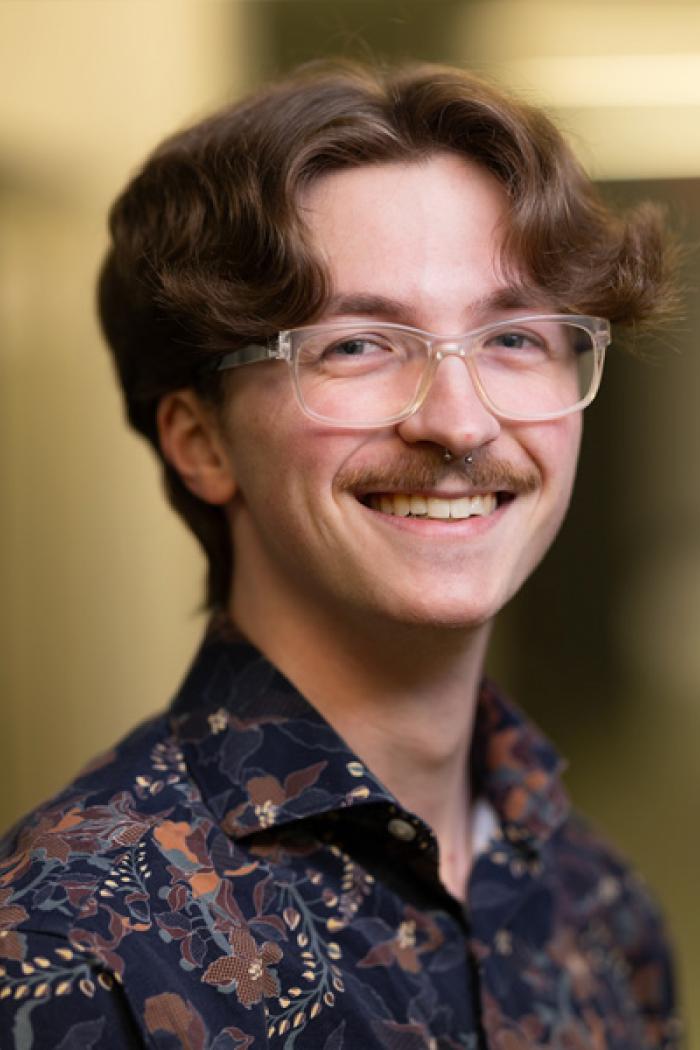
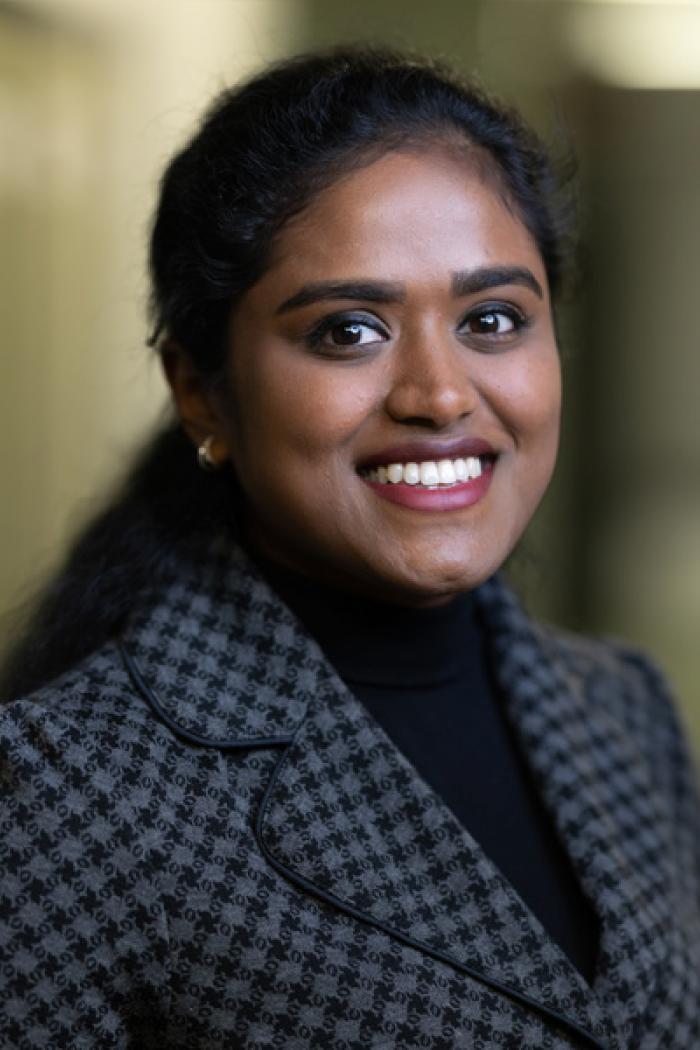
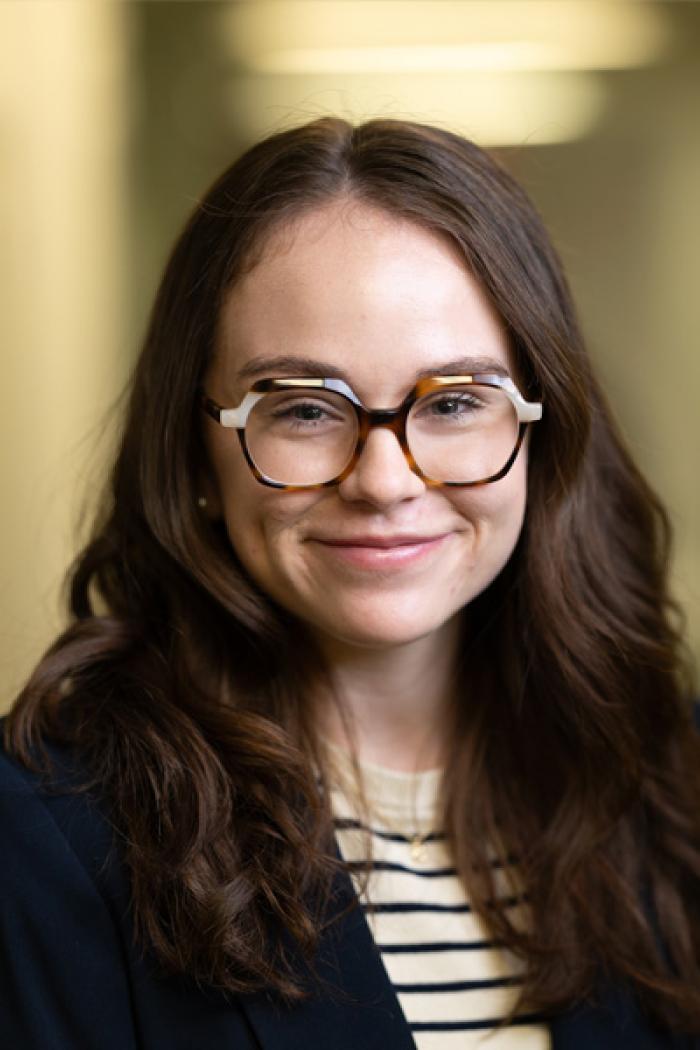
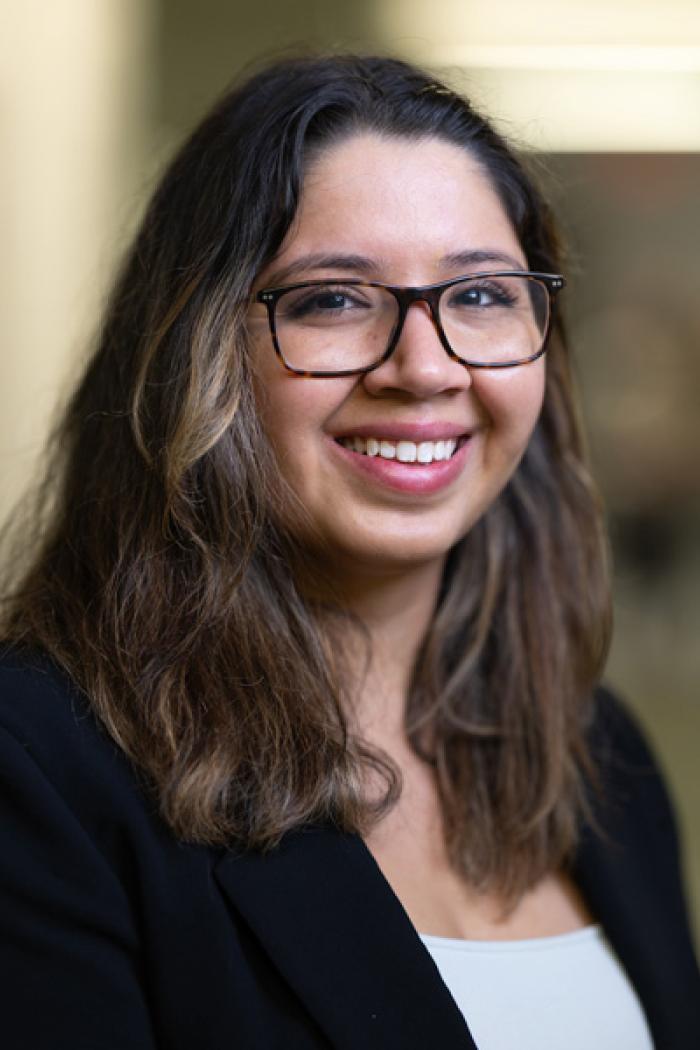
The 12 graduate students competing in the 2026 UM 3MT© finals.
Eligibility, Rules, Judging Criteria, Consent Forms
Eligibility
- Three Minute Thesis is open to all full time University of Manitoba graduate students in thesis-based programs.
- Presentations must be based on the primary research the student has conducted in their graduate program.
- Students who have already defended their thesis but have not yet graduated are eligible. Students must not have graduated (convocated) prior to the date of the competition final.
- Students with uncompleted projects are eligible.
- Students in course-based programs, visiting students, exchange students and students on leave are not eligible.
- Students must agree to be photographed and videotaped and allow any recordings to be made public.
Rules
- A single static PowerPoint slide is permitted, to be shown from the beginning of the presentation. No slide transitions, animations or "movement" of any kind are allowed. The slide must have minimum 0.5" margins for key information.
- No additional electronic media (e.g., sound and video files, laser pointers) are permitted
- No note cards or additional props (e.g., costumes, musical instruments, laboratory equipment) are permitted.
- Presentations are limited to three minutes maximum, and challengers exceeding three minutes are disqualified.
- Presentations are to be spoken word (e.g., no poems, raps or songs).
- Presentations are to start from and remain on the stage.
- Presentations are considered to have begun when a presenter starts their presentation through movement or speech.
- Presentations must be based on research directly related to the student’s current graduate program thesis. Research performed for employment should not be presented. Research completed as part of a prior degree should not be presented as current work.
- A three-minute clock/timer will be made visible for the students during their presentations.
- For any images, photos or diagrams used on the slide, if not created by the presenter, the presenter must ensure the source is credited and the use is allowable by the copyright owner. When in doubt that written permission is needed, contact the UM Copyright Office for guidance.
- The use of generative artificial intelligence (AI) tools to create or significantly modify text, images, audio or video for the presentation, slide or recording of presentations is not permitted.
- Other uses of generative artificial intelligence (AI) tools including, but not limited to, idea generation or minor grammar refinements should be disclosed by naming tool used and generating prompt.
- The decision of the adjudicating panel is final.
Judging criteria
At every level of the competition, each challenger will be judged on the three categories of criteria listed below.
1. Comprehension: Did the presentation help the audience understand the research?
- Did the presenter clearly outline the nature and goals of their research?
- Did the presenter clearly communicate the significance of their research?
- Did the presentation follow a logical sequence?
- Did the presentation help you to understand the research being done?
2. Engagement: Did the presentation make the audience want to know more?
- Was the presenter careful not to trivialize or "dumb down" their research?
- Did the presenter convey enthusiasm for their work?
- Did the presenter capture and maintain their audience's attention?
- Do I want to know more about the speaker's research?
- Did the PowerPoint slide enhance the presentation? Was it clear, legible and concise?
3. Communication style: Was the thesis topic and its significance communicated in language appropriate to a non-specialist audience?
- Did the speaker use sufficient eye contact and vocal range, maintain a steady pace, and appear confident? Did the speaker avoid scientific jargon, explain terminology that was used, and provide adequate background information to illustrate points?
- Did the presenter spend the right amount of time on each element of their presentation, or did they elaborate for too long or were rushed?
- Did the PowerPoint slide enhance, rather than detract from, their presentation? Was it clear, legible, and concise?
Prizes
| Prize | Amount |
|---|---|
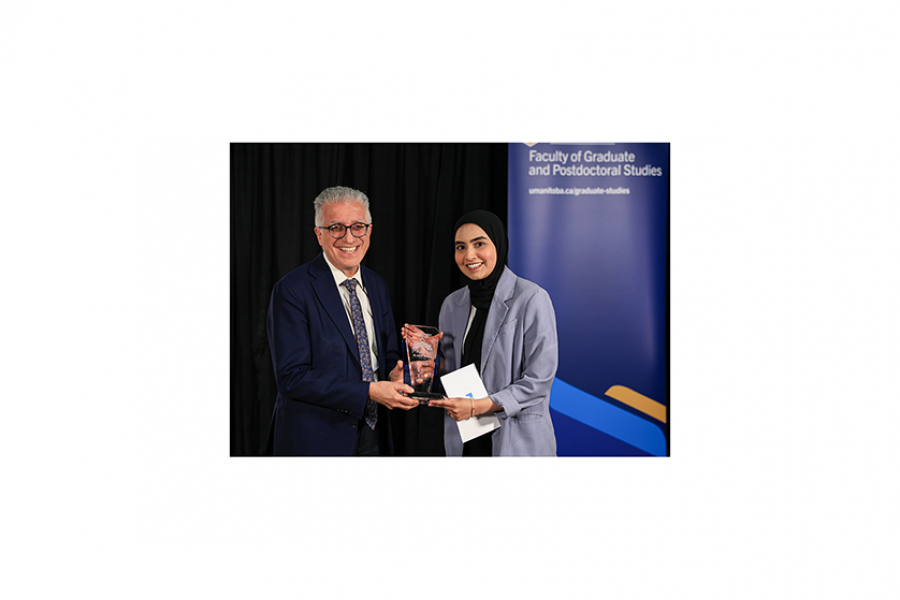
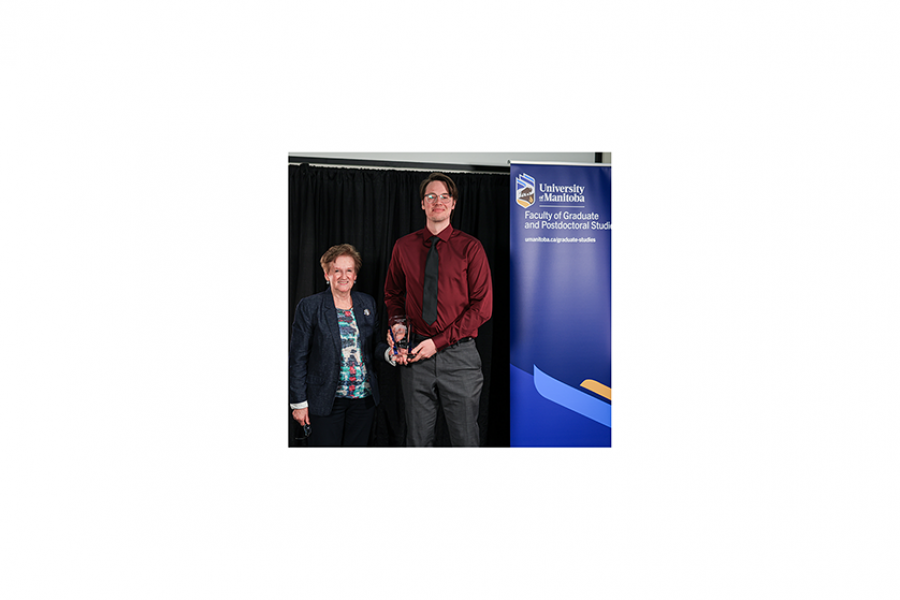
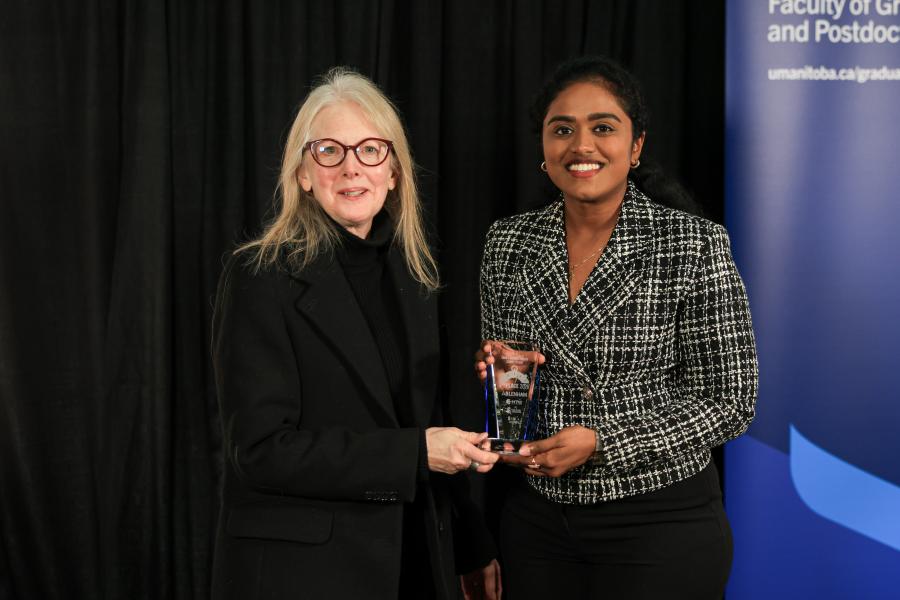
Dr. Archie McNicol Prize for first place This prize recognizes the legacy of the late Dr. Archie McNicol who was an enthusiastic supporter of graduate students and the Three Minute Thesis competition. | $2,000 |
| UM Retirees Association Prize for second place | $1,250 |
| Blenham + Associates Prize for third place | $500 |
| People's Choice Award | $200 |
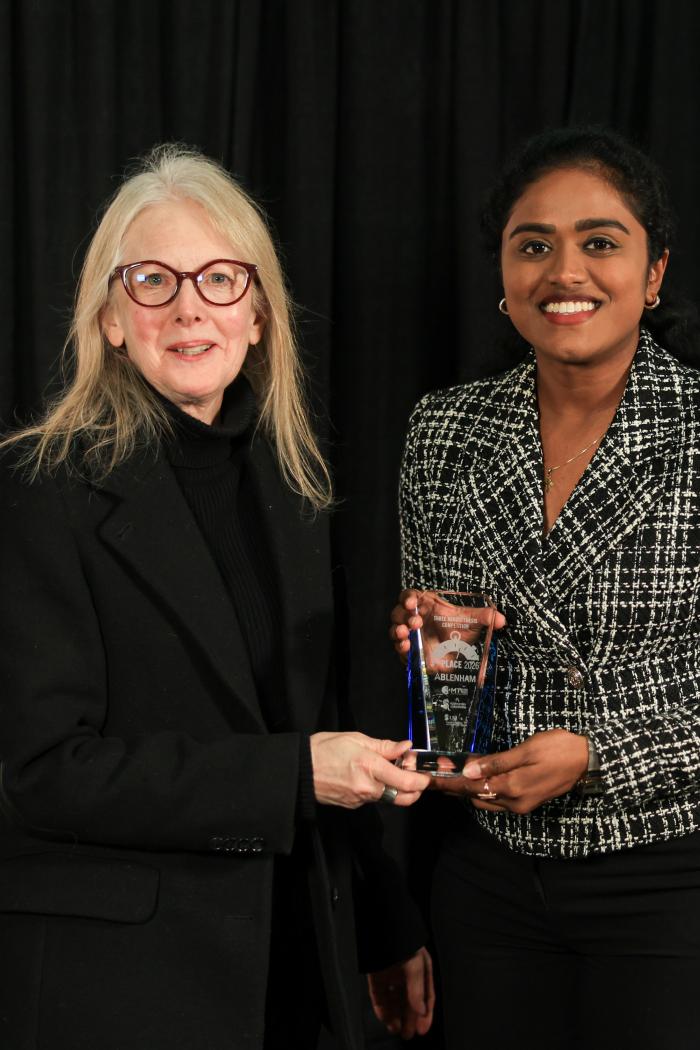
| New for 2025 Challengers Choice Award | $200 Bookstore Giftcard |
Heat and Wildcard winners
The top three winners from each heat will receive a $200 each and three wildcard selections will receive $100 each.
Meet the Challengers and Winners
-
Make the most of your three minutes
Learn tips about the pre-production and performance phases of 3MT in Simon Clews' paper, Making The Most of Your Three Minutes - 3MT: The Three Minute Thesis.
-
Sharpen your communication style
Check out slides from Inger Mewburn, PhD, of the Royal Melbourne Institute of Technology for tips that will help you keep energy and pizzazz in your 3MT.
A brief history of 3MT
-
Three Minute Thesis is a research communication competition developed by the University of Queensland, Australia. There were 160 students in the first 3MT competition at the University of Queensland in 2008. Enthusiasm for the 3MT grew into a Trans-Tasman international competition involving 33 universities in Australia, New Zealand, and Fiji in 2010.
By 2011, the Trans-Tasman 3MT competition included 43 universities and, for the first time, regional 3MT events were held in the United States, the United Kingdom, Canada, and Hong Kong. It later spread to other universities in Asia. Currently, 3MT is held in over 900 Universities in more than 85 countries!
-
The first 3MT®competition held in Canada took place at the University of British Columbia in 2011. UM hosted their first competition in 2013. In 2014 the first national 3MT®competition was held. Today, there are dozens of Canadian universities and research institutes that host annual competitions, with winners moving onto one of three regional competitions (Western, Ontario, Eastern) before competing in the nation-wide competition, Canada’s 3MT®.
-
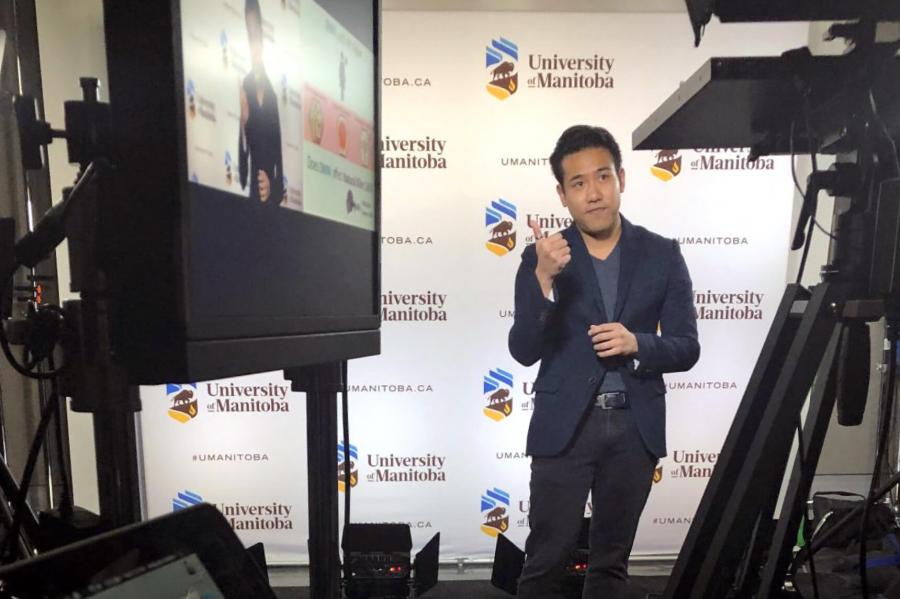
UM master’s student Toby Le (Max Rady College of Medicine) gives his presentation in front of a video camera in June 2020, on his way to winning first place in the University of Manitoba 3MT final. This year's event was livestreamed to an at-home audience because of the COVID-19 pandemic.
Past winners
2025
First place: Hannah Zhang
Second place: Megan Crooks
Third place: Taylor Orchard
People's Choice: Madhushani Ariyadasa
2024
First place: Anam Ara
Second place: Sara Crooks
Third place: Ruwani Wimalasekara
People's Choice: Samuel Lawal
2023
2022
2021
2020
UM 3MT winners
First place: Toby Le
Second place: Shanelle Gingras
Third place: Sarah Bohunicky
People’s Choice: Toby Le
- 2020 3MT finalists and challengers
- Watch the winners' YouTube videos (2020)
- Watch the 2020 Final Competition here (2020)
- Watch UM challenger Toby Le at the Western Regional Final (2020)
Western Regional Competition
2019
UM 3MT winners
- First place: Kevin Boreskie
- Second place: Justine Hudson
- Third place: Avery Simundsson
- People’s Choice: Kashfia Shafiq
- View the 3MT 2019 videos
National 3MT competition
Previous years
2018 Winners
- First place: Shervin Khalili Ghomi
- Second place: Kyla Smith
- Third place: Carmine Slipski
- People’s Choice: Jill Bueddefeld
- View the 3MT 2018 videos
2017 Winners
- First place and People’s Choice: Rachel Nickel
- Second place: Alexandra Ciapala
- Third place: Colin Graydon
- View the 3MT 2017 videos
2016 Winners
- First place: Karlee Dyck
- Second place: Anjali Bhagirath
- Third place: Paul White
- View the 3MT 2016 videos
2015 Winners
- First place: Rebecca (DeLong) Dielschneider
- Second place: Diego Rodriguez Herrera
- People's Choice: Rebecca (DeLong) Dielschneider
- View the 3MT 2015 videos
2014 Winners
- First place: Andrea Edel
- Second place: Olivia Sylvester
- People's Choice: Havva Filiz Koksel
- View the 3MT 2014 videos
2013 Winners
- First place: Leah (Wong) Guenther
- Second place: Anthony Signore
- People's Choice: Christopher White
- View the 3MT 2013 videos
Past winners from other institutions
- Sophie Shah, University of Calgary
First place 2020 - Dennis Riley Louie, University of British Columbia
First place 2020 - Alex Kjorven, Ryerson University
First place 2019 - Andrew Robertson, University of British Columbia
First place and People's Choice 2018 - John Paul Cauchi, QUT Faculty of Health
First place 2018 - Lama Al Faseeh, Ryerson University
First place 2018
Contact us
Contact Us
Student and support staff contact
Graduate communications