
Maggie Medock
Advisor: Shawn Bailey
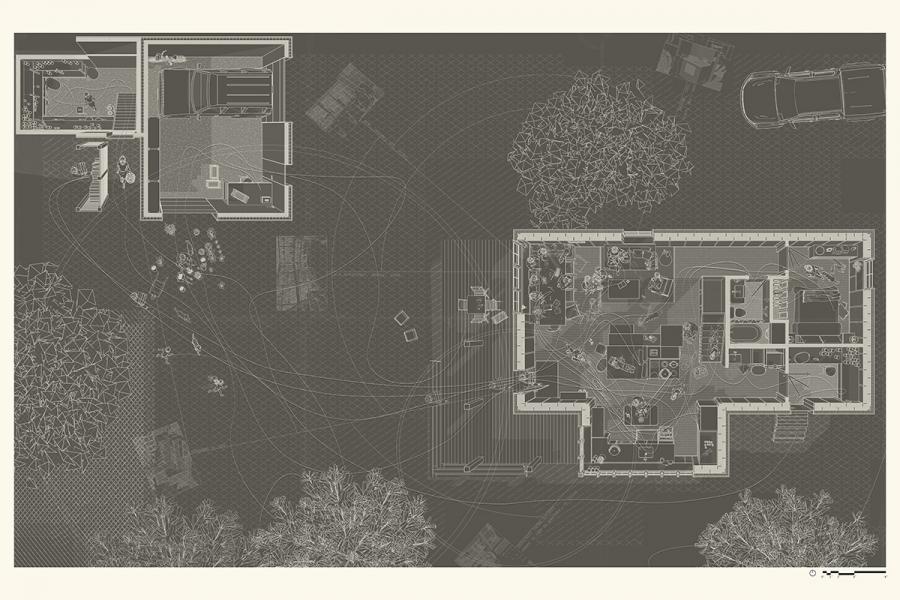
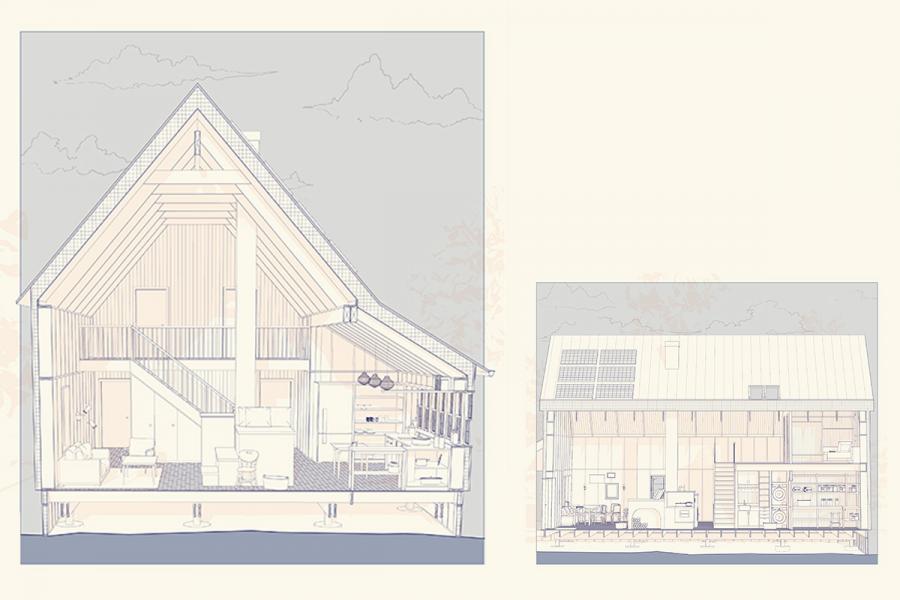
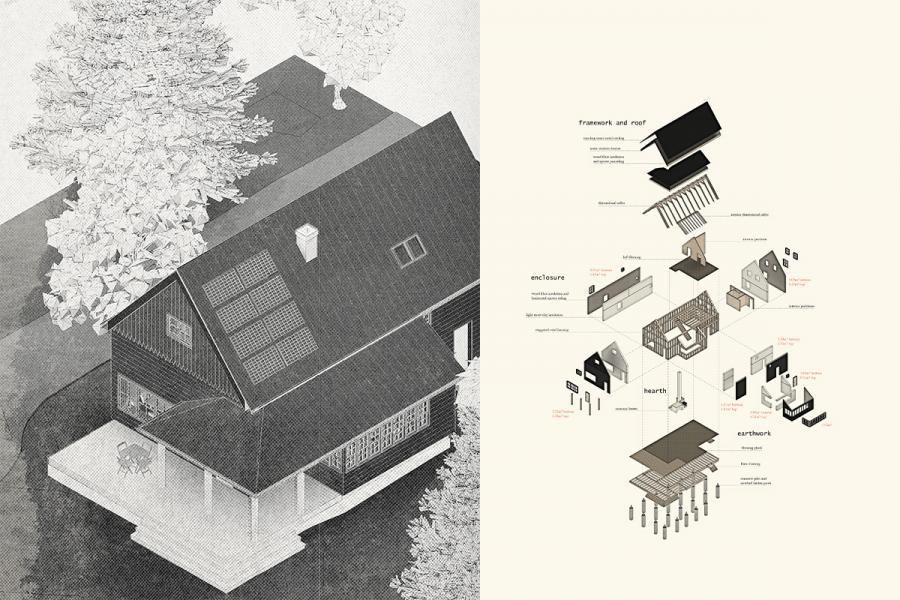
Between Hand and Home: Reframing Values of Craft in Domestic Living
We live in a time where modern progress is characterized by the desire to reach perfection and permanence, guided by the machine age of industrialism, where certainty, order, and resource maximization have established our separation and power over the natural world.
Our current world views support the desire for immortality where under this value system, the importance of craft has receded in the age of technology and automation.1 Progress can generally be defined as, “advancing or developing toward a better, more complete, or modern state.”2 This definition can be challenged by suggesting that we have inadvertently created a paradox of progress through the consumerist framework, where our constant demand for material gain and endless growth has led to a decline in not only the worlds resources, but in purpose once supported by the principles of craft.
Developer led housing has eliminated all risk from design and workmanship, valuing speed, standardization, specificity, and maintenance free design. It strives to remove all diversity in material and lived experience, leaving behind no trace of life or origin, resulting in homes that credit appearance and convenience over memory and material integrity.
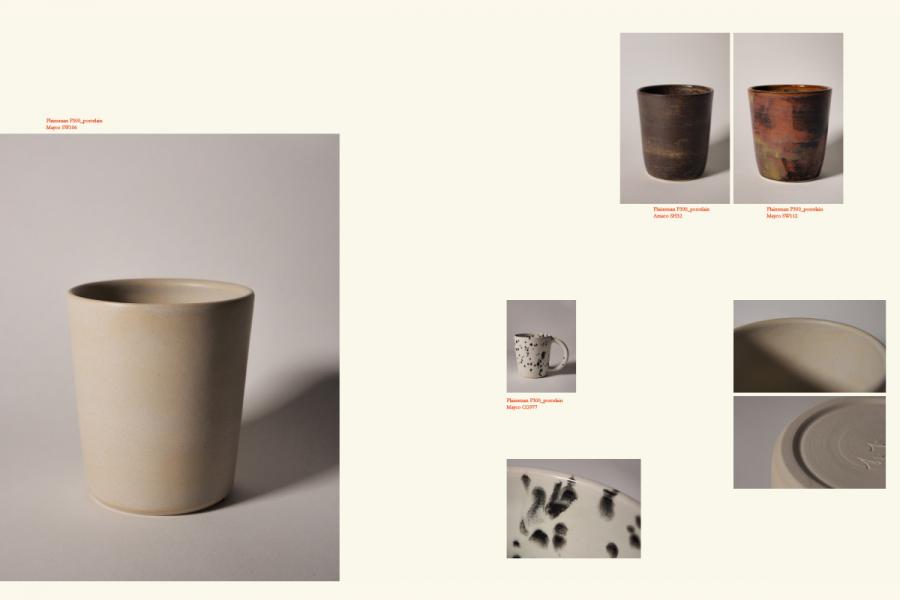
Craft offers a relief of perfection through aging, diversity, and approximation, all of which result in qualities reflected in the natural order. This thesis proposes that embracing craft as an architectural principle can redefine the cultural values that are the foundation of our current housing model.
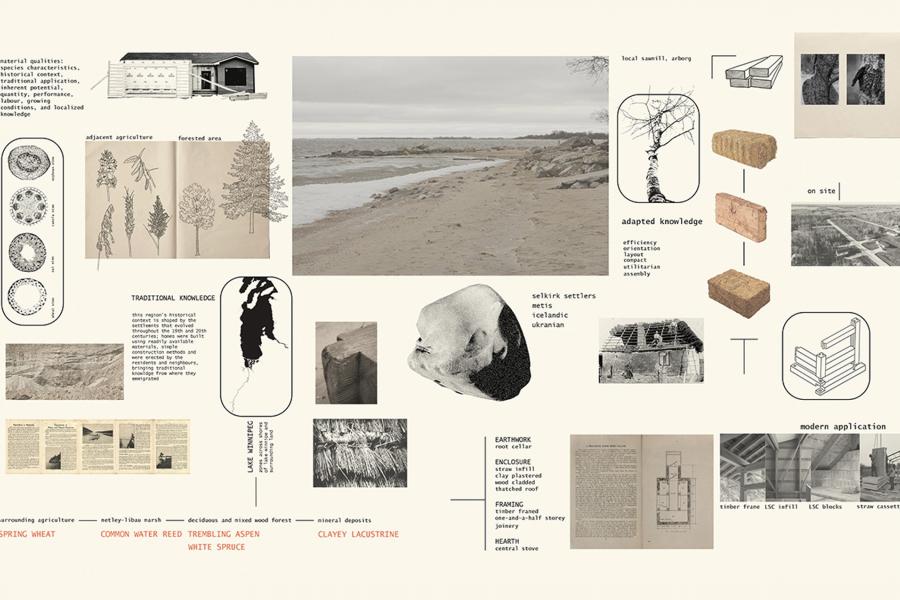
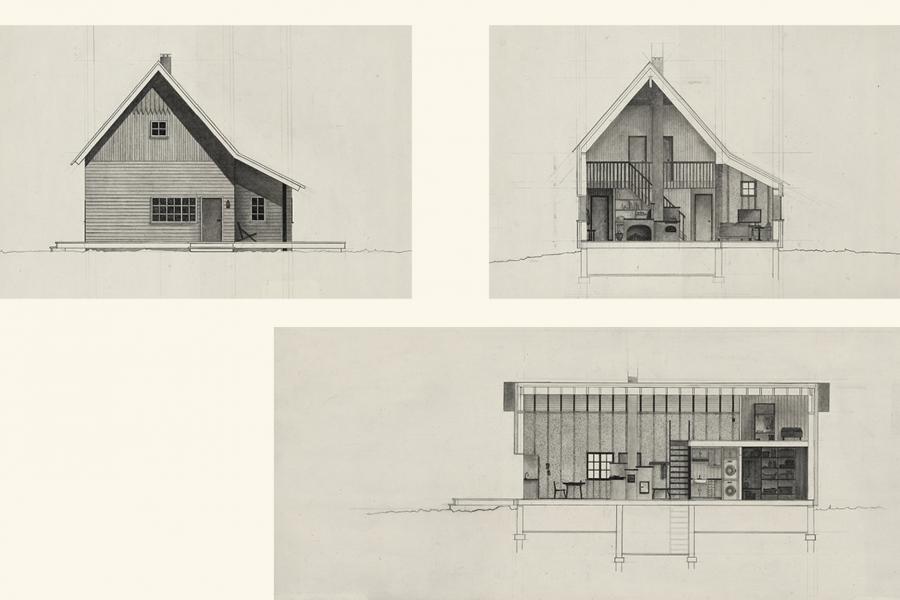
It acknowledges the teachings of past and present and explores ways in which the assets of both can be leveraged to create a new hybrid housing framework, combining both tectonic and spatial qualities of risk and certainty. It attempts to move beyond merely a redirection of consumption, where these values can become the underlying factors driving design and workmanship.
1 Jean Baudrillard, “The Illusion of the End,” Stanford, Calif: Stanford University Press, 1994, p. 101.
2 “Progress,” Oxford Languages, accessed October 23, 2025, https://www.oed.com/dictionary/progress_n?