
The sun setting behind a mountain.

What is Experiential Learning?

  • Experiential learning is a pedagogical strategy that advances learning, personal growth and competency development by engaging students directly in the application of theoretical concepts in practice and reflecting critically on those experiences.

    At its best, experiential learning is intentional, reflective, and transformative, and promotes deep engagement with theory through relevant hands-on activities or immersion in a complex learning environment.

    Since the university’s founding, experiential learning has provided opportunities for students to apply their learning in a range of diverse contexts, and to develop the knowledge, skills and dispositions critical to life, work and global citizenship.
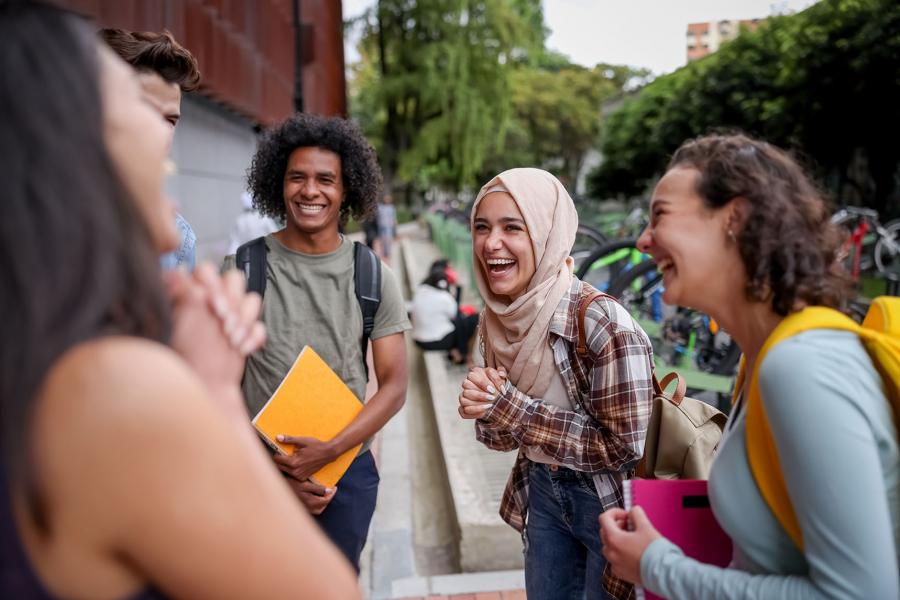
  • Diverse group of students laughing outside of a building.

Who are we?

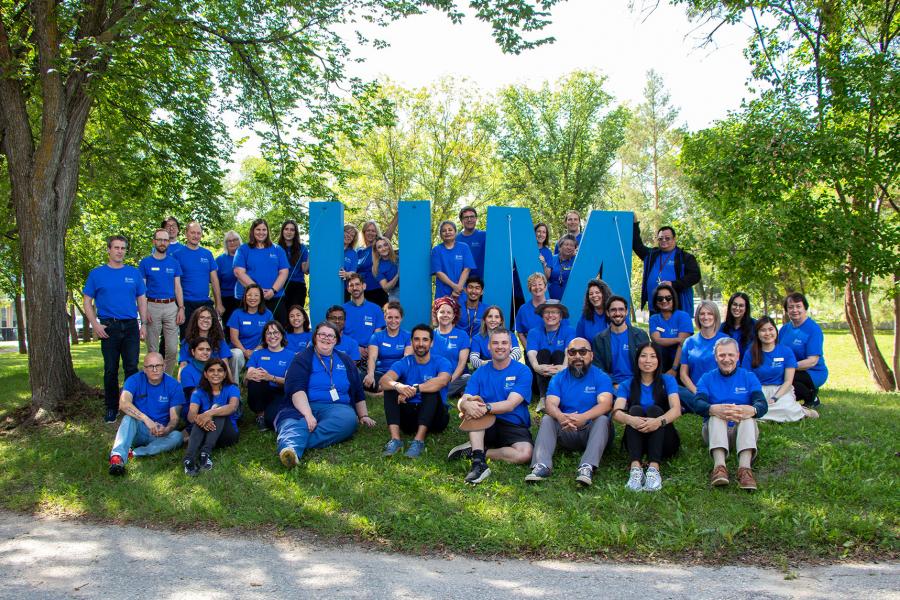
  • The Centre Staff 2025
  • We believe experiential learning empowers both students and educators to think creatively, act with purpose, and engage meaningfully across a variety of contexts, not just in the classroom. It encourages us to see the potential in diverse experiences and to build relationships rooted in mutual respect. At its core, experiential learning values the lived experiences of students and invites educators to engage with them as partners in a shared journey of growth and discovery.

What we do

    • Support faculty and instructors in the development and deepening of experiential learning activities in courses and programs.
    • Act as a coordination point for sharing of high-impact experiential learning practices and resources across all faculties.
    • Work with colleagues to incorporate Indigenous pedagogies and inclusive practices within experiential opportunities.
    • Support measurement of the impact of experiential learning projects and activities, and gather data and stories about experiential learning at the university.
    • Champion a culture of best practices and innovation within experiential education through collaboration within the University and with colleagues across Canada.
  • A group of people working on a group project at a wooden table.

How Experiential Learning is built into courses and programs

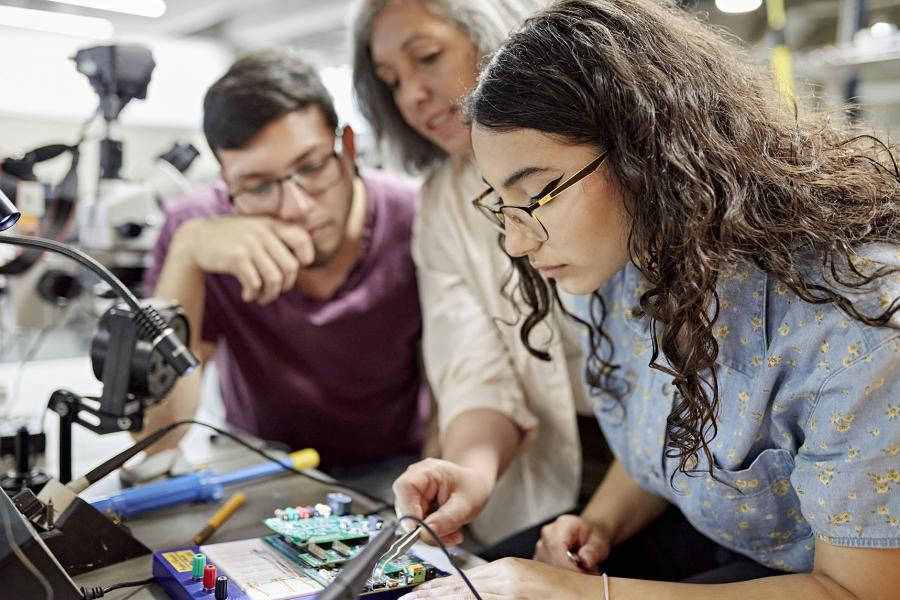
  • Students building a computer component.
  • As a concept, experiential learning has been around since the 1970’s and many definitions have been created to explain it. Regardless of how it is defined, the core intuition behind experiential learning pedagogy is the belief that students learn better and develop more fully when they are actively engaged in the process of applying theories and concepts in real-world contexts. In practice, this intuition translates to a variety of teaching strategies that go beyond the passive use of lecturing as one’s main instructional method. There is no one-size-fits-all approach to experiential learning. Instead, experiential learning encompasses a flexible spectrum of teaching strategies and activities that can be incorporated into any course, regardless of its subject, class size, or setting. Some common examples include case studies, interviews, role-play, games and presentations. With this diversity in mind, The UM created an Experiential Learning Typology that describes 12 different ways in which experiential learning approaches are currently applied in courses and programs– from classroom-based experiences like Project-Based learning and Creative Works, to field and partnership-based experiences such as Industry Projects and Applied Research.

The Experiential Learning cycle

From experience to reflection

What makes all these different teaching and learning strategies experiential? Experiential learning is often used as a synonym for hands-on learning and learning-by-doing. While facilitating experiences for students is at the core of EL, high-quality experiential learning involves more than engaging students in active learning. Effective and meaningful experiential learning takes learners through the 4 stages of the experiential learning cycle.

Competency development

Building skills that translate to real-world success

In a world where information is readily available through technology, the value of education is not measured by how much knowledge students have, but rather by how they are able to apply knowledge to solve problems and innovate. One of the ways in which experiential learning fosters innovation, agency, and problem-solving is through the integration of competency development into academic outcomes. Faculty and instructors can use The UM’s competencies framework to create learning outcomes, activities, and assessments that strengthens students competency in areas such as technological skills, social responsibility, and leadership practices.

Experiential Learning resources

We are here to support your experiential learning goals!

Contact Us

Experiential Learning for faculty and staff
Room 215, 65 Dafoe Road (The Centre for the Advancement of Teaching and Learning) 
University of Manitoba
Winnipeg, MB R3T 2N2 Canada

204-474-8708