
Mahshad Azimi
Advisor: Mimi Locher
Spaces of Belonging: Inclusive Architecture for People and the Environment
HOW THE STORY OF MY THESIS STARTED
I began my master’s journey by moving alone to Winnipeg in search of independence, growth, and focus. However, the experience also revealed unexpected emotional challenges. Adapting to a new culture, climate, and language intensified feelings of isolation. As I explored the city, places such as The Forks felt lively and welcoming, yet often temporary spaces for gathering, but not necessarily for belonging.
Although Winnipeg has many strong cultural institutions, I became aware of the lack of inclusive communal spaces for smaller communities, including the Persian community. What began as a personal feeling of displacement gradually evolved into a broader spatial question: how can architecture foster belonging within diverse urban environments?
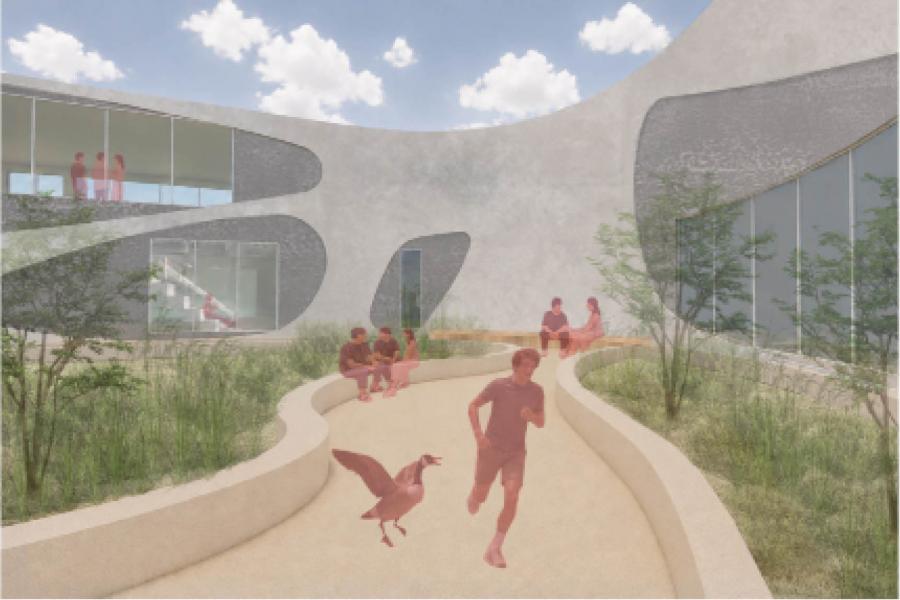
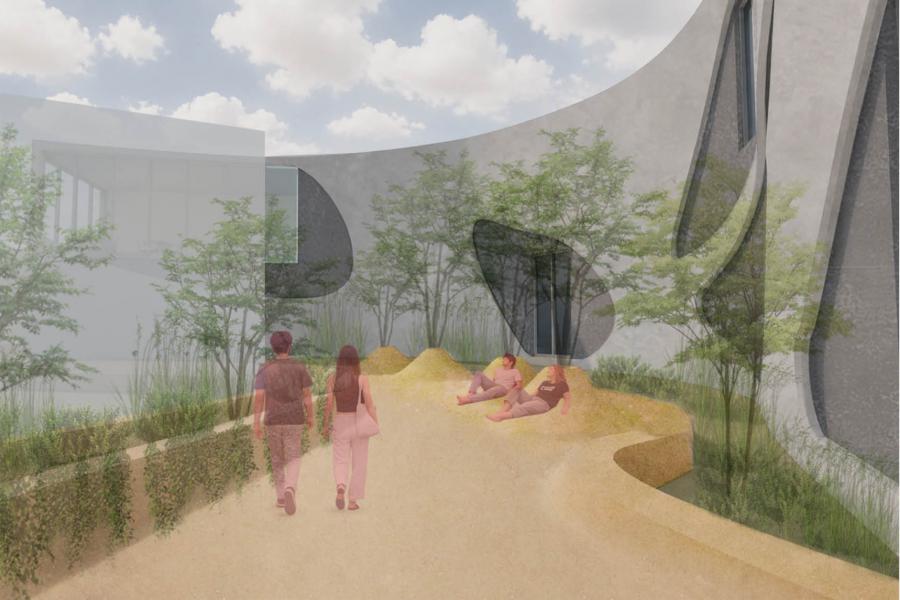
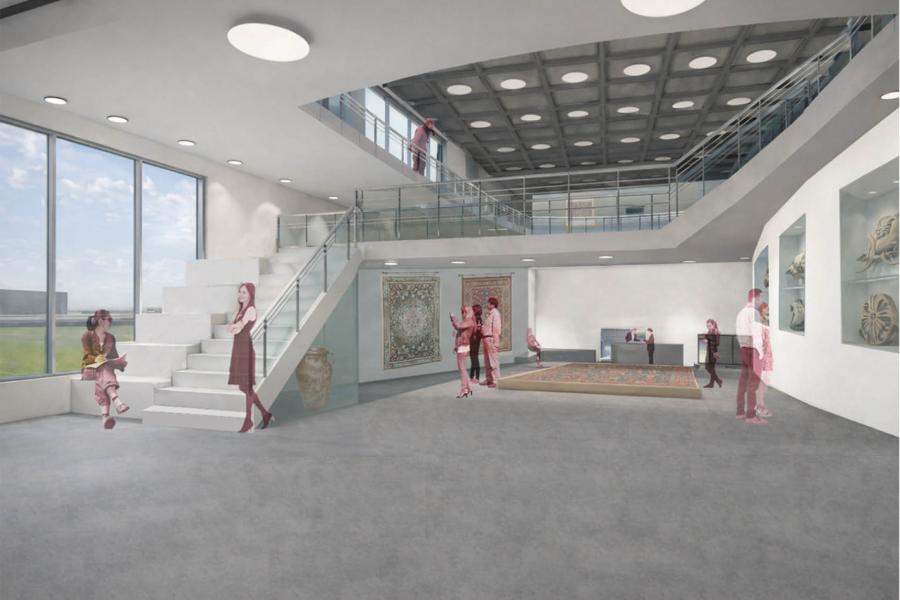
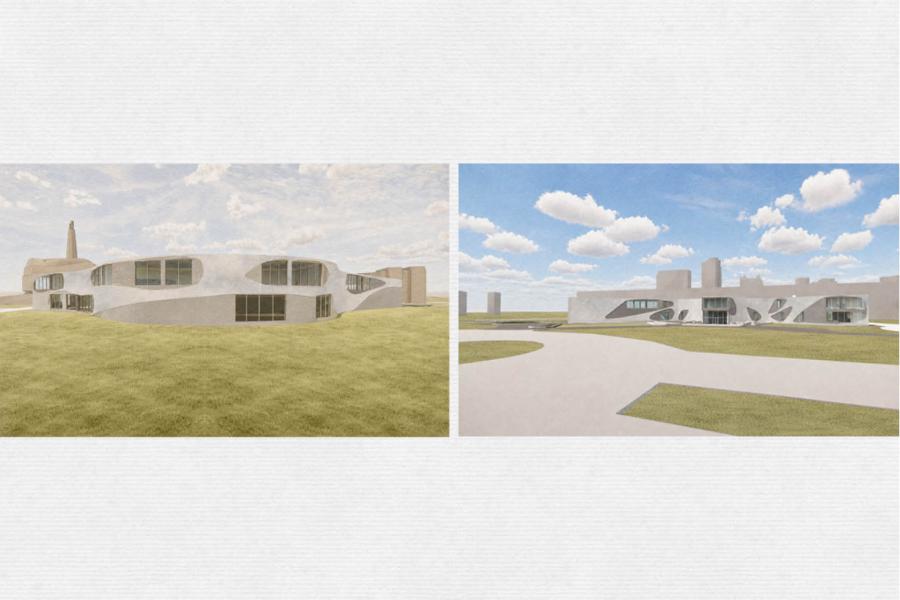
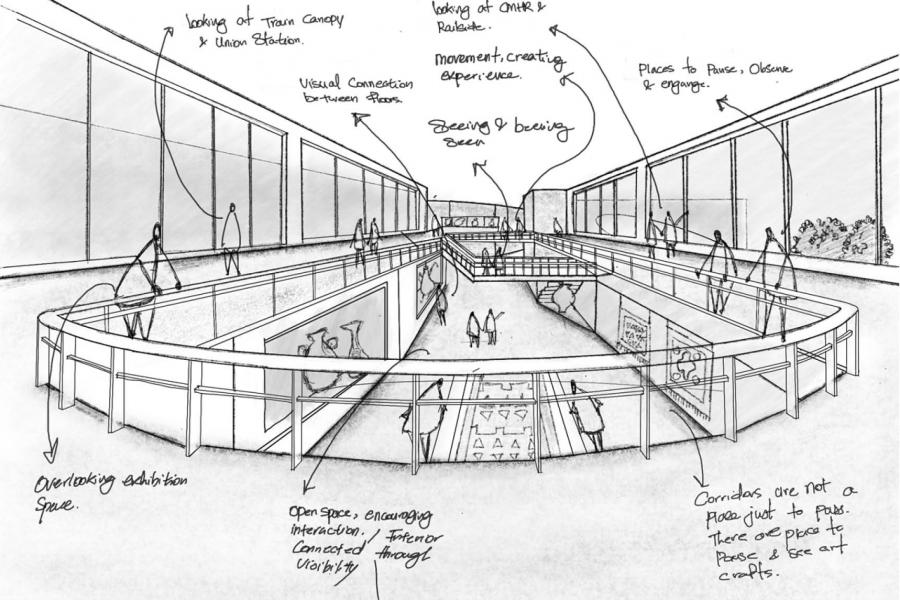
This question became the foundation of my thesis. Through my research, I explore how architecture can cultivate inclusivity, social cohesion, and a shared sense of home through elements such as thresholds, circulation, transparency, and shared activity. Influenced by thinkers such as Jan Gehl, Chris Abel, and Steven Holl, my thesis proposes an inclusive cultural community/Cultural center that encourages participation, continuity, and shared ownership, demonstrating how architecture can move people toward a deeper sense of community and belonging.
BRINGING PEOPLE TOGETHER THROUGH A SHARED ACTIVITY
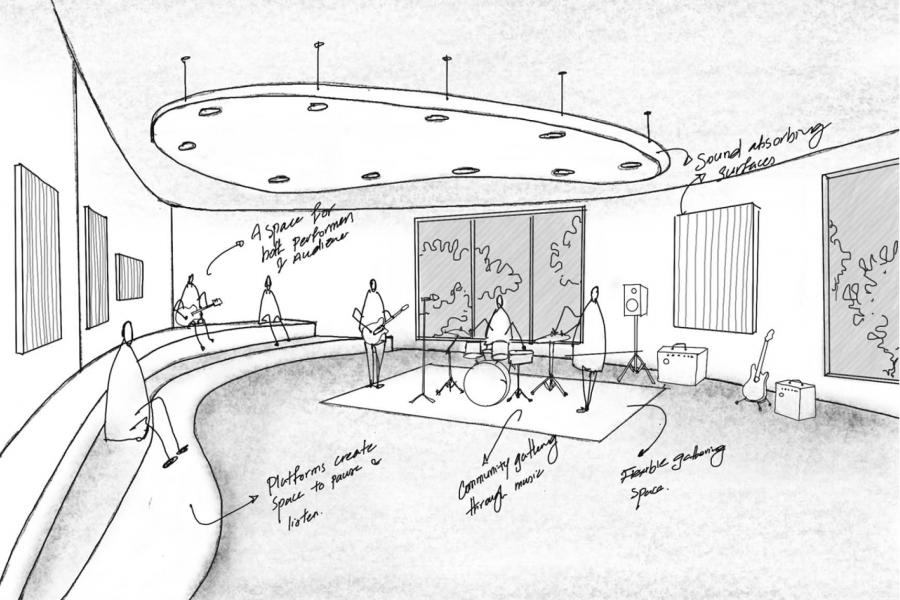
After analyzing Folklorama, I observed that its impact and activities are deeply rooted in three interconnected fields: performance, education, and tourism. Folklorama operates as more than a festival; it creates opportunities for cultural exchange through dance, music, food, storytelling, and movement throughout the city.
This observation led me to explore the idea of designing a cultural center that brings people together through shared experiences. Activities such as dance, music, and cooking possess a strong capacity to foster social connection and encourage cultural interaction. In addition, incorporating gallery spaces for Winnipeg-based artists to exhibit their work could further strengthen community engagement while celebrating the city’s cultural diversity.
WHAT MAKES AN ARCHITECTURE/SPACE INCLUSIVE? WHAT ARE THE ELEMENTS OF INCLUSIVE ARCHITECTURAL SPACES OF BELONGING?
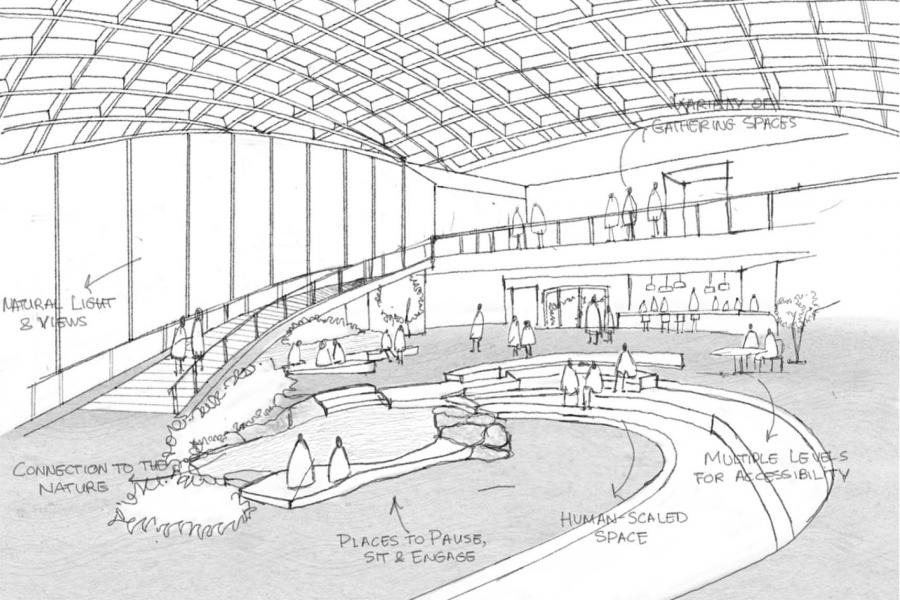
To explore these questions, I engaged with a range of architectural and urban design books, including Cities, Architecture and Societies, Cities for People, and Architecture and Identity. Across these readings, several recurring themes emerged. One of the most significant principles was the importance of SLOWING DOWN the experience of movement and exploration within a space. When movement is not rushed, people are given the opportunity to pause, observe, interact, and participate in shared activities conditions that are essential for fostering social connection, inclusion, and a sense of belonging.1
Another concept is the INTERTWINING of architecture with its site and surrounding potentials. Inclusive spaces do not stand apart from their context; instead, they extend and continue the landscape through architectural elements such as ramps, accessible pathways, layered thresholds, and inhabitable roofs or pavements.2 By blurring the boundary between building and site, architecture becomes more approachable, inclusive, and welcoming. These strategies and thoughts foster CONTINUITY between interior and exterior, built form and nature, encouraging a sense of familiarity and belonging for a diverse range of users.3
1 “Cities : Architecture and Society : 10. Mostra Internazionale Di Architettura, La Biennale Di Venezia.” 1st Ed. Edition. (New York), 2006.
2 Jan, Gehl. Cities for People. Washington, DC: Island Press, 2010.
3 Chris, Abel. Architecture and Identity : Responses to Cultural and Technological Change. Third edition. London;Routledge, 2017.