
Kevin Cowie
Advisor: Neil Minuk
PRIDE, PRAGMATISM & PROSPERITY
This thesis addresses the decline in prosperity of Manitoba’s rural communities following the disappearance of the traditional wood grain elevator. Once the pragmatic core of prairie prosperity, the elevator provided economic stability, a social hub and was a source of communal pride. In the hopes of beginning to remedy the stagnation of rural populations, this proposal explores a type of “speculative reclamation” of these prairie icons by reusing the materials of the grain elevator in a way that is not commonly done.
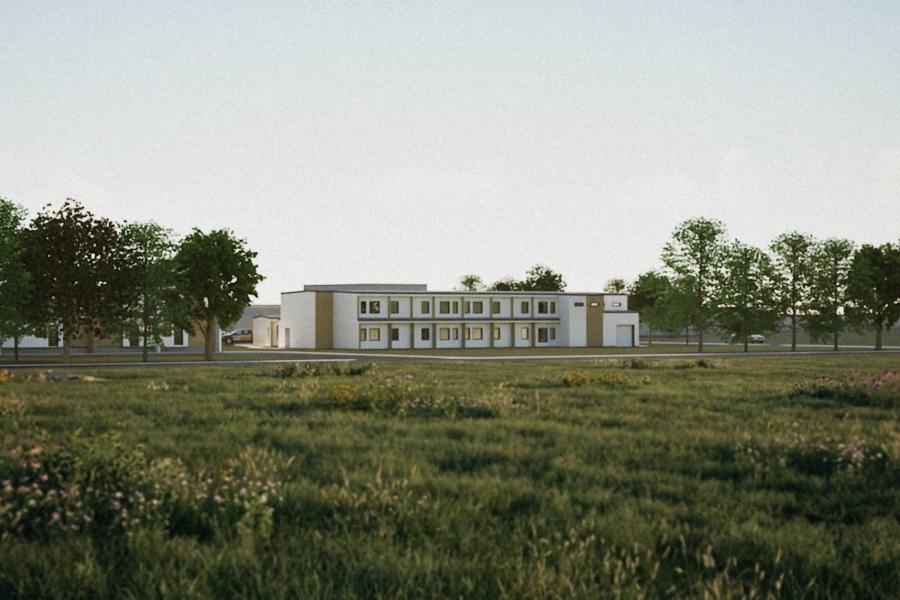
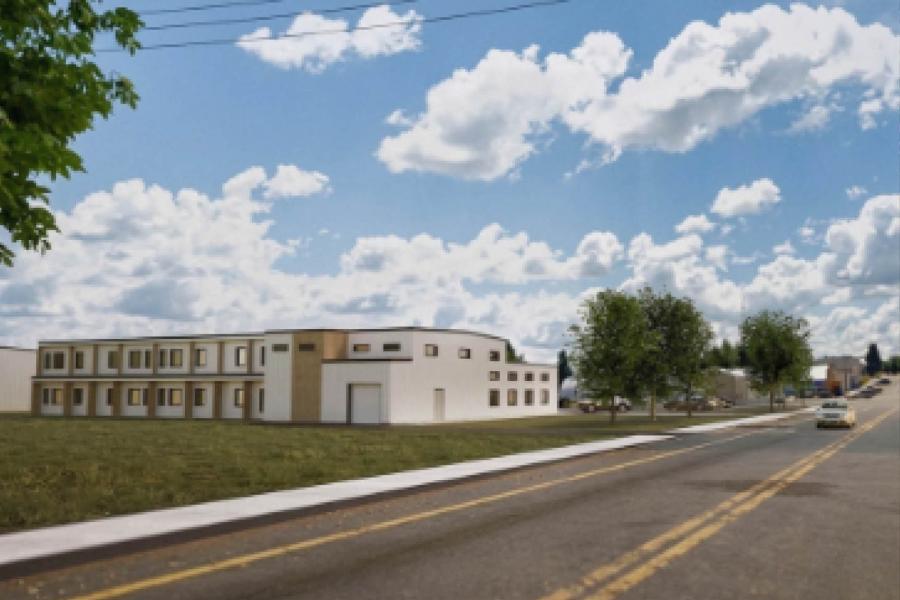
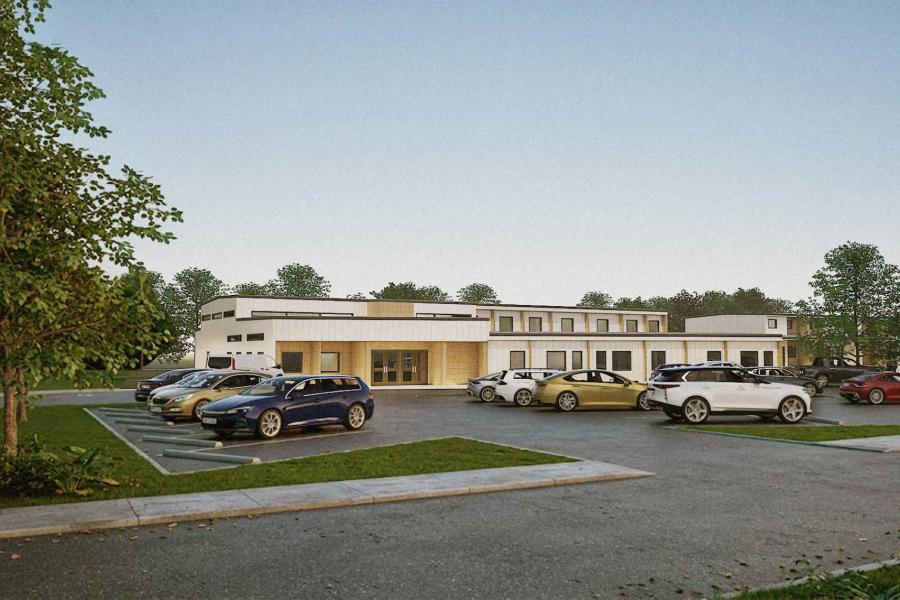
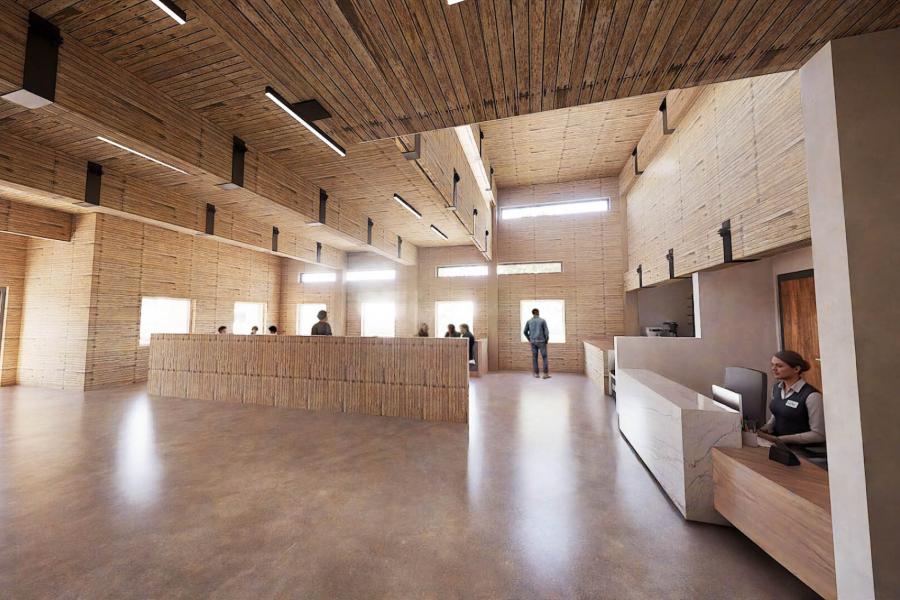
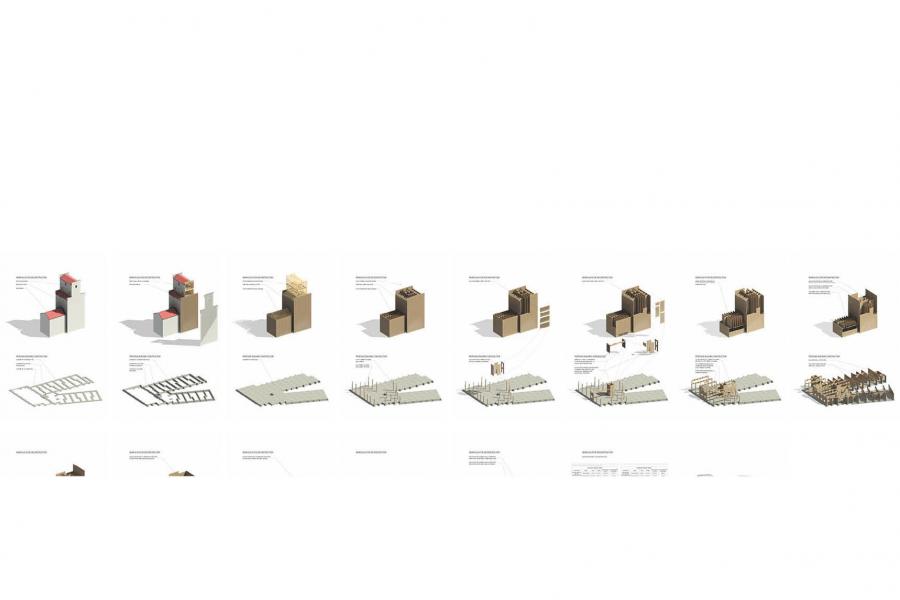
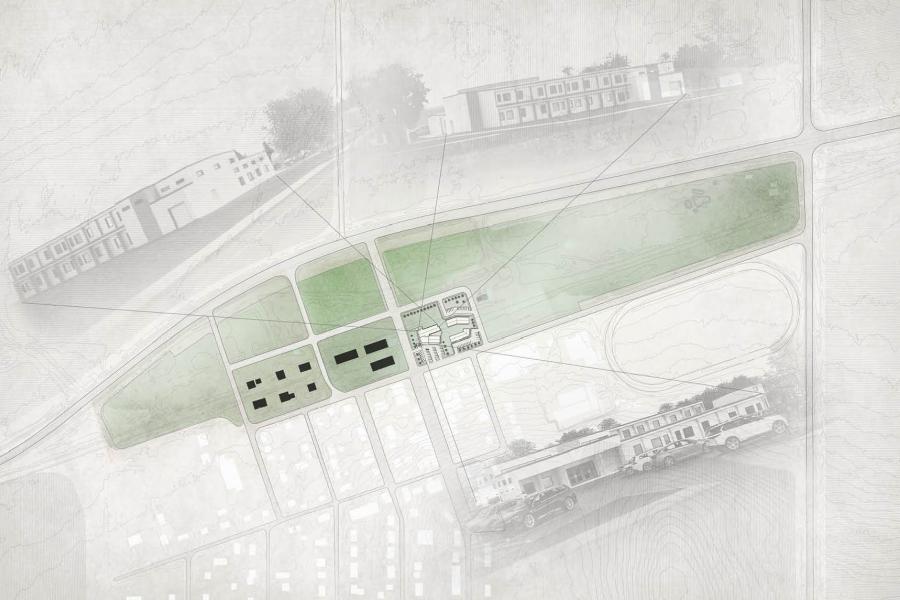
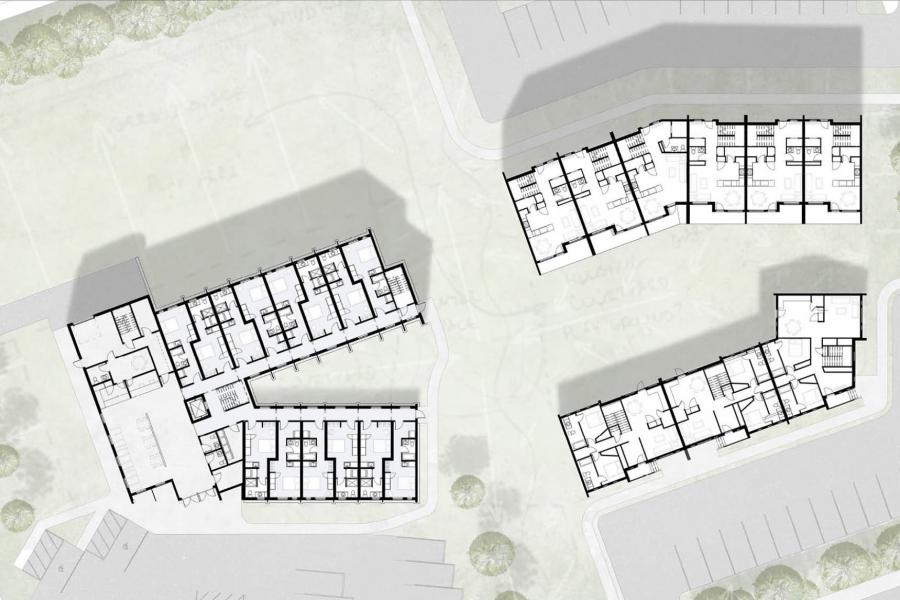
The project, located in Holland, Manitoba, is centered on a hotel built from deconstructed elevator materials and components. By re-purposing elevator crib walls into Nail Laminated Timber panels, walls and beams, the architecture preserves the physical history of wood worn by the flow of grain while adapting to modern needs. This hotel serves as a social gateway, replacing the elevator’s role as a gathering place for locals and visitors alike and allowing new connections to be made. In this way the roots of the town’s prosperity shift to focus on people, rather than agriculture.
By applying rural pragmatism to architectural reuse, the proposal seeks to explore a new era of growth in rural communities, preserving the history and legacy tied to the elevator while bolstering the future identity and prosperity of the town.