
Malina Hutsebaut
Advisor: Carlos Rueda
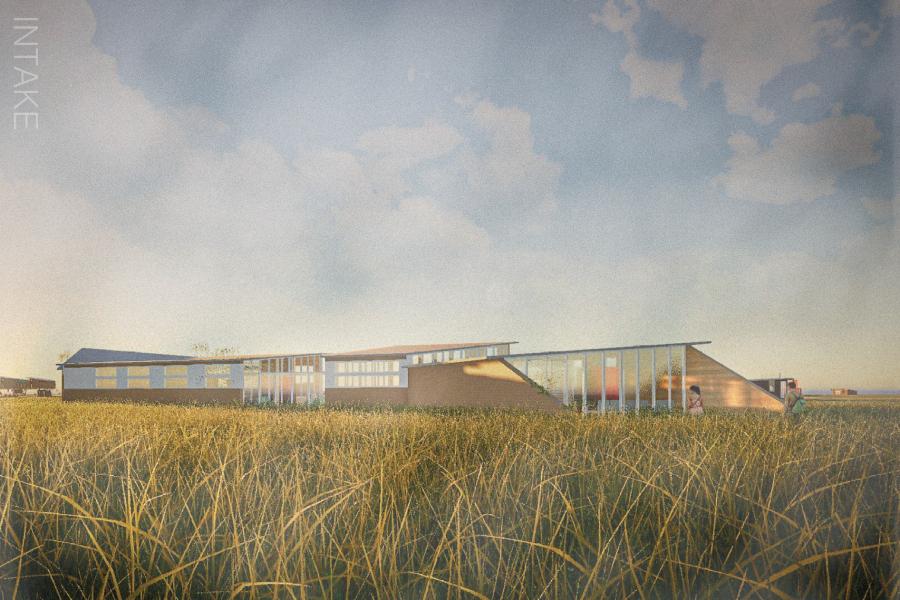
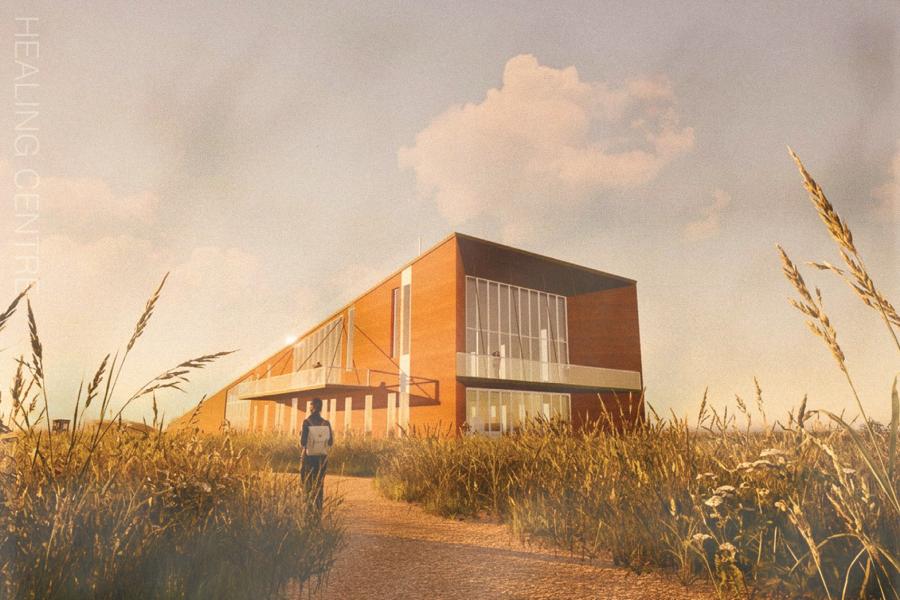
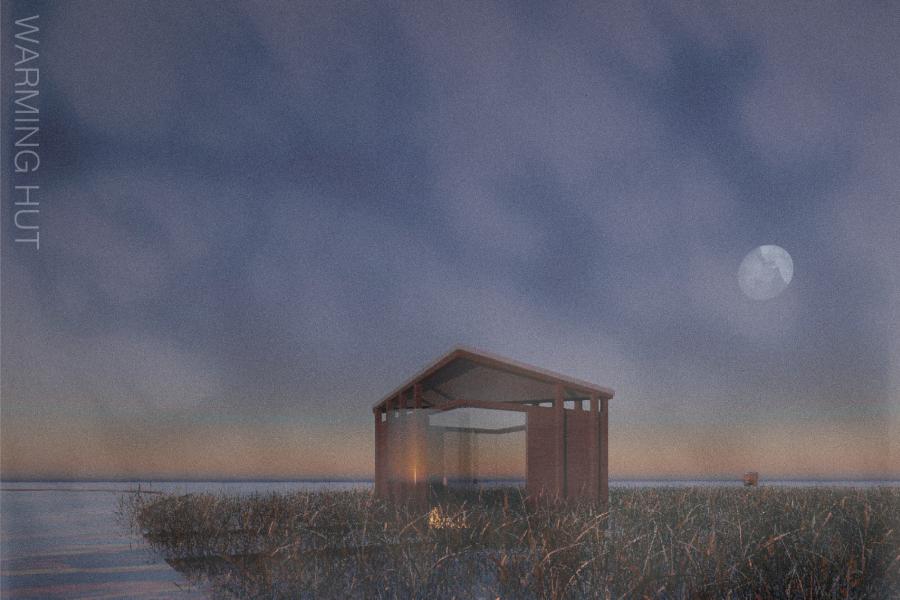
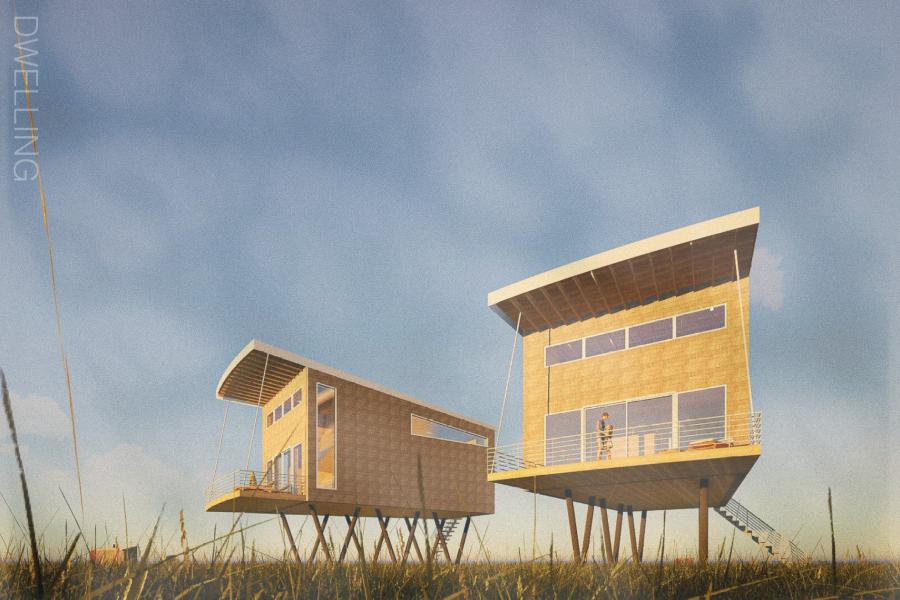
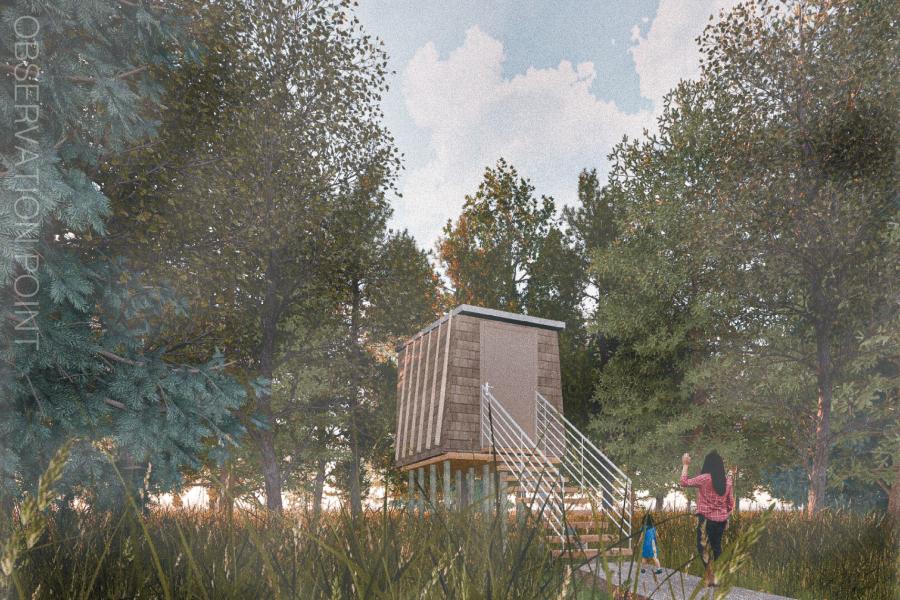
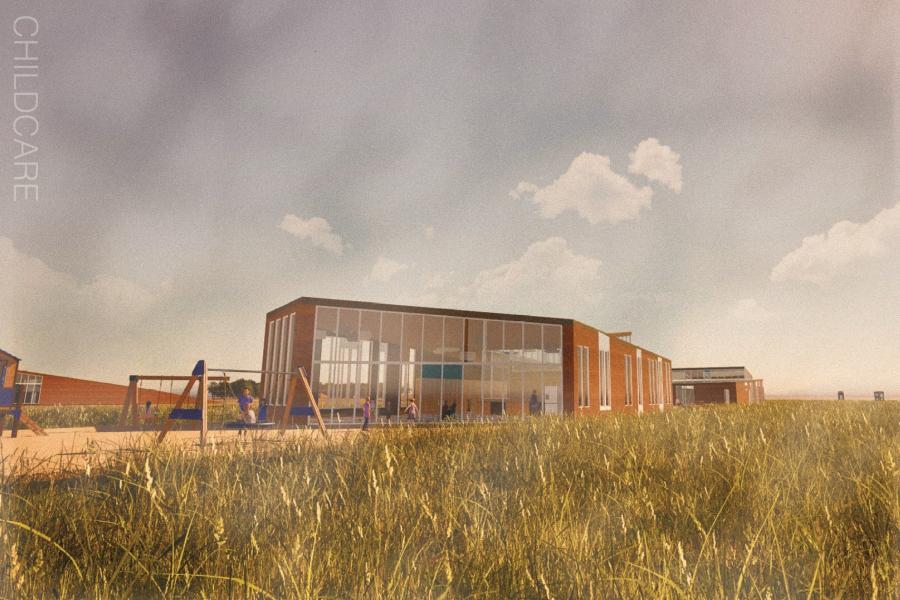
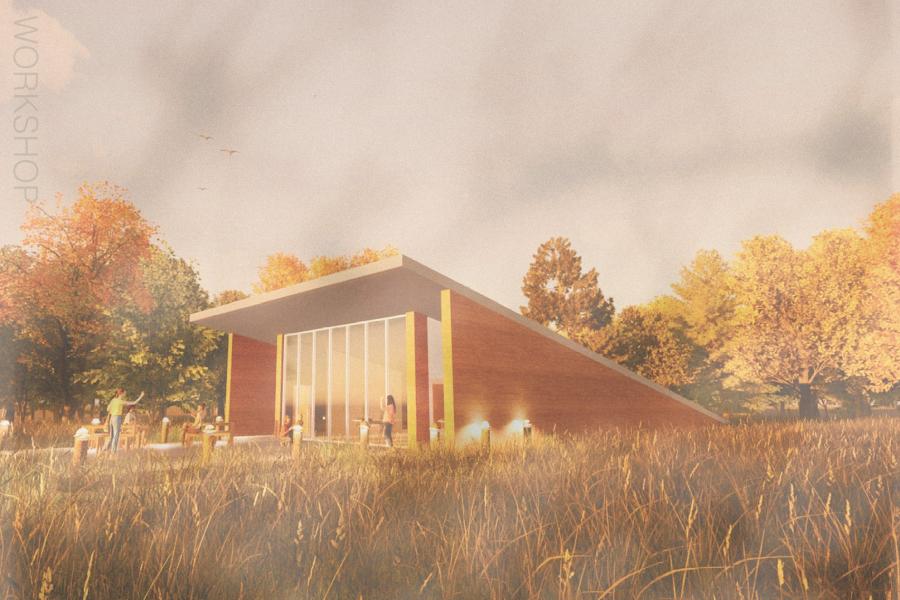
HEALING HAVENS: A PLACE FOR WOMEN SURVIVORS OF VIOLENCE ON LAKE MANITOBA
What might architecture become if its primary intent is to foster holistic healing of women, rather than to serve merely functional institutional purposes? Violence against women is a patent reality. As reported already in 2018 in Canada alone, more than six million women had experienced some form of IPV (intimate partner violence) since the age of fifteen.1 This thesis envisions a sanctuary devoted to women who have been a victim to this. It locates itself along the beach ridges of Lake Manitoba, within the open prairies, where solitude and community coexist in harmony, and where the natural environment becomes a companion in the act of repair.
Rather than assigning fixed roles to space, it positions architecture as a medium—a conductor, that orchestrates formal and atmospheric qualities—light, air, material, circulation, and rhythm, to respond to the needs and emotions of its dwellers. Sanctuary is understood to emerge not solely from physical form but also from processes of. Drawing on women’s shelters and healing centres, locally and globally, the project examines how built form can be a participant in providing care while encouraging community and connection to one’s self and to the land. The sanctuary is conceived as a place that caresses the weight of memory, the residue of trauma, and the quiet joys that persist despite adversity. It is a space for grieving, resting, discovery, and growth, a place where lived pain is witnessed but not allowed to define the self. Architecturally, the project gestures toward the poetics of the body and place: the resilience of hands, the strength of shoulders, and the grounding comfort of earth and soil. Circulation, thresholds, lighting, and material qualities are strategically arranged to encourage contemplation, attentiveness, and embodied presence.
Ultimately, this thesis demonstrates that architecture can become an active agent of care and reverence when informed by the sensorial, memorable, imaginative aspect of the human experience, and care to both human and ecological systems. Through trauma-informed and feminist frameworks, the project seeks to produce a living architecture of restoration—a sanctuary where women may return to themselves, move in rhythm with the land, and emerge whole once again.
1 Gender Based Violence in Canada: Learn the Facts,” Canadian Women’s Foundation, April 15, 2025, https://canadianwomen.org/the-facts/gender-based-violence/.