
Kayla Mantie
Advisor: Liane Veness
A Body Between Worlds: The Architecture of the Perpetual Threshold
Our current building practices enforce a strict divide between our protected interiors and the unpredictable exterior world, encouraging us to prioritise control over connection. However, this separation is not inherent in how humans have always lived. Only a generation or two ago, it was common for many Manitobans to live in reciprocity with the land, engaging directly with climate and weather, and allowing their days to be shaped by the cycles of care embedded within the ecological systems of rural life. This thesis questions how architecture might re-engage these relationships, seeing the boundary between inside and outside not as a barricade, but as a negotiable space where lived activities occur and relationships are formed.
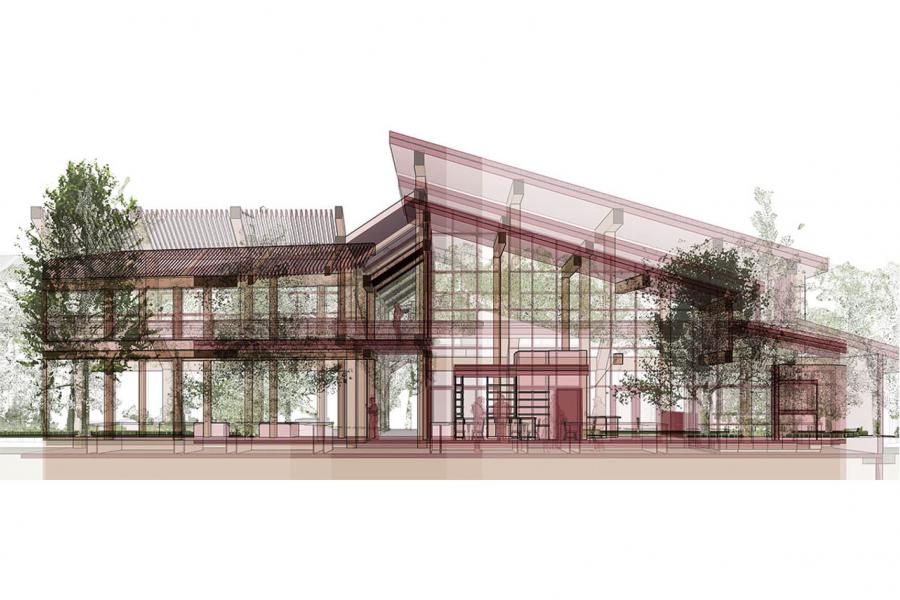
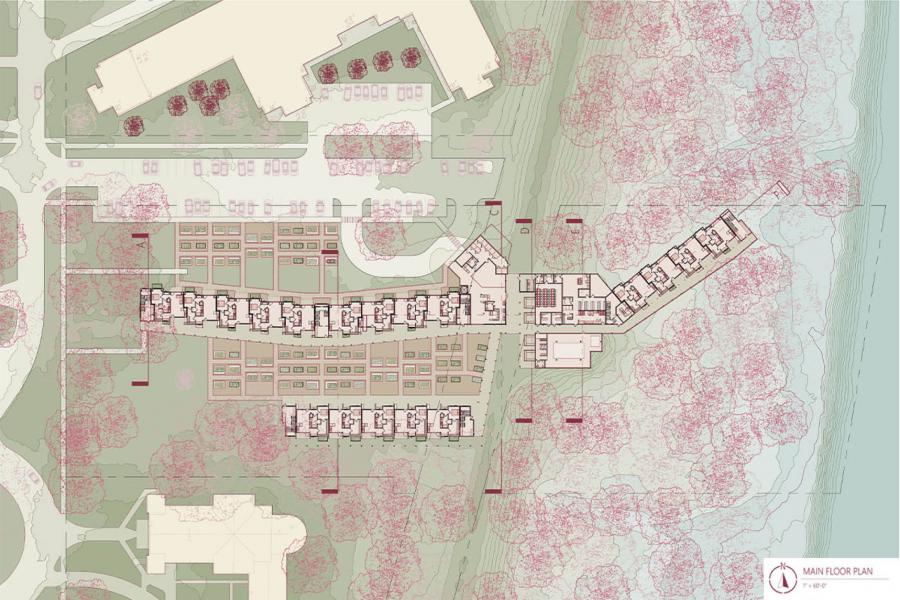
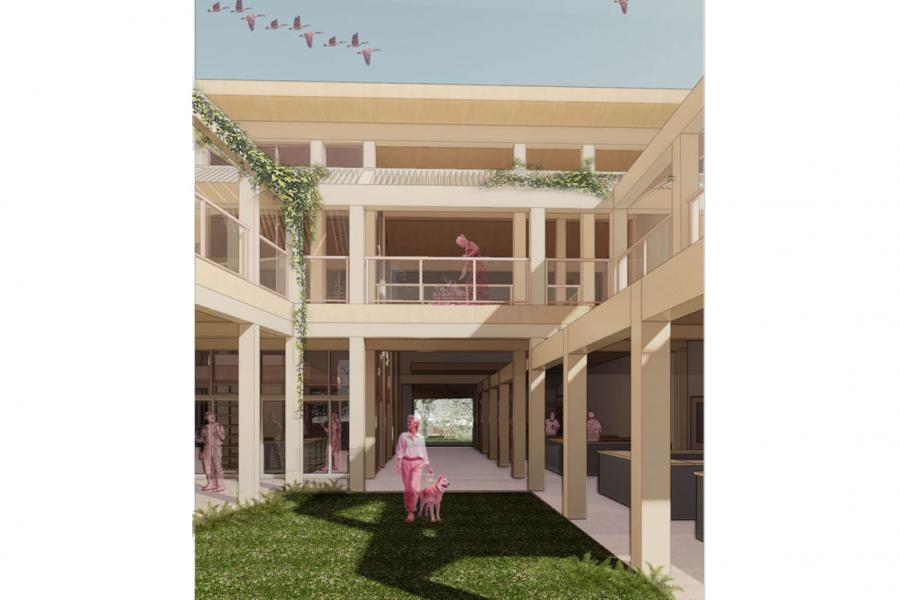
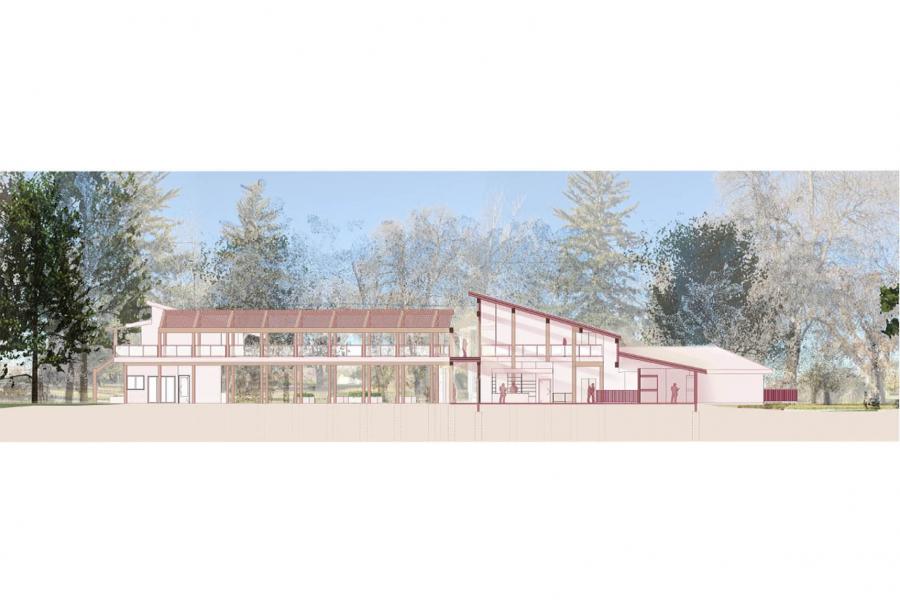
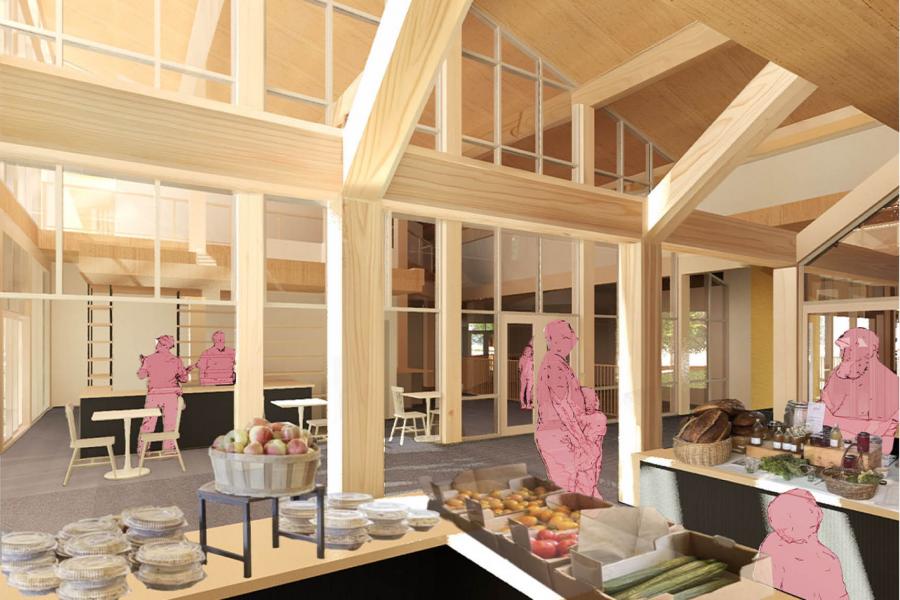
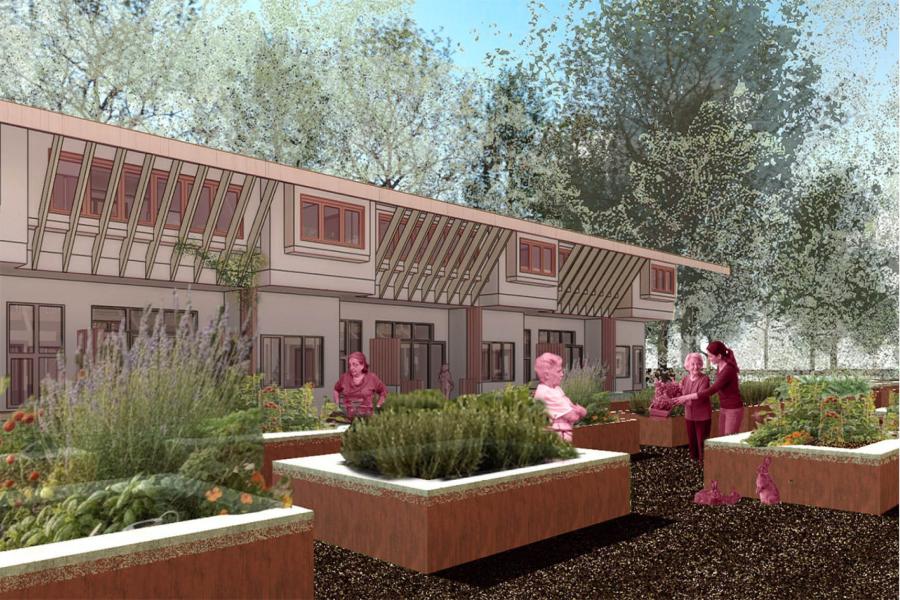
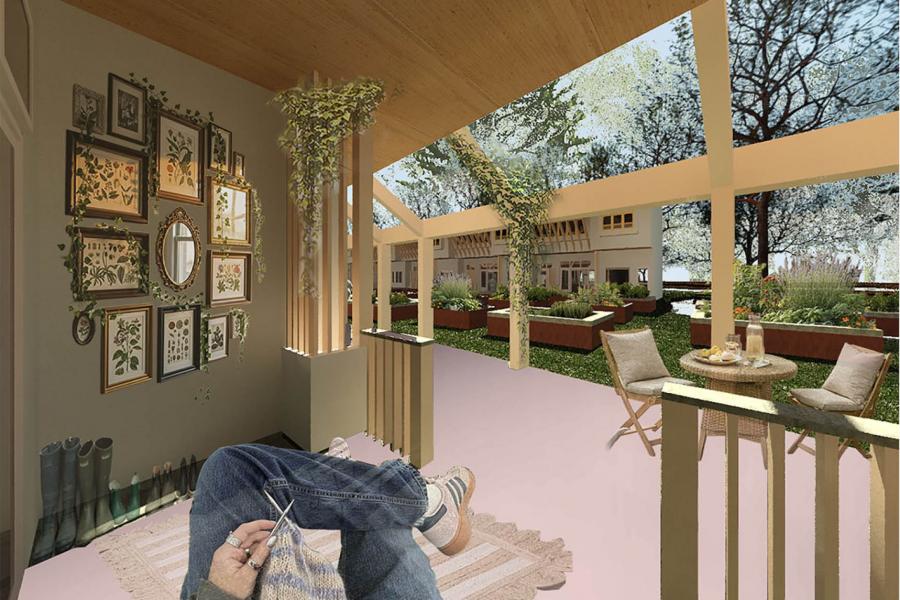
Through the design of an assisted living facility in St. Norbert, Manitoba, the project investigates how people who are at an important threshold in life, the transition away from independence, might be supported through spaces that encourage connection and agency. The design challenges institutional norms that typically prioritise surveillance and efficiency over sensory enjoyment, dignity, and mutual care. Instead of creating static dividers between spaces, the design proposes the perpetual threshold – a spatial condition that is never fully outside or inside, but always both. This condition is expressed through semi-public corridors, personal porches, intentional daylight mitigation, shelter spaces, and shared landscapes. Together, these spaces encourage residents to maintain relationships with nature, climate, other people, and daily rhythms, while also creating new relationships that help build a support system during such a major life transition.
Ultimately, this thesis argues that care in architecture is not possible through rigid separation, but instead through connection. It imagines a place where thickened boundaries allow residents to inhabit the in-between world as a place of grounding rather than withdrawal. Within this space between the interior and exterior worlds, architecture reunites with the land, our communities, and ourselves.