
Elyssa Prado
Advisor: Terri Fuglem
Tao Po: Superstition as Psychological and Cultural Tool in Architecture
Superstition is often dismissed as irrational, yet it has long shaped architecture by influencing how spaces are designed, built, and inhabited. Rather than mere belief, these practices reflect cultural responses to uncertainty, safety, and control. So, how can superstition-based design be reimagined as a psychological and cultural tool that supports wellbeing in architecture?
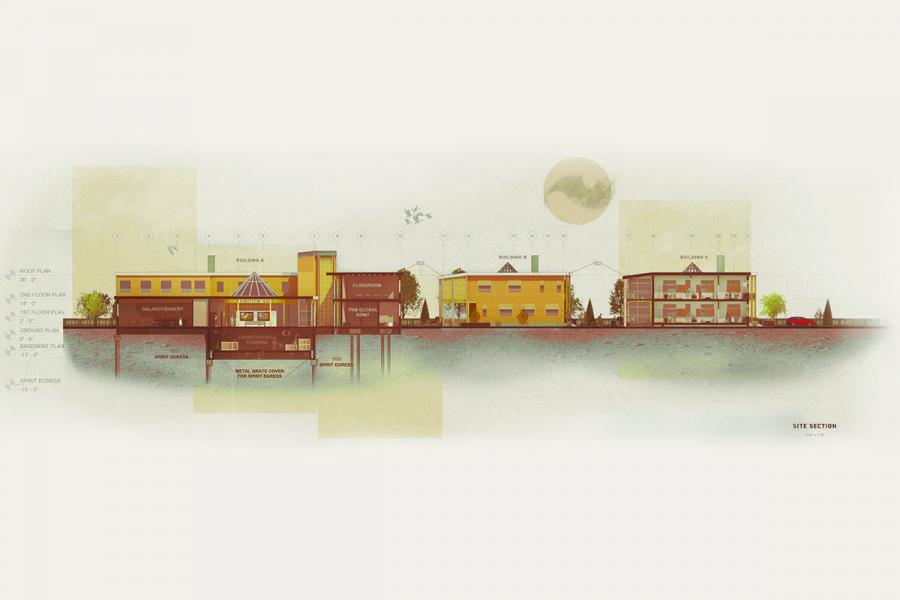
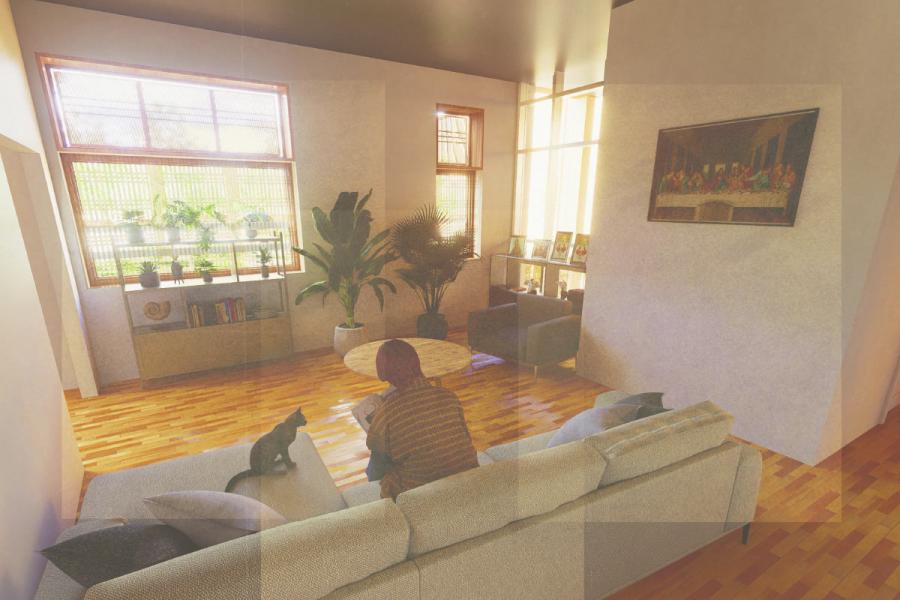
This thesis will mainly explore Filipino architectural superstitions such as how sites are chosen, orientation of entrances, construction, how interior spaces are organized, and moving-in practices. These customs are more than just irrational and symbolic practices of the older times but actively shapes the way Filipinos create a feeling of safety and prosperity in their homes.
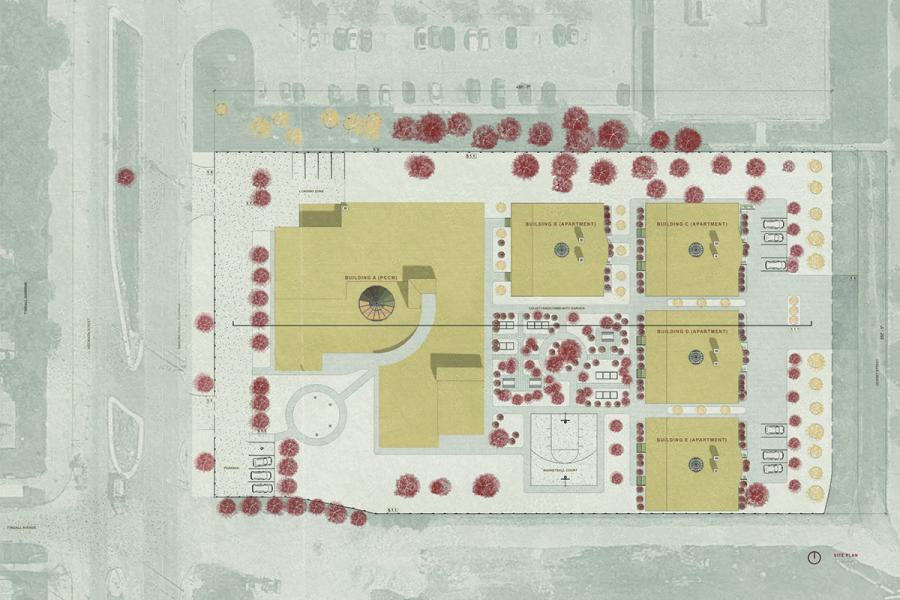
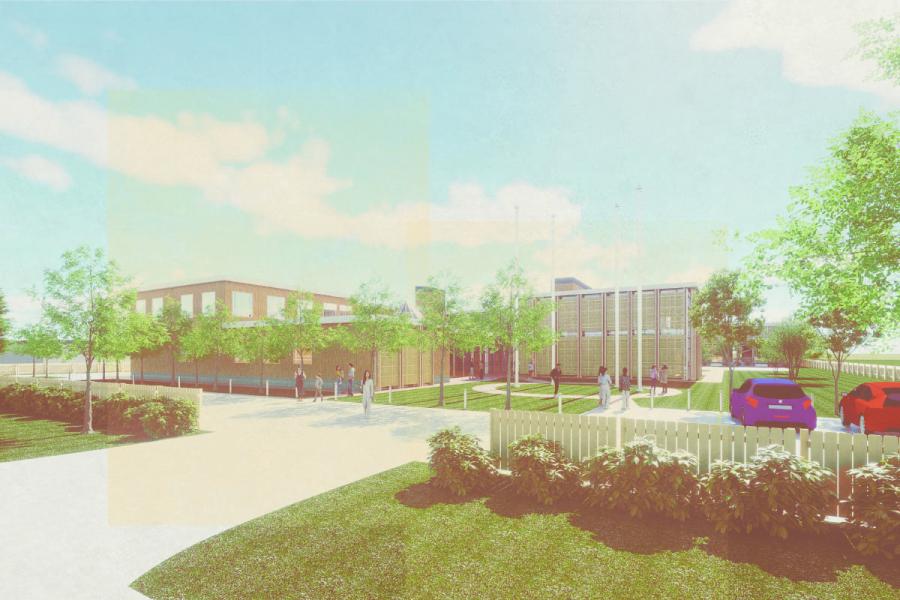
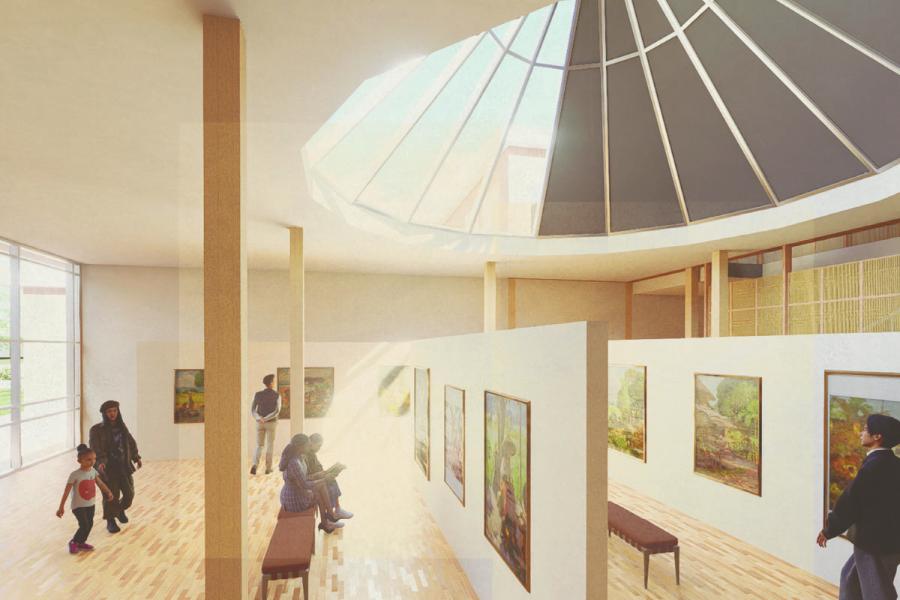
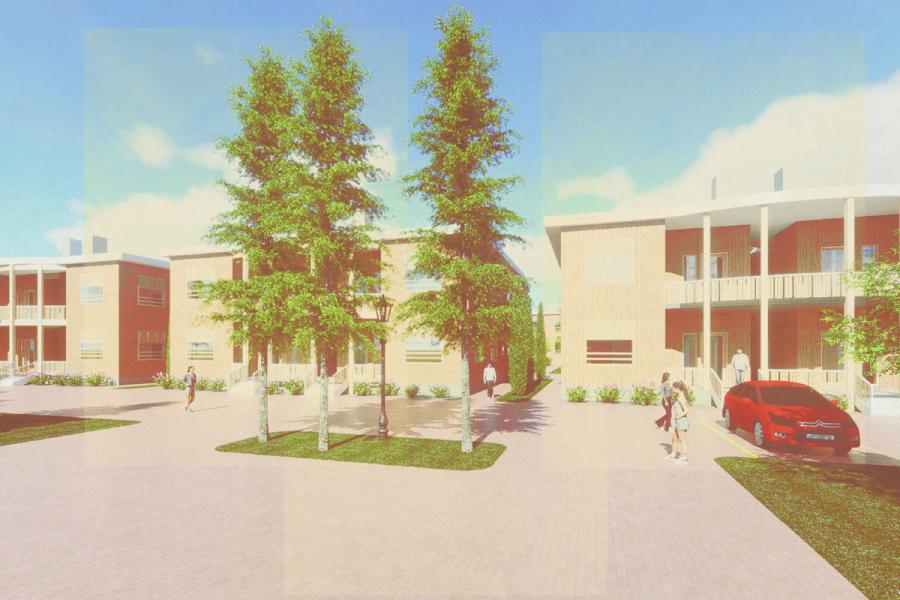
While these beliefs originate in the Philippines, I will deliberately situate my design proposal in Winnipeg, Canada. In diasporic contexts, superstition becomes particularly vulnerable, at risk of being reduced to memory or nostalgia, rather than lived spatial knowledge. Immigration intensifies psychological vulnerability through displacement, cultural loss, housing insecurity, and social isolation. Locating the project at the Philippine Canadian Centre of Manitoba, it will allow the research to test superstition-based design at a point of cultural fragility and translation in an unfamiliar environment rather than familiarity. This thesis positions superstition not as a relic of the past, but as architecture’s hidden psychology and as spatial strategies that support wellbeing, belonging, and communal identity.