
Sara Yazdi
Advisor: Lancelot Coar
The Playful Theatre: An Architecture of Intergenerational Connection
One does not need to be an architect to be affected by the quality of a space. Everyone, regardless of background, begins a dialogue with space the moment they encounter it — a dialogue that can last a lifetime. It is therefore reasonable to believe that architecture holds the potential for healing.
In an age when the loneliness crisis grows day by day, rediscovering our lost connections with one another may be the cure we need. Today, one in six people experience loneliness.1 The process of modernization continues to produce new and even harsher forms of isolation, as the modern promises of prosperity, security, and freedom often come at the expense of the communities we sacrifice to achieve them.2 Modern humans have grown insensitive to the land and the nature that sustain and protect them. Cities are increasingly developed with little regard for the healing role that a connection to nature plays in human life.3 In the end, we suffer not only from isolation from one another but also from estrangement from the natural milieu.
Fast-paced, ever-moving modern cities are designed with adults in mind. In this context, seniors are often pushed to the margins. The important cultural roles they once held are fading, and their years of experience, knowledge, and wisdom are too often disregarded. Opportunities for them to socialize, make friends, or share their skills and insights in meaningful ways are limited. Today, the word old carries a negative weight, while in earlier cultures, old age was equal with greatness.4
In modern society, children are marginalized in a different yet parallel way.5 Their needs and natural rhythms rarely align with the pace of modern life. In a world where parents work from nine to five, children are often placed “out of the way.” Yet children, are innately curious6; and curiosity motivates them to seek out knowledge.7 And all they do through play — hearing, touching, smelling, tasting, and seeing is a tool for them to learn¬¬¬—since for them, play is the most natural and powerful form of learning.8
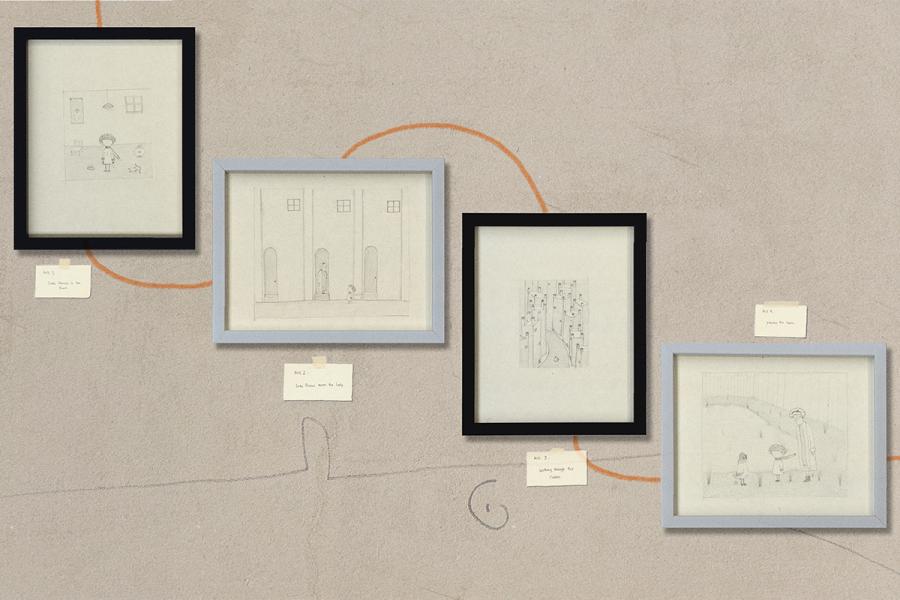
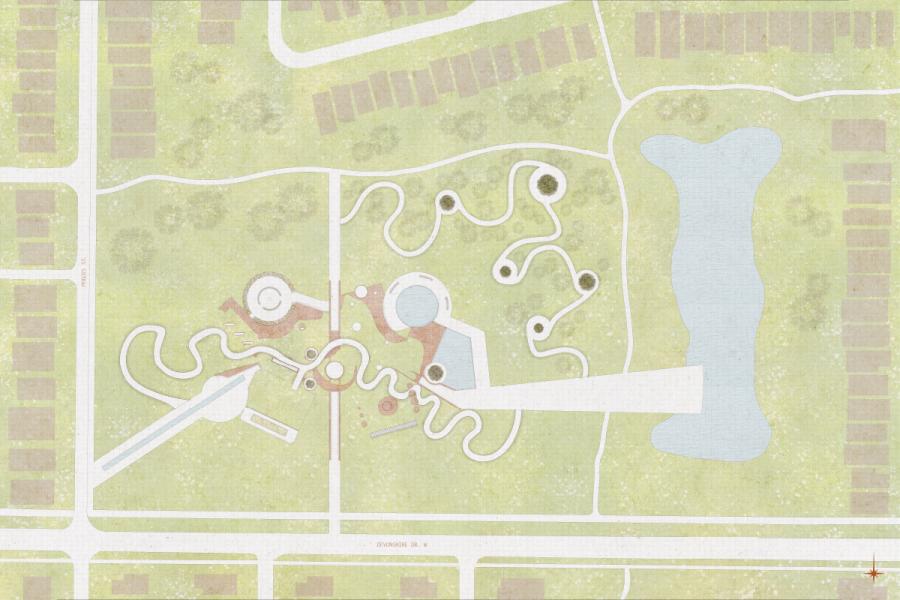
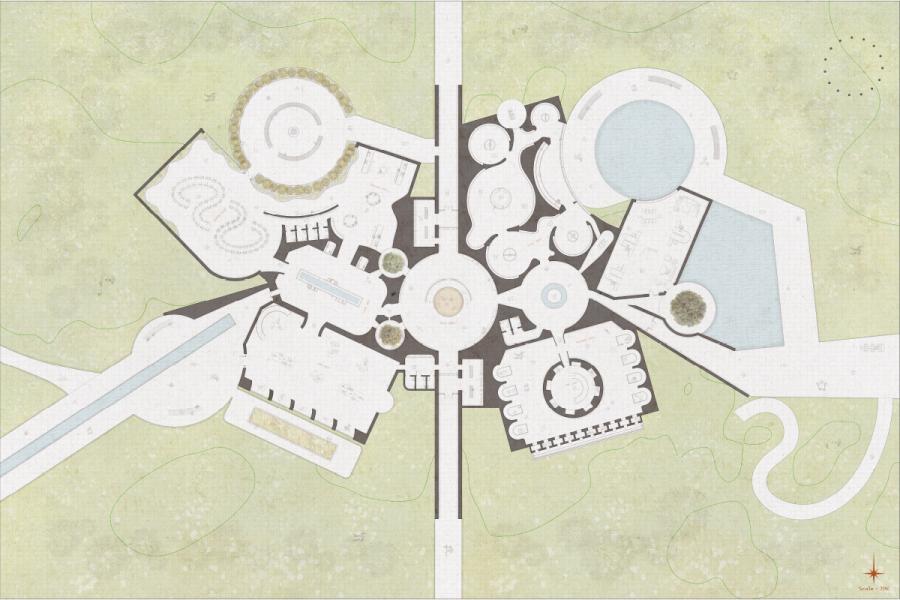
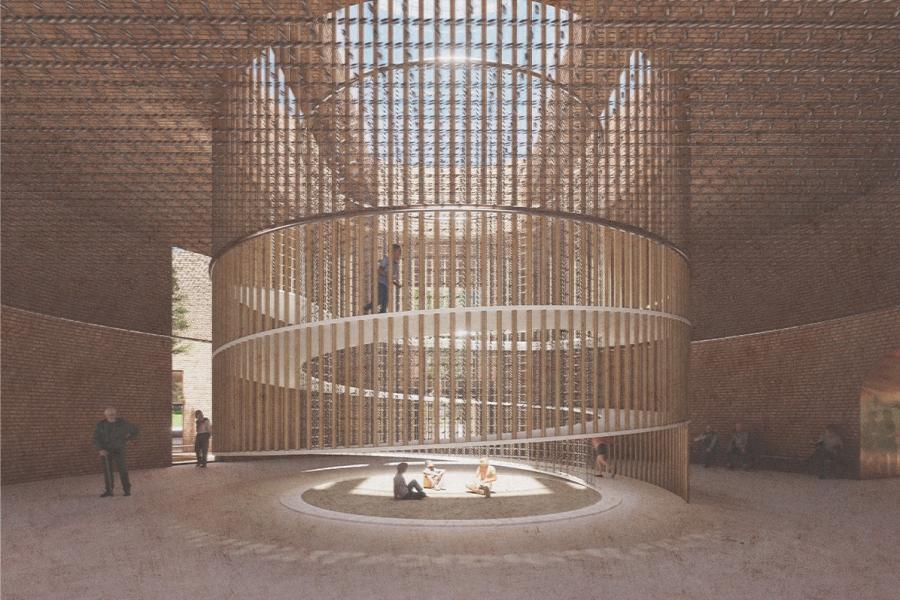
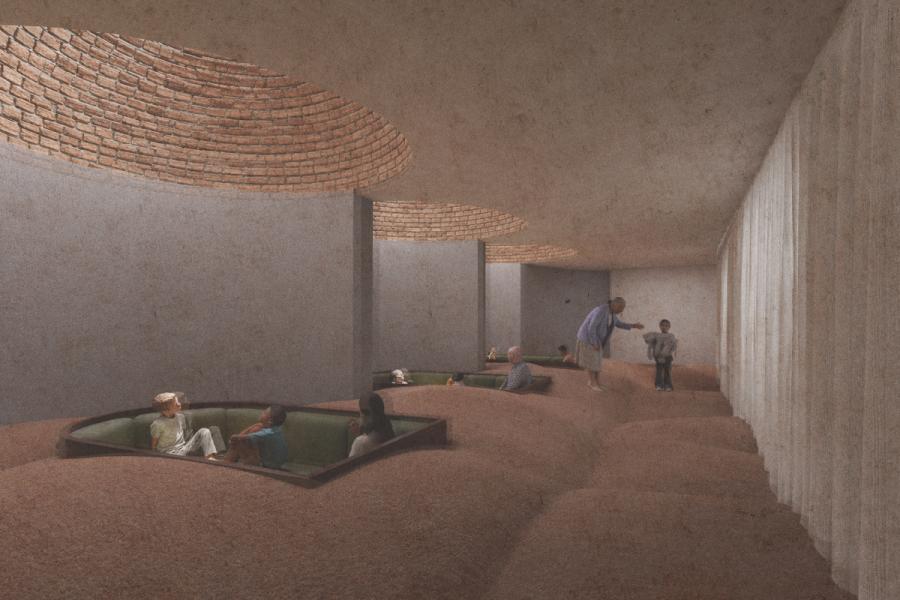
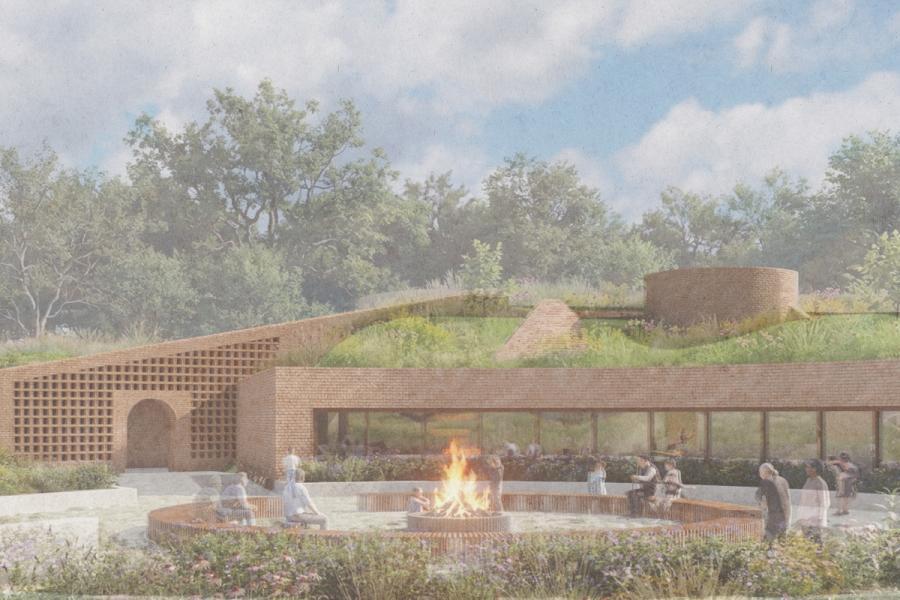
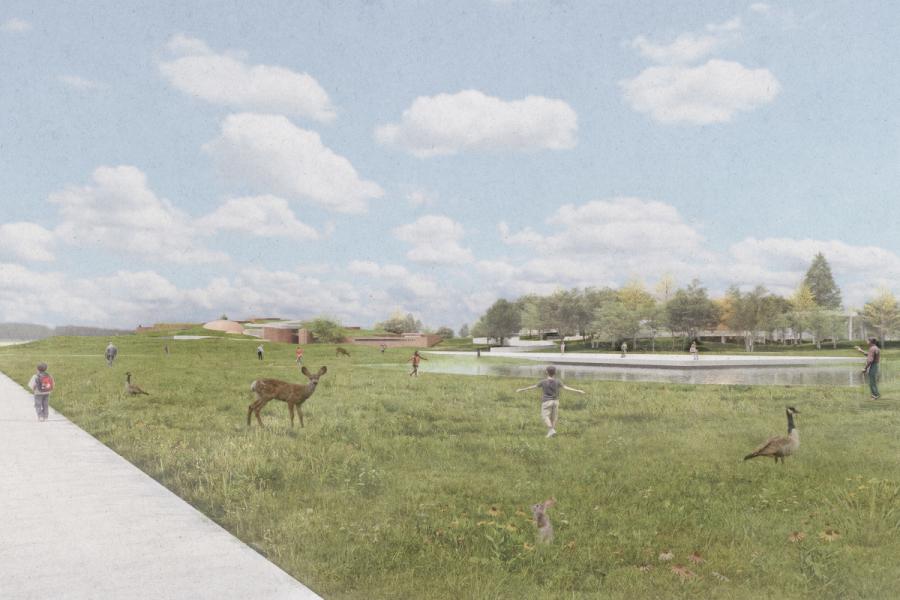
Ultimately, this thesis explores play as a tool for bridging generations, particularly between children and the elderly. It seeks to understand their perspectives on play and connection, and to find an architectural language that redefines what play can mean. It also emphasizes re-establishing our connection to the land as an essential step toward healing. Together, these explorations aim to shape an architecture that is more than a community center — a shared space where seniors and children can engage with themselves, with one another, and with nature, while inviting people of all generations to take part.
1 “Reducing Social Isolation and Loneliness among Older People,” World Health Organization, accessed November 5, 2025, https://www.who.int/activities/reducing-social-isolation-and-loneliness-among-older-people.
2 Denis Newiak, The Lonelinesses of Modernity: A Theory of Modernization as an Age of Isolation (Wiesbaden: Palgrave Macmillan, 2025).
3 Mohamed Elsadek, Yuhan Shao, and Binyi Liu, “Benefits of Indirect Contact with Nature on the Physiopsychological Well-Being of Elderly People,” HERD: Health Environments Research & Design Journal 14, no. 4 (April 8, 2021): 227–41, https://doi.org/10.1177/19375867211006654.
4 Michael McNally, Honoring Elders: Aging, Authority, and Ojibwe Religion (Columbia University Press, 2014).
5 Jane Claro, “Exploring Loneliness in Children,” Mental Health Foundation, April 3, 2019, https://www.mentalhealth.org.uk/explore-mental-health/blogs/exploring-loneliness-children#:~:text=45%25%20of%20children%20said%20they.
6 Emily Boudreau, “A Curious Mind,” Harvard Graduate School of Education, November 24, 2020, https://www.gse.harvard.edu/ideas/usable-knowledge/20/11/curious-mind.
7 Jamie J. Jirout, Natalie S. Evans, and Lisa K. Son, “Curiosity in Children across Ages and Contexts,” Nature Reviews Psychology 3, no. 9 (August 7, 2024): 622–35, https://doi.org/10.1038/s44159-024-00346-5.
8 Julie Kessel, “Let Our Children Play: The Importance of Play in Early Childhood Education,” University of Montana Journal of Early Childhood Scholarship and Innovative Practice 2, no. 1 (April 28, 2018): Article 5.