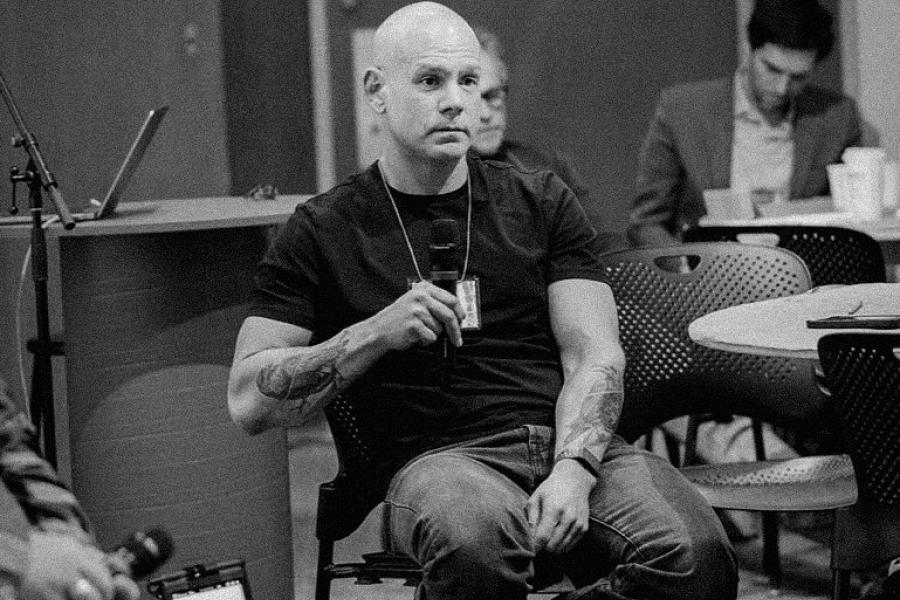
Shawn Bailey is a Red River Métis architect, educator, and researcher based between Winnipeg and Lake of the Woods. He teaches in the Department of Architecture at the University of Manitoba, where his work focuses on land-based learning, Indigenous knowledge, making, technology, and architectural practice.
A lot of his work has come from examining where and how today’s architecture emerges and is taught. Over the past several years, he has worked with students, Elders, Knowledge Keepers, cultural guides, communities, and other disciplines through professional practice, design-build projects, workshops, studios, and research guided from the land.
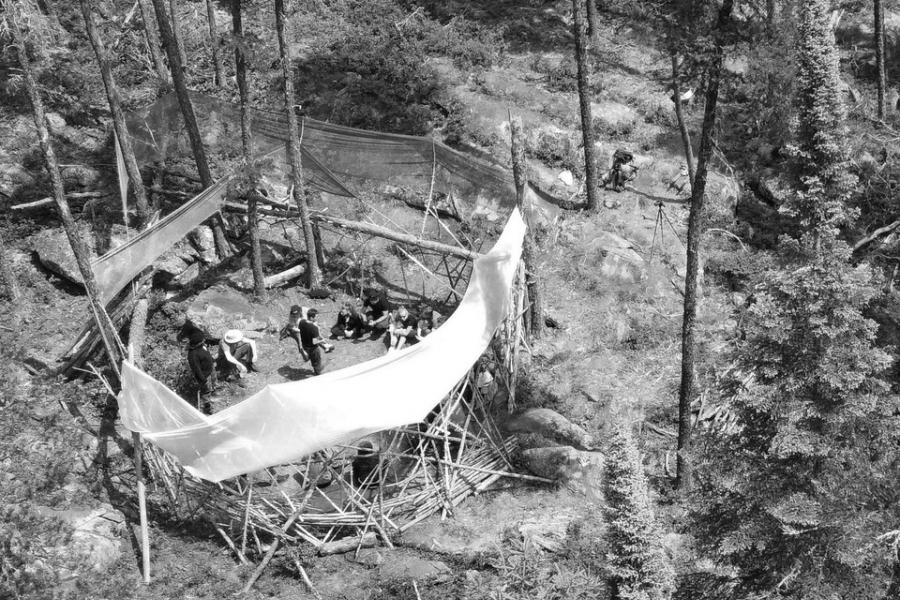
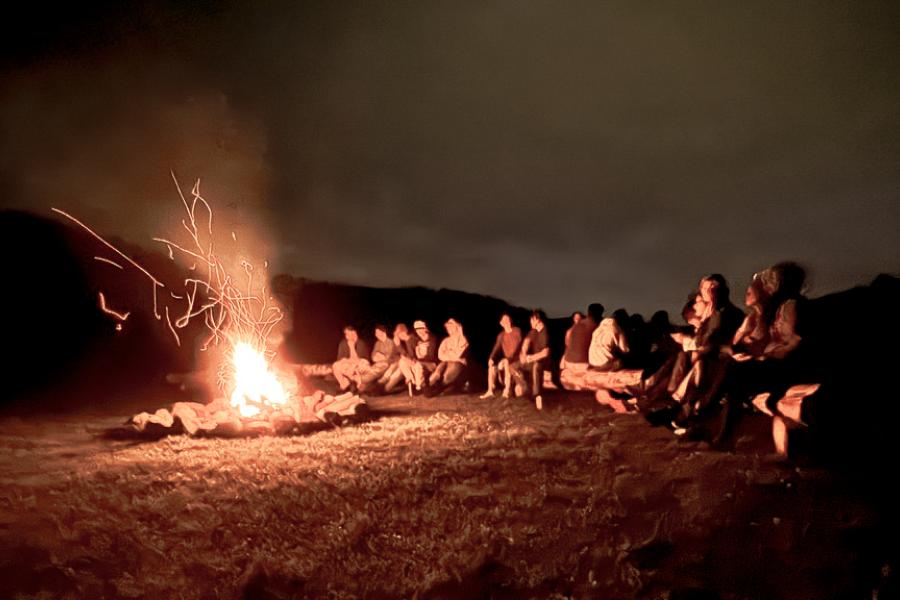
This work led to the development of the University of Manitoba Forest School, a place for land-based teaching and research outside the traditional classroom to test what happens when the land is not the subject or site of learning, but part of how learning takes place.
As his work has developed, Bailey has become less interested in the trends, metaphors, and justifications that surround architecture. These can too easily take precedence over architecture itself, replacing meaning, experience, and deeper intentions with the need to participate in what is current. His work instead searches for humility in architecture, grounded in relationships, making, land, and place.
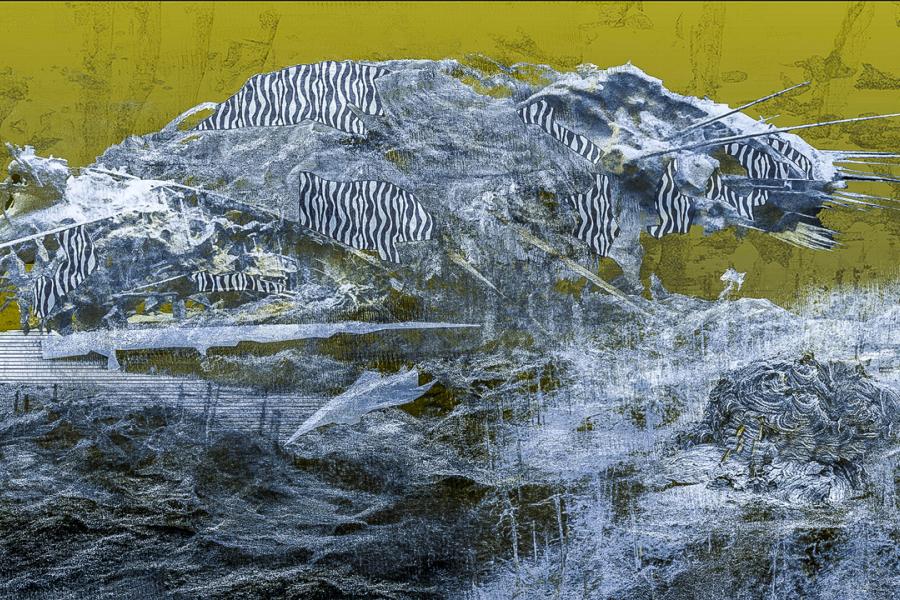
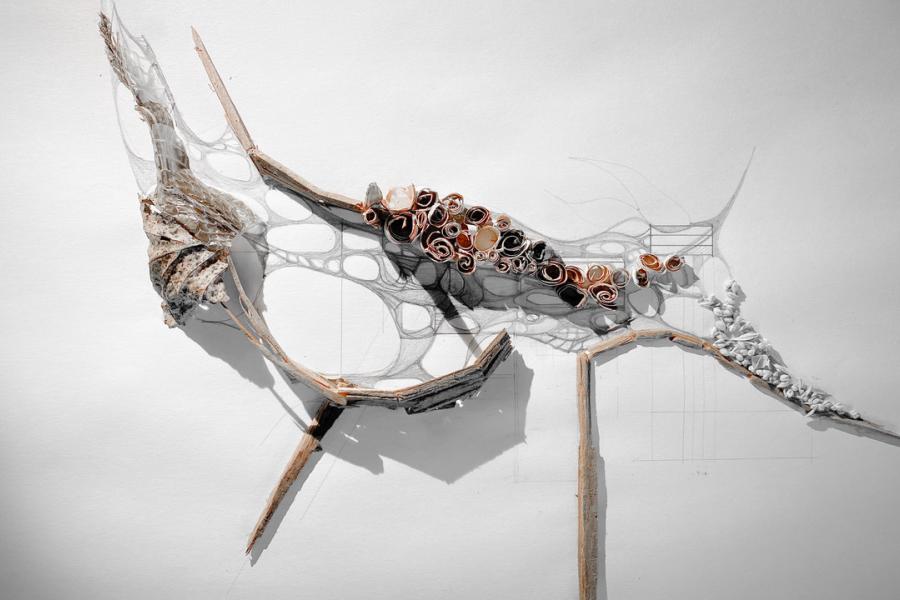
His research also looks at drawing and technology, particularly the space between the hand and digital ways of working. He is interested in what happens to craft and knowledge as architecture becomes digitally controlled, but also in the opportunities that might emerge between these ways of working.
Bailey is a recipient of the ACSA New Faculty Teaching Award, the Canadian Centre for Architecture Indigenous Design Fellowship, and the D2L Innovation Award. His teaching and work have been published, exhibited, and presented nationally and internationally, including at the Seoul and Venice Architecture Biennales.
He is currently a cofounder of Wolf Island Field Station, an emerging project on Lake of the Woods that brings together pedagogy, research, and architectural practice. It is being developed as a place for inquiry, residencies, workshops, design-build projects, research, making, and small architectural projects.