Get the information you need for academic planning and connect with experiences to develop the knowledge, skills and attributes that employers are seeking.

This resource is meant as a guide to provide suggestions throughout your time at university (refer to the Academic Calendar for a complete list of program requirements). Develop a plan and timeline that suits you best. Make intentional choices for your courses and work experiences.

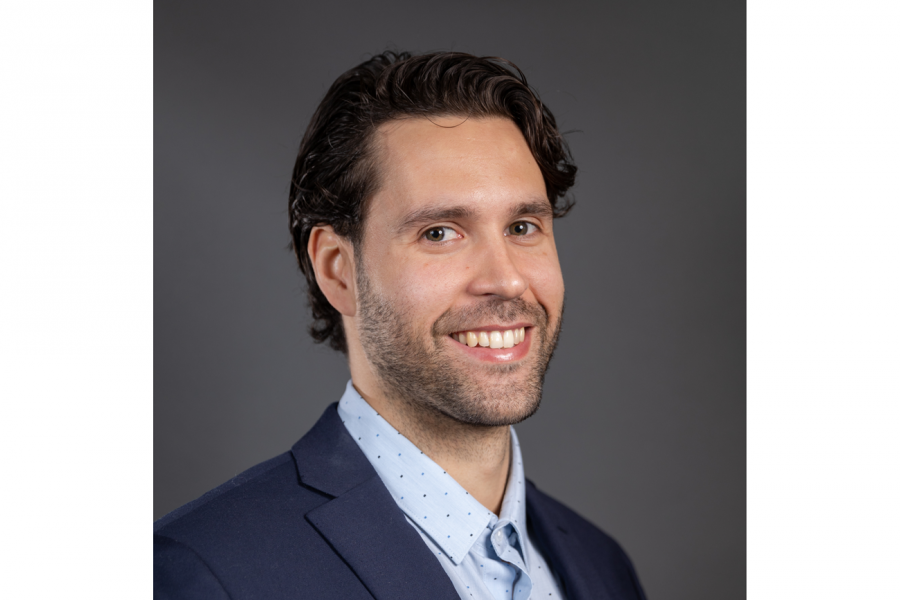
  • Photo of Keegan Slijker
  • Student spotlight

    "Get involved with a student group. There are many great student groups on campus that put on events and can help you grow you network on campus and beyond. Try to take advantage of all the extra services the university provides for finding a job or help you with your studies."

    Keegan Slijker, Indigenous studies student

Indigenous Studies at UM

As an Indigenous studies student in the Faculty of Arts, you will examine the history, art, literature and the philosophical and religious traditions of Canada's Indigenous (First Nations, Inuit, Métis) inhabitants. The Department of Indigenous Studies has many opportunities for you to explore with three main areas of study:

  1. Indigenous Studies: examines the political, historical and societal processes that affect the Indigenous peoples in Canada.
  2. Indigenous Languages: studies the traditional indigenous languages Cree and Ojibway.
  3. Indigenous Governance: an interdisciplinary program focusing on the study of traditional knowledge, political governance and Indigenous business and economics.

Skills you will gain by studying INDIGENOUS STUDIES

  • A knowledge of Indigenous history and culture with an understanding of unique worldviews
  • The ability to think critically and develop innovative solutions to issues that affect relationships between Indigenous and non-Indigenous peoples in Canada
  • The ability to communicate effectively verbally and in writing.

Academic Success

Year 1 - 30 credit hours


Course requirements:

General Major and Advanced Major: INDG 1200 or INDG 1220 and INDG 1240

General Major, Anishinaabemowin (Ojibwe) Language Focus (Option 2): INDG 1200 or INDG 1220 and INDG 1240 plus language courses INDG 1270 (or INDG 1272) and INDG 1280 (or INDG 1282).

General Major, Cree Language Focus (Option 3): INDG 1200 or INDG 1220 and INDG 1240 plus language courses INDG 1250 (or INDG 1252) and INDG 1260 (or INDG 1262).

Advanced Major - Indigenous Governance Stream: INDG 1200 or INDG 1220 and INDG 1240 plus ECON 1010 or ECON 1210 or ECON 1220 - students must also complete a minor in business. See the academic calendar for required courses. 

To do this year:

  1. Meet with an academic advisor to help you plan your program.
  2. Check out the Financial Aid and Awards Office to search for funding sources to help finance your education.
  3. Visit the Academic Learning Centre for workshops or to meet with a learning skills instructor.

Year 2 - 60 credit hours


Course requirements:

General and Advanced Majors: 6 credit hours of Indigenous Language courses offered by Indigenous Studies plus INDG 2530

General Major, Anishinaabemowin (Ojibwe) Language Focus (Option 2): INDG 2272 (or INDG 2282), INDG 2274 (or INDG 2284) plus INDG 2530

General Major, Cree Language Focus (Option 3): INDG 2252 (or INDG 2262) and INDG 2254 (or INDG 2264) plus INDG 2530

Advanced Major, Indigenous Governance Stream: INDG 2110, POLS 2702, POLS 2802, STAT 1000 

To do this year:

  1. Should you follow a 3-or-4-year plan? Meet with an academic advisor and career consultant to map out your options.
  2. When choosing a minor, take courses that will open opportunities.
  3. Consider also completing a micro-diploma in Anishinaabemowin Language or Cree Language alongside your B.A. degree

Year 3 - 90 credit hours


Course requirements:

General Major: 9 credit hours in Indigenous Studies at the 2000 level plus 6 credit hours in Indigenous Studies at the 3000 level.

Advanced: 12 credit hours in Indigenous Studies at the 2000 level plus 12 credit hours in Indigenous Studies at the 3000 level.

General Major, Anishinaabemowin (Ojibwe) Language Focus (Option 2): INDG 3180 (or INDG 3182), INDG 3190 (or INDG 3192) plus 3 credit hours in Indigenous Studies at the 3000 level.

General Major, Cree Language Focus (Option 3): INDG 3224, INDG 3300 plus 3 credit hours in Indigenous Studies at the 3000 level. 

Advanced Major, Indigenous Governance Stream: refer to the Academic Calendar for course requirements in your program 

To do this year: Confirm eligibility to graduate with an academic advisor and declare intent to graduate in Aurora (3-year option).

Year 4 - 120 credit hours


Course requirements:

Advanced Major: INDG 4230 or INDG 4290 plus 6 credit hours in Indigenous Studies at the 4000 level.

Advanced Major, Indigenous Governance Stream: refer to the Academic Calendar for course requirements in your program 

To do this year:

  1. Confirm eligibility to graduate with an academic advisor and declare intent to graduate in Aurora.

Career Tips

Year 1 - 30 credit hours


Start planning your career:

  1. Meet with a career consultant to generate career ideas based on your interests, values, personality and skills.
  2. Research occupations that match your skills and interests.
  3. Set up a UM Connect account to view job postings and register for workshops and events.
  4. Set up your Experience Record, an official record of university-approved activities.

Year 2 - 60 credit hours


Make professional connections:

  1. Join the Career Mentor Program to learn from professionals.
  2. Attend career fairs to connect with employers.
  3. Attend the Indigenous Studies Colloquium series to network with Indigenous leaders and scholars in the community..
  4. Develop professional connections with professors by applying for an Undergraduate Research Award.

Market your skills: Develop your resumé and cover letter and refine your interview skills.

Year 3 - 90 credit hours


Investigate your career options:

  1. Look at sample job postings to ensure you have the qualifications upon graduation.
  2. Develop employability and essential skills sought by employers.
  3. Create a LinkedIn profile to network with professionals.
  4. Explore supports available to entrepreneurs for business planning including the Stu Clarke Centre for EntrepreneurshipWorld Trade Centre Winnipeg, and the Manitoba Government.

Consider continuing your studies: Check out the Faculty of Graduate StudiesExtended Education or other academic institutions.

Year 4 - 120 credit hours


Start job search 9 months in advance: Contact Career Services to refine your job search and self-marketing strategies.

If you are continuing on to graduate school: Finalize your application materials and required tests. Use the awards database to search for funding and awards to help finance your continuing education. Contact your department to find out how their awards deadlines are advertised.

Volunteer & Work Experience

Year 1 - 30 credit hours


Link experiences to your career interests. Options include:

  1. Student groups including the Indigenous Students' Association and Métis University Students' Association.
  2. Volunteer for the Land and Water: Land-based Education or at cultural events in Indigenous communities.
  3. Student work opportunities including Work-StudySTEP Services or FSWEP.
  4. Experiential education opportunities such as UM Community Volunteers and the Student Leadership Development Program.

Year 2 - 60 credit hours


Explore student research opportunities: Apply for a research assistant position or Undergraduate Research Award.

Gain practical experience by volunteering: Check out KatimavikMa Mawi Wi Chi Itata and Thunderbird House.

Find opportunities to market yourself: Become a Faculty of Arts Student Ambassador.

Year 3 - 90 credit hours


Continue or start research: Participate in the Undergraduate Research Poster Competition.

Check out student job opportunities with: Indigenous and Northern AffairsCanada Revenue AgencyCareer TrekCity of Winnipeg and Manitoba Hydro.

Search for job opportunities online: Check out Indigenous LinkAmik or other search engines.

Use your networks and connections: Inquire about unadvertised job openings (the "hidden job market").

Year 4 - 120 credit hours


Ensure you have references in place: Ask your professor for a reference or a letter of recommendation if you're applying for graduate school.

Assess your resumé: Identify any gaps in experience and fill them through volunteering, work placements or internships such as the Manitoba Diversity Internship or Career Gateway Program.

Cultural Opportunities

Year 1 - 30 credit hours


Considering international opportunities? Visit the Language Centre and check out the International Centre website to learn more international opportunities for UM students.

Explore communities and cultures you want to work with: Visit Migizii Agamik and the Manitoba Indigenous Cultural Education Centre. Check out the Indigenous Studies Facebook page for ongoing posts about cultural events on campus and across Manitoba.

Year 2 - 60 credit hours


Develop career skills and expand intercultural learning: Consider a Travel Study programLeaf Rapids Service-Learning Experience or Parks Canada Parks Life Program.

Staying local? Take a summer community-based program in the Department of Indigenous Studies to live and work in a First Nation, Inuit or Métis Community. Practice your use of Indigenous languages with elders and other community members.

Year 3 - 90 credit hours


Participate in the multicultural opportunities on campus: Check out Indigenous Connect to learn about Indigenous events on campus such as the Full Moon Ceremonies and Graduation Pow Wow.

Year 4 - 120 credit hours


Prepare to work in a multicultural environment: Visit Canada's National Research Centre for Truth and Reconciliation on campus or explore Centre for Aboriginal Human Resource Development (CAHRD) which offers free employment services to Indigenous people to assist their job search.

What do employers want?

Industries like business, communications, education, government, justice, politics and public health would value an Indigenous studies major in combination with the employability skills that are highly sought after by employers. These include:*

  • Oral and written communication
  • Critical thinking
  • Problem solving
  • Leadership
  • Teamwork
  • Numeracy and data use
  • Digital Technology
  • Continuous learning

Attain skills through your classroom education by taking advantage of experiential education opportunities.

*Information has been adapted from Employability Skills 2000+ and Workplace Education Manitoba – Essential Skills.

Alumni Stories

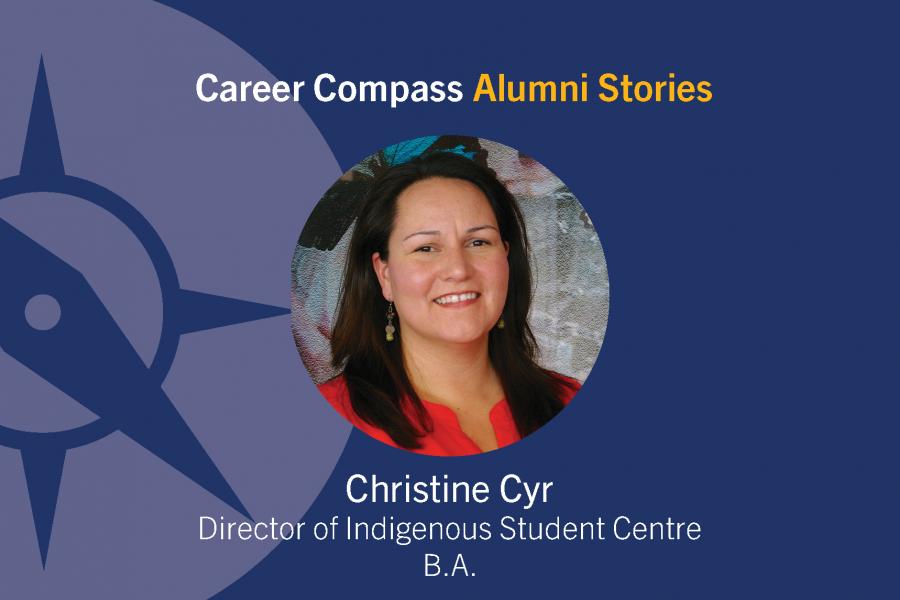
Career Compass Native Studies Alumni Story: Christine Cyr, Director of Indigenous Student Centre, B.A.

Christine Cyr, B.A.

Christine Cyr is the director of the Indigenous Student Centre. Christine's job consists of working with a team that includes Elders to provide the very best service to students by offering advising, programming, cultural activities, leadership and mentorship opportunities.

Read more about Christine Cyr's career path

Briefly, tell us about your job. What do you find most rewarding? What are your greatest challenges within this profession?

I am the director of the Indigenous Student Centre. My job consists of working with a team that includes Elders to provide the very best service to students. We offer advising, programming, cultural activities, leadership and mentorship opportunities. My specific role is to manage the Indigenous Student Centre team. My personal goal is to lead and empower the team in our collective goal of inspiring, guiding and supporting students in the very best ways possible. What’s rewarding to me is that every single day, I feel like I’m making a difference. I have a job that is challenging, engaging and that requires me to use all of my gifts and skills in service to others.

What experiences and activities helped you to map out your career pathway?

My life has been filled with challenges that included growing up in poverty, being a young single mother and being disconnected from my cultural identity. The thing that kept me grounded and strong was the belief that others had in me. I had so many “champions” who pushed me, challenged, nurtured and had faith in me – even when I didn’t have faith in myself.

One of the most important experiences of my life happened in my second year of university. Up until that point, I had remained disconnected from my culture because of the environment that I had been raised in. I took a course called “Aboriginal Wisdom and Spirituality.” This would be the first step in my lifelong commitment to being a proud Indigenous woman. It was because of this course that I realized my passion for working with and for Indigenous peoples.

As a student, did you see yourself in your current career? What stayed the same and/or changed?

I didn’t start out with a plan to work in a post-secondary environment but I knew that education was going to be the way out of poverty. When I first came to university, I wanted to be a nurse. It was a career that I understood, that would allow me to help others and that I could be proud of. Once I was here, I changed my mind a few times, eventually ending up in pre-med. But medical internships and the dawning realization of what that career would mean to my family life eventually led me to decide that becoming a doctor wasn’t for me.

When I graduated from the University of Manitoba, I was very fortunate that I was able to work in areas that were important to me like teaching traditional Indigenous values in science to First Nations students throughout Manitoba and then helping Indigenous university graduates find meaningful employment. Those were great experiences that solidified my passion for working with the Indigenous community.

What advice do you have for students who are interested in pursuing a degree in native studies?

My major was native studies and the courses I took in that department ended up defining both my life and career path. For me, learning about the true history of Canada and the Indigenous peoples of Canada who have been visionaries and heroes has been transformative. I learned about Indigenous women in Canada, language and the land and the spiritual traditions of our ancestors. It was one of the most eye-opening, stimulating and transformative experiences of my life.

For students interested in pursuing an Arts degree, I would say that your experience will be fulfilling on so many levels. Arts courses stretch your mind, they challenge you to question what you know and how you see the world and help you to define your place in the world.

What job search advice do you have for students and recent graduates?

My best advice for all students is to begin to build your career while you are here, while you are a student. We have an outstanding Career Services department with career consultants who can help you navigate your choices and changes. When you put a huge effort into getting an excellent education, part of that has to be preparing for what comes next.

While I was a student, I had to opportunity to do two summer-long internships. Even though I didn’t end up in that career field, I am so happy I had the chance to explore these options while I was a student and there was still time to make course and program changes. I encourage all students to make career planning part of their education.

Tell us a fun fact about your career path.

During one of my summer internships, I worked in a genetics research lab and the first time I had to handle real live human tissue samples, I prepared all of my tools, psyched myself up and then promptly fainted. It was one of my first clues that maybe I wasn’t cut out for a career in medicine.

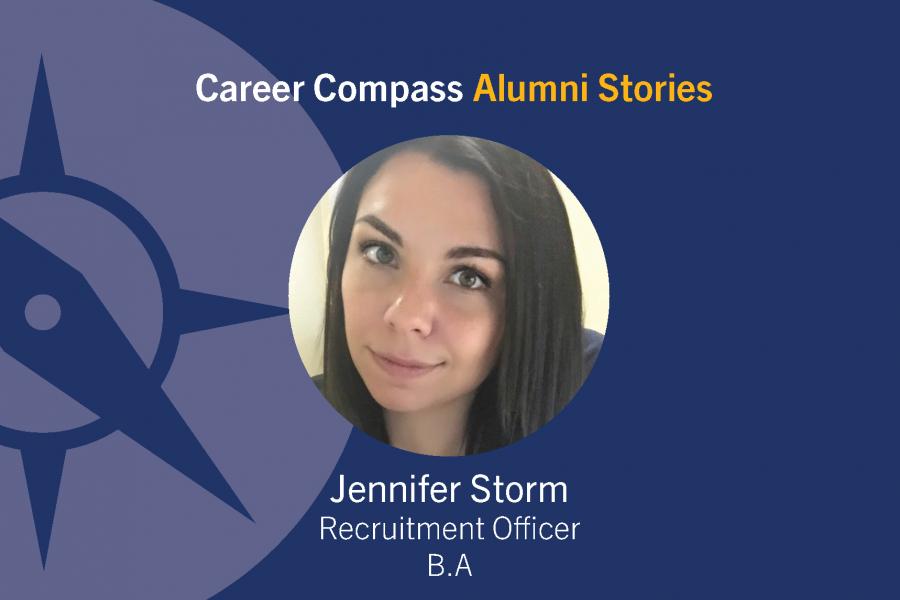
Career Compass Native Studies Alumni Story: Christine Cyr, Recruitment Officer, B.A.

Jennifer Storm, B.A.

Jennifer Storm's first job after graduating was as an Indigenous student recruitment officer at the University of Manitoba. Currently, Jennifer works in the Northern Medical Unit recruiting Family Physicians.

Read more about Jennifer Storm's career path

Briefly, tell us about your job. What do you find most rewarding? What are your greatest challenges within this profession?

My first job after graduating was as an Aboriginal student recruitment officer at the University of Manitoba. Currently, I’m working in the Northern Medical Unit recruiting Family Physicians. Recruitment is about promoting opportunities, being supportive and helping people make some big decisions in their education or career. If you summarize all my job duties, I’m basically your first friendly face and handshake when you’re coming up to a big transition in your life. I get to be the one to either hold your hand, or watch you run on your own, whatever you need!

The biggest challenge is that ‘recruitment’ sounds like a dirty word when, historically, people viewed it as a job that tries to sell you on something. It’s not like that. It’s not about filling quotas, it’s about helping people make a decision, regardless if it is the right fit for them or not. It was just as satisfying sending someone to another institutional recruiter if that school has the right program/atmosphere for them. It’s the same with the physicians I work with now. For example, some doctors signed up just ‘test the waters’ and now we’re celebrating their 30 years of service in Churchill. However, not everyone is a good fit for the North and that’s okay too.

What experiences and activities helped you to map out your career pathway?

I never said, “I want to be a recruiter when I grow up.” It was following my interests and passions that lead me here and I feel very blessed both professionally and personally. I chose to study native studies because I wanted to know more about myself as an Indigenous woman. I grew up in the city but came from a reserve and I graduated high school without much knowledge about the history of where I came from. When I experienced racism, I knew it was wrong, but I didn’t have the tools to address it. I didn’t know how to confront racism constructively. I realized I wasn’t going to be given the answers without seeking them out for myself—so I did. I enjoyed my classes enough that I switched my major from psychology to native studies. I also volunteered every year at the Graduation Pow Wow and the Elders Gathering on campus.

After I graduated, I did not immediately get the jobs I wanted, such as a coordinator or scaabe (Elder helper), but I learned that I was always given the jobs I needed. Ceremony is not always about what it can give you or what you think you deserve at the time, it’s about what you can give to others that makes you a successful person and that will give you the greatest teachings. Step outside of yourself and do the things that need to get done, even if in a moment of entitlement you feel you’re above it, because that’s how you become the doer, the helper, the scaabe.

As a student, did you see yourself in your current career? What stayed the same and/or changed?

As a student I originally wanted to be a counsellor, someone who gives advice and fixed other people’s problems. I soon found out that is not how counselling works, at all. Now, I give people advice all the time now, they actually seek me out for it! I also get to meet lots of people from all over the place and hear their stories, help them sort through challenges and celebrate their successes. It really is a good deal for me. Life has a funny way of redirecting you from where you think you want to go and, in my case, it was needed, appreciated and fulfilled.

What advice do you have for students who are interested in pursuing a degree in native studies?

Give it a shot. It worked for me and hopefully it will for you too. The good thing about university is that there are electives and room to go out and discover your niche. How would you know if you’re interested in engineering if you’ve never taken a class? Some high schools are now offering native studies classes, but it only scratches the surface. If it interests you, explore it. Native studies is becoming more and more important, no matter which career you choose. If native studies is your passion, then you have to go with it; that fire is in you for a reason.

What job search advice do you have for students and recent graduates?

Humility. You just worked hard to get your degree, worked hard at jobs to pay the bills, volunteered and networked to get your resumé top notch. You do deserve a job. Sometimes your dream job isn’t waiting for you with open arms and you need to know that it’s ok. It’s disappointing and stressful, but normal. Don’t be above starting off at a job you feel over qualified for. Maybe you have a master’s degree but you can only find jobs as someone’s assistant. Be thankful and take the job. Do the best you can with it and people will see you. A big part of networking is being remembered in a good way. If they see you work hard and being helpful they will remember you when they see your name for a position you’ve applied for in their organization. They will remember you when they see a job advertisement that would be perfect for you. It’s not just about who you know anymore, it’s also about what they know about you too. Don’t be the entitled recent graduate who is too smart to be wiping up spilled coffee or too important to volunteer to take the meeting minutes. The community is a lot smaller than it seems, trust me. In no time, people will start knowing who you are. Let them know how good you are at working hard.

Tell us a fun fact about your career path.

I never thought of recruitment as a job while I was in school. There are so many options out there that no one is necessarily talking about how that might be the perfect fit for you. I saw a job posting on the University of Manitoba website for an aboriginal student recruitment officer and it got me excited to see a job related to my degree was available. The job required me to travel all over Manitoba and visit communities to do presentations, organize events, etc. Through that job I was able to advise thousands of students and experience Manitoba in a way I’d never have had the opportunity to otherwise. I remember one specific afternoon when I convinced colleagues to stay at work late to meet me and a student I had just picked up from his hotel because he traveled all the way to Winnipeg from Lac Brochet just to have a tour and get set up for school. He never told me he was coming, he called me at 4:00 p.m. and said “I’m at this hotel, I came to see the University, can you please come get me?” He had never been to Winnipeg before and he didn’t realize that I might be busy or that the University is actually far away from the airport. He didn’t know how to use a bus or a taxi and he was too shy to ask anyone at the front desk for help. He only knew me, the girl who came to Lac Brochet to talk about university. I remembered what my and his Elders taught us, about the importance of caring for one another; all those lessons about humility, patience, reciprocity, understanding and compassion. I was able to do that work every day. Recruitment might not be for you and it doesn’t really matter what job title you end up having. My point is, you can make any work as meaningful as you want if you take our teachings with you. Miigwetch.

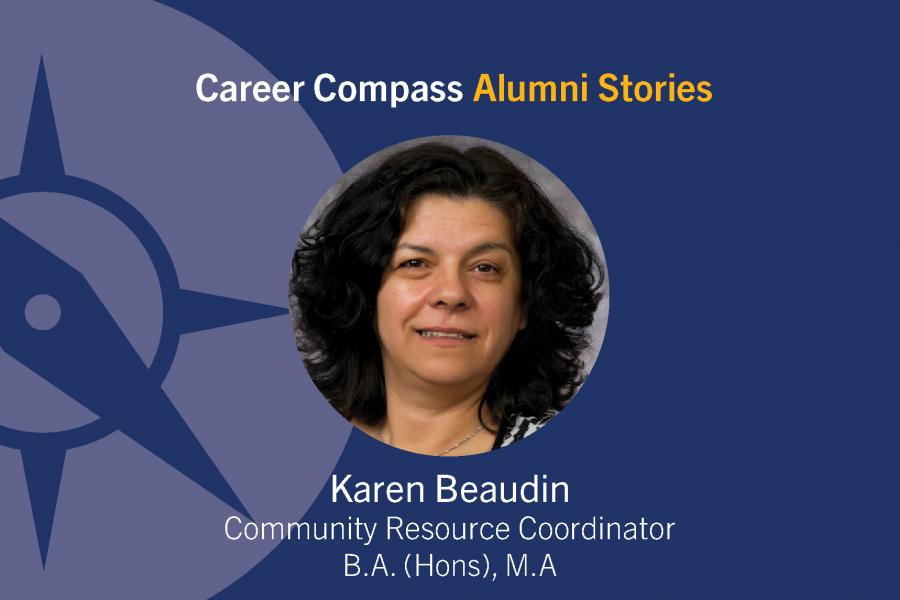
Career Compass Native Studies Alumni Story: Karen Beaudin, Community Resource Coordinator, B.A. (Hons), M.A.

Karen Beaudin, B.A. (Hons), M.A.

Karen Beaudin is a community resource coordinator at the City of Winnipeg, Community Services Department. Karen works in a community development field and enjoys working with community groups in the Downtown and Elmwood areas.

Read more about Karen Beaudin's career path

Briefly, tell us about your job. What do you find most rewarding? What are your greatest challenges within this profession?

I am a community resource coordinator at the City of Winnipeg, Community Services Department. I work in a community development field and enjoy working with community groups in the Downtown and Elmwood areas. I find it rewarding to work in the community to create new programming as identified by the community members. There are challenges that take time to overcome, such as budget issues and conflicts amongst groups and community.

What experiences and activities helped you to map out your career pathway?

Volunteering with various Indigenous organizations and working with community groups allowed me to network and make new contacts. I enjoy working with people and this job opportunity was a community development position that gave me the opportunity to work with people in the community.

As a student, did you see yourself in your current career? What stayed the same and/or changed?

No, I did not see myself in my current career. Professional development, attending workshops and going back to university to get a social work degree was an asset. There is always something new to learn; the community is changing all the time.

What advice do you have for students who are interested in pursuing a degree in native studies?

Take the time to volunteer with non-profit organizations and build a relationship with people in the community. Participate in community workshops and talk to Elders in the community.

What job search advice do you have for students and recent graduates?

There are many sites on the internet that advertise jobs. Another opportunity is to get your name on community distribution lists, where the community jobs are posted and advertised.
Networking at different events, meetings in the community and building relationships with people may sometimes lead to job information and a potential employer getting to know you and your skill set.

Tell us a fun fact about your career path.

I have had the opportunity to work in various jobs with the City of Winnipeg. I have worked as a dental assistant, a community development worker and an Aboriginal outreach worker. My current role is as a community resource coordinator working in the Downtown and Elmwood neighbourhoods.

I started teaching square dancing to the kids in Lord Selkirk Park many years ago and now square dancing is offered as a program in the community. I also helped coach a 10 year old boy’s hardball team at Turtle Island. At some of our games, it was like watching the Bad News Bear movie where the kids were laying on the field, picking dandelions and not really focusing on the game. The team was provided with two hardball workshops and really improved their game. They won a few games and did really well in the playoffs.

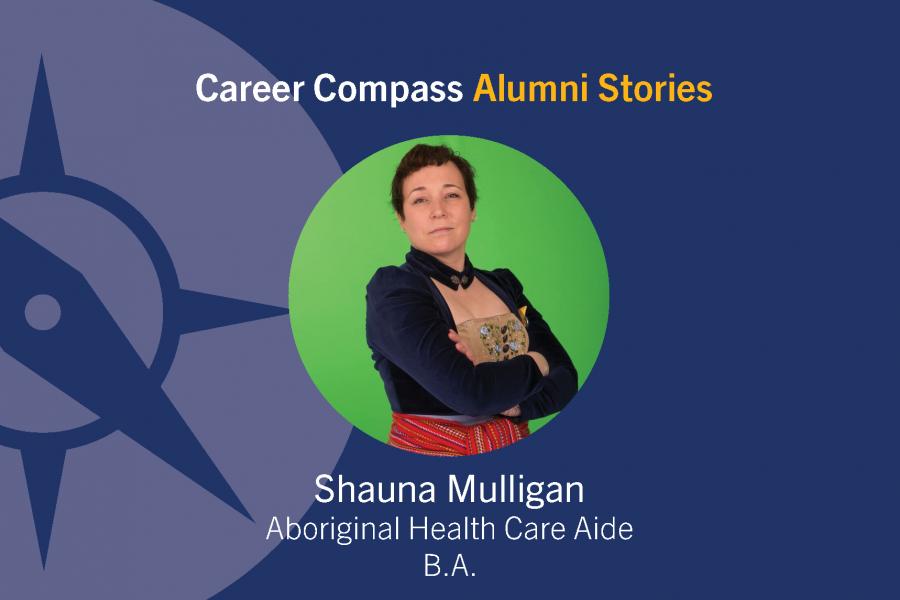
Career Compass Native Studies Alumni Story: Shauna Mulligan, Aboriginal Health Care Aide, B.A.

Shauna Mulligan, B.A.

Shauna Mulligan works in two places currently, both of which her degree has helped her with. Firstly, Shauna works at St. Boniface General Hospital in the Neonatal Intensive Care Unit as an Aboriginal Health Care Aide. Secondly, she works as a writing tutor for the Access and Aboriginal Focus Program.

Read more about Shauna Mulligan's career path

Briefly, tell us about your job. What do you find most rewarding? What are your greatest challenges within this profession?

I work in two places currently, both of which my degree has helped me with. Firstly, I work at St. Boniface General Hospital in the Neonatal Intensive Care Unit as an Aboriginal Health Care Aide. Secondly, I work as a writing tutor for the Access and Aboriginal Focus Program. The most rewarding part of my job in Aboriginal health services is seeing babies go home with their families and seeing components of culturally appropriate care being given. For tutoring, the most rewarding thing is seeing students succeed in areas in which they were struggling.

The challenges I face within my two jobs are very different. Within the hospital, dealing with the systemic and institutionalized forms of racism is difficult because challenging those ideas creates conflict. I am happy if people understand what I tell them, but there are some who simply refuse to let go of old methods of thinking. With tutoring, the biggest challenge is motivation. When students approach me with little to no motivation, it is challenging to help them develop the skills they need to succeed.

What experiences and activities helped you to map out your career pathway?

Working as a teaching assistant in the third year of my undergraduate degree helped me to understand what professors go through when they teach and this helped solidify my plans to complete a master’s degree and teach at the University of Manitoba. Taking that first native studies class helped me discover my passion for learning about Indigenous peoples and the unique challenges they face, but it was my experience as a medical assistant in the Reserves that helped me figure out what I wanted to do with my education. I put the two together and found that there is research and teaching I can do on the subject of Indigenous veterans and currently serving soldiers, which will be the focus of my master’s thesis.

As a student, did you see yourself in your current career? What stayed the same and/or changed?

I started attending university to become a nurse, but that changed when I took the required native studies course. I started taking more and more native studies courses and I started to think about what I could do with my degree after I graduated. I knew I wanted to study more, I just didn’t know in what area. I didn’t figure it out until my third year of university when I began to put my practical military experience together with my native studies learning experience. If a teaching position opens up in the department of native studies after I complete my master’s degree, I will be leaving health-care after 15 years of service. This will give me the opportunity I need to pursue a PhD in native studies.

What advice do you have for students who are interested in pursuing a degree in native studies?

Find that one thing you are really good at and hone it. Whether it is writing, research, networking, critical thinking or leadership, find a professor who is willing to challenge you in and help you develop. Don’t discount your experiences and your community. They are both valuable sources of information.

What job search advice do you have for students and recent graduates?

Keep in contact with the professors that encouraged you. I found the Access Program tutoring position through a professor, who recommended me to the program director. Having that support was instrumental in getting my application considered for a position generally geared towards master’s and PhD level graduates.

Tell us a fun fact about your career path.

As part of my work with the University of Manitoba, I have been interviewed by two different papers. One article was on Métis identity, and the other was on the importance of the Graduation Pow Wow and Indigenous graduates. I will also be featured in the 2016-2017 Faculty of Arts Handbook.

Campus resources and supports

Get one-on-one help

  • Meet with a career consultant

    Meet with a career consultant for a confidential discussion about your career goals, job search, resumé/CV and interview preparation.

    Contact Career Services at cs.receptionist@umanitoba.ca or call 204-474-9456 to make an appointment.

  • Talk to an academic advisor

    Talk to an academic advisor who will guide you to resources to help you make important decisions for your future. Advisors are specialized, often by program, faculty/school or unit.

    Find your advisor

Continue exploring

Select a Career Compass

Use Career Compass as a guide to develop a strong connection between your studies and your occupational choices. It will provide you with suggestions for academic and career planning specific to your program.

Advisors and Educators Guide

Contact us

Connect with the faculty

Department of Indigenous Studies
Room 215 Isbister Building
183 Dafoe Road
University of Manitoba (Fort Garry campus)
Winnipeg, MB R3T 2N2

204-474-9266

Connect with Career Services

Career Services
Room 474 UMSU University Centre
65 Chancellor's Circle
University of Manitoba
Winnipeg, MB R3T 2N2 Canada

204-474-9456
204-474-7516
Monday to Friday, 9:00 a.m. to 4:00 p.m.