Get the information you need for academic planning and connect with experiences to develop the knowledge, skills and attributes that employers are seeking.

This resource is meant as a guide to provide suggestions throughout your time at university (refer to the Academic Calendar for a complete list of program requirements). Develop a plan and timeline that suits you best. Make intentional choices for your courses and work experiences.

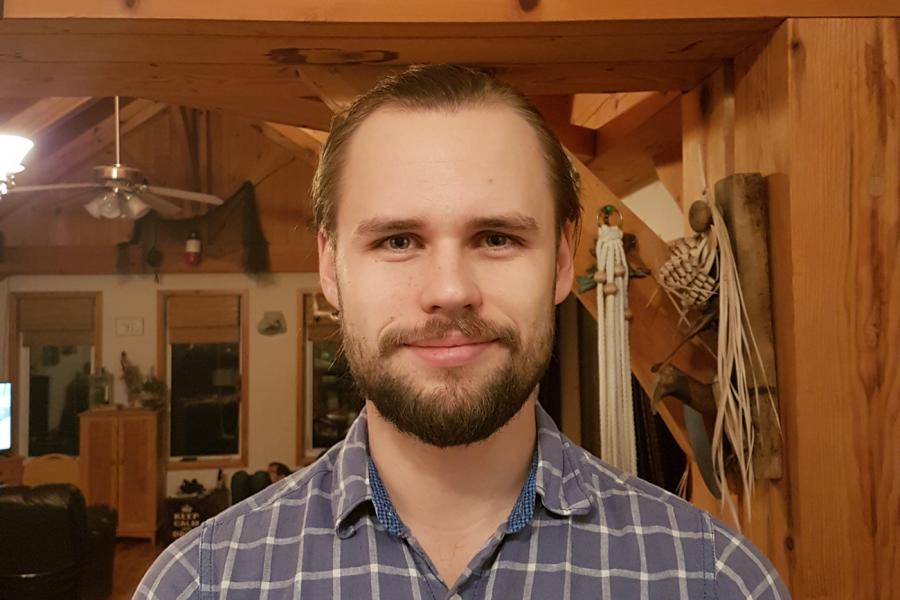
  • Photo of Simon Reimer
  • Student spotlight

    “You won’t understand a language magically overnight, nor will it be easy. But if you work at it, you eventually get rewarded for your patience. It wasn’t until my third year that I began to understand the language more, and the more I understood, the easier it became to learn new grammar and vocabulary.”

    Simon Reimer, German student

German and Slavic Studies at UM

As a German and Slavic studies student in the Faculty of Arts, you will explore in-depth the languages, literatures and cultures of Germany, Russia and Ukraine, in their histories and contemporary societies. The Department of German and Slavic Studies has many opportunities for you to explore including a minor program in Polish, community outreach activities and numerous travel and study abroad programs.

Skills you will gain by studying GERMAN and SLAVIC STUDIES

  • A comprehensive knowledge of the German and/or Slavic languages (writing, speaking, reading, listening and translation)
  • The ability to interpret another culture’s way of thinking and the ability to mediate between cultures and languages
  • The ability to critically evaluate text, media and other cultural forms and independently research new areas of information
  • The ability to develop problem solving strategies and a high self-awareness that can be transferred to many disciplines

Academic Success

Year 1 - 30 credit hours


Course requirements:
German: GRMN 1122 and GRMN 1124

Russian: RUSN 1302 or RUSN 1304

Ukrainian: UKRN 1312 or UKRN 1314

To do this year:

  1. Know the requirements for your degree. Meet with an academic advisor or department advisor to help you plan your program.
  2. If you need academic support, visit the Academic Learning Centre for workshops or to meet with a learning skills instructor.

Year 2 - 60 credit hours


Course requirements:
German: GRMN 2102 and GRMN 2104. Check the Academic Calendar for additional requirements. 

Russian: RUSN 2812 or RUSN 2814

Ukrainian: UKRN 2722 or UKRN 2724

To do this year:

  1. Should you follow a 3-or 4-year plan? Meet with a department advisor and career consultant to map out your options.
  2. Consider taking a double major program or the Polish minor program.
  3. Consider also completing a micro-diploma in Introduction to German Language, Life and Culture alongside your B.A. Degree.

Year 3 - 90 credit hours


Course requirements:
German: GRMN 3202 and GRMN 3204. Check the Academic Calendar for additional Year 3 requirements. 

Russian: 6 credit hours from RUSN 3100 or RUSN 3110 or RUSN 3220, plus additional RUSN or SLAV courses, or from designated list

Ukrainian: UKRN 3952 and UKRN 3962, plus additional UKRN or SLAV courses, or from designated list. 

To do this year:

  1. Meet with a department advisor for honours program approval.
  2. Meet with your co-op advisor (if applicable).
  3. Confirm eligibility to graduate with an academic advisor and declare intent to graduate in Aurora (3-year option).

Year 4 - 120 credit hours


Course requirements:
Check the Academic Calendar for Year 4 requirements. 

To do this year:

  1. Meet with an department advisor for honours program approval.
  2. Meet with your co-op advisor (if applicable).
  3. Confirm eligibility to graduate with an academic advisor and declare intent to graduate in Aurora.

Career Tips

Year 1 - 30 credit hours


Start planning your career:

  1. Meet with a career consultant to generate career ideas based on your interests, values, personality and skills.
  2. Research occupations that match your skills and interests.
  3. Set up a UM Connect account to view job postings and register for workshops and events.
  4. Set up your Experience Record, an official record of university-approved activities.

Year 2 - 60 credit hours


Make professional connections:

  1. Join the Career Mentor Program to learn from professionals.
  2. Attend career fairs to connect with employers.
  3. Develop professional connections with professors by applying for an Undergraduate Research Award.

Market your skills: Develop your resumé and cover letter and refine your interview skills.

Year 3 - 90 credit hours


Investigate your career options:

  1. Look at sample job postings to ensure you have the qualifications upon graduation.
  2. Develop employability and essential skills sought by employers.
  3. Create a LinkedIn profile to network with professionals.

Consider continuing your studies: Check out the Faculty of Graduate StudiesExtended Education or other academic institutions. Consider taking a pre-Master’s to be eligible for graduate school in Slavic Studies.

Year 4 - 120 credit hours


Start job search 9 months in advance: Contact Career Services to refine your job search and self-marketing strategies. You can visit the office up to 6 months after graduation.

If you are continuing on to graduate school: Finalize your application materials and required tests. Use the awards database to search for funding and awards to help finance your continuing education. Contact your department to find out how their awards deadlines are advertised.

Volunteer & Work Experience

Year 1 - 30 credit hours


Link experiences to your career interests. Options include:

  1. Join student groups and/or associations including the German (D.E.R. Klub), Russian, Ukrainian and/or Polish Student Association.
  2. Volunteer for UM Orientation events to help welcome new students to campus while gaining experience.
  3. Student work opportunities including Work-StudySTEP Services or Federal Student Work Experience Program.
  4. Experiential education opportunities such as UM Community Volunteers.

Year 2 - 60 credit hours


Explore student research opportunities: Apply for an Undergraduate Research Award and inquire about research assistant positions.

Gain practical experience by volunteering: Check out Folklorama and Volunteer Manitoba opportunities in cultural communities.

Find opportunities to market yourself: Become a Faculty of Arts Student Ambassador or join the Student Leadership Development Program.

Earn while you learn: Consider applying to the Arts Co-operative Education program once you have completed 48 credit hours.

Year 3 - 90 credit hours


Continue or start research: Participate in the Undergraduate Research Poster Competition.

Check out student job opportunities with: Work Student Summer Program or the German-Canadian Congress.

Search for job opportunities online: Check out Germany.gc.caJob BankFind My Job, Indeed or other search engines.

Use your networks and connections: Inquire about unadvertised job openings (the "hidden job market").

Year 4 - 120 credit hours


Ensure you have references in place: Ask your professor for a reference or a letter of recommendation if you're applying for graduate school.

Assess your resumé: Identify any gaps in experience and fill them through volunteering, work placements or internships such as as the Foreign Language Assistant Program in Germany and other internships in Central and Eastern Europe.

Cultural Opportunities

Year 1 - 30 credit hours


Considering international opportunities? Visit the Centre for Ukrainian Canadian Studies, Language Centre and check out the International Centre website to learn more international opportunities for UM students. Consider taking a Travel Study course to Germany, Ukraine or Poland this summer.

Explore communities and cultures you want to work with: Visit Migizii Agamik, the International Centre for Students or learn about local agencies via 211 Manitoba.

Year 2 - 60 credit hours


Develop global career skills and expand intercultural learning: Consider an international student exchange to Germany, Ukraine or Hungary, Canadian Summer School in Germany or the Summer Session Language Seminar in Ukraine.

Staying local? Consider learning a new language and culture through the Volunteer Language Exchange Program or participate in the multicultural opportunities on campus: volunteer for Graduation Pow Wow.

Year 3 - 90 credit hours


Participate in the multicultural opportunities on campus:
Visit the International Centre web site to learn about international opportunities for UM students, participate in the Intercultural Leadership Development Program, volunteer for the International Student Mentorship Program or take part in Graduation Pow Wow.

Year 4 - 120 credit hours


Prepare to work in a multicultural environment: Visit Canada's National Research Centre for Truth and Reconciliation on campus and register for the Intercultural Leaders program through the International Centre.

What do employers want?

Industries such as business, education and government would value a German and Slavic studies major in combination with the employability skills that are highly sought after by employers. These include:*

  • Oral and written communication
  • Critical thinking
  • Problem solving
  • Teamwork
  • Cultural Competency
  • Digital technology
  • Continuous learning

Attain skills through your classroom education by taking advantage of experiential education opportunities.

*Information has been adapted from Employability Skills 2000+ and Workplace Education Manitoba – Essential Skills.

Alumni Stories

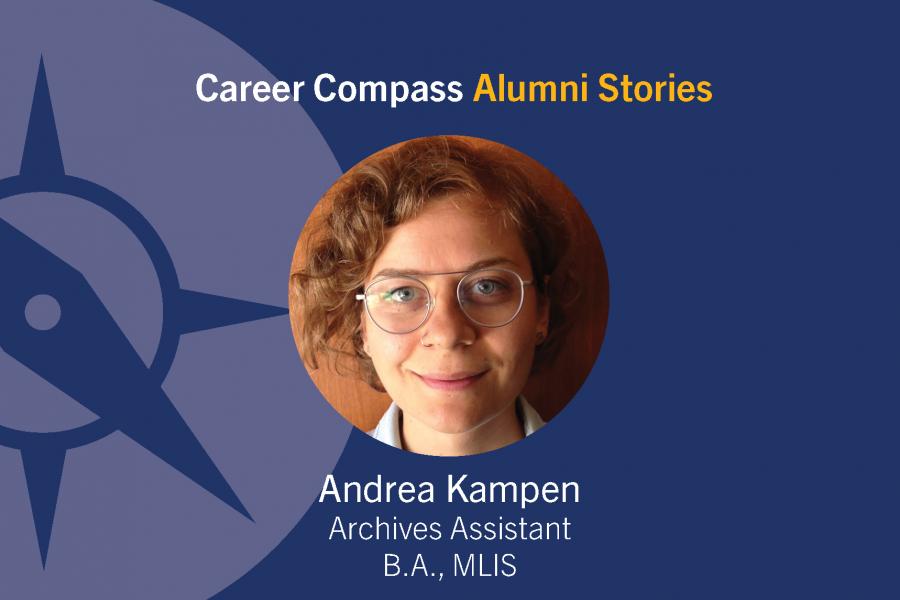
Career Compass German and Slavic Studies Alumni Story: Andrea Kampen, Archives Assistant, B.A., MLIS

Andrea Kampen, B.A., MLIS

Andrea currently works in the Library Archives and Information Management field. She is drawn to this field because she enjoys connecting people to the information they are looking for. Whether it is a book to read for leisure, a relative’s records in an archive or connecting a researcher to articles published in their subject, it is incredibly rewarding for Andrea to use search skills to empower people in their learning.

Read more about Andrea Kampen's career path

Briefly, tell us about your job. What do you find most rewarding? What are your greatest challenges within this profession?

I currently work in the Library Archives and Information Management field. I am drawn to this field because I enjoy connecting people to the information they are looking for. Whether it is a book to read for leisure, a relative’s records in an archive or connecting a researcher to articles published in their subject, it is incredibly rewarding to use search skills to empower people in their learning. I enjoy considering the challenging questions surrounding the topics of information access, privacy and articulating the importance of libraries and memory institutions.

What experiences and activities helped you to map out your career pathway?

During a project in my undergraduate degree I was tasked with finding a review of a film from the 1930’s. I visited the mircofilm section of the library and had the most incredible librarian help me find my resources. During this experience I realized that the hunt for information could be a career. Information can be conveyed through so many different ways – image, text, audio -and having a second language can impact how the content of the various mediums is perceived. My undergraduate degree in German prepared me to think critically and creatively and gave me an opportunity to develop my soft skills in a supportive and challenging environment.

As a student, did you see yourself in your current career? What stayed the same and/or changed?

I decided early in my undergraduate degree that I wanted to pursue a Master in Library and Information studies. This program doesn’t require a specific undergraduate degree, which allowed me to focus my undergraduate experience to prepare me for further education and career.

What advice do you have for students who are interested in pursuing a degree in german and slavic studies?

I would encourage people to think beyond the work/travel or literary opportunities that the German program can offer. Getting a degree in another language can impact how you understand the world around you and can increase sensitivity to other cultures but also help you gain access to information that may otherwise have been imperceptible.

What job search advice do you have for students and recent graduates?

Build relationships and do not discard opportunities that may not seem to directly fit into where you think you’re going. Down the road that professor or peer you connected with may have the connection to bring you closer to your goal. The job market is difficult and thinking creatively about how the skills you learn in your undergrad can be applied is going to make you a strong scholar and employee.

Tell us a fun fact about your career path.

A fun fact is that I have no idea where I’m headed next!

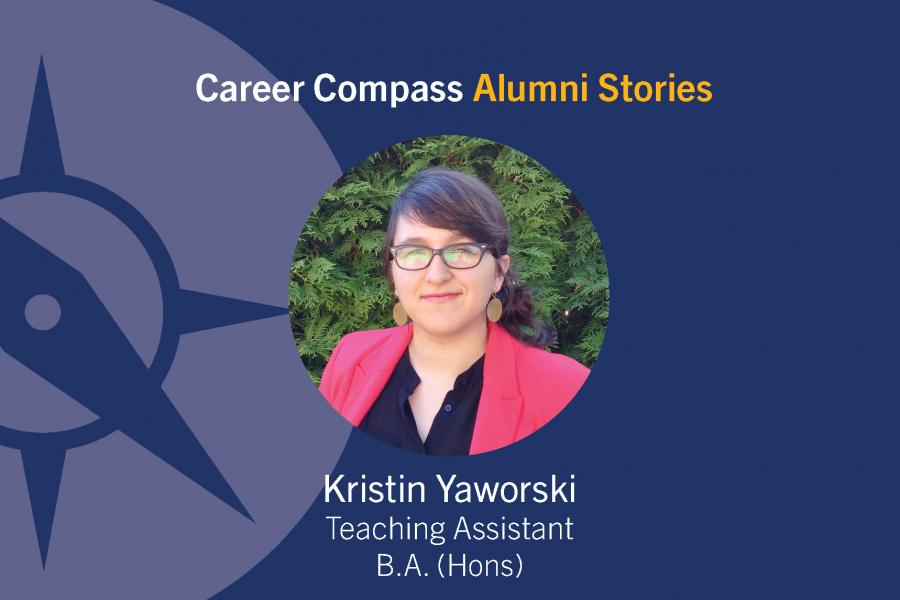
Career Compass German and Slavic Studies Alumni Story: Kristin Yaworski, Teaching Assistant, B.A. (Hons)

Kristin Yaworski, B.A. (Hons)

Kristin is currently employed by the University of Waterloo, where she is also pursuing a Master of Arts in Intercultural German Studies. Her job is to assist those in the German department with various tasks, such as grading assignments, monitoring online language courses and collecting and organizing data for the department’s website.

Read more about Kristin Yaworski's career path

Briefly, tell us about your job. What do you find most rewarding? What are your greatest challenges within this profession?

I am currently employed by the University of Waterloo, where I am also pursuing a Master of Arts in Intercultural German Studies. My job is to assist those in the German department with various tasks, such as grading assignments, monitoring online language courses and collecting and organizing data for the department’s website. What I find most rewarding about this job is the opportunity to use and improve my German language skills. The greatest challenge is assisting others with their language learning—at times multiple teaching strategies must be employed in order for a student to have an “aha” moment.

What experiences and activities helped you to map out your career pathway?

I grew up in an area of Winnipeg where many individuals speak German or have German ancestry. This led to me attending a German bilingual program throughout most of my younger years. However, it wasn’t until I enrolled in German language courses at the university level that I began to develop a passion for the language itself, as well as the culture. I began to recognize the doors that knowing another language would open for me. I no longer imagined having career opportunities in Canada but also in Germany. I talked to the head of the department about what I needed to do to improve my language usage, attend university in Germany and continue on in academia. I am incredibly grateful that I was indeed given the advice I needed to do all these things.

As a student, did you see yourself in your current career? What stayed the same and/or changed?

I always knew that I wanted to work within the realm of academia and education. However, as I continue my studies, I find that I am constantly contemplating new careers and areas of study to pursue.

What advice do you have for students who are interested in pursuing a degree in german and slavic studies?

If you have even an inkling of interest in German language, culture or history, do not hesitate to pursue this degree. The skills and knowledge that you will acquire during your studies will prove invaluable to you, not only in your career, but also in your day-to-day life. I have learned to think critically, communicate effectively and expanded my intercultural competence. Also, reach out to faculty members in the department and engage them in a meaningful conversation about what you hope to accomplish in your studies, academically or professionally. Their knowledge can prove invaluable to pointing you in the direction you want to go.

What job search advice do you have for students and recent graduates?

Be flexible and take chances. Consider taking a job that requires you to relocate to a different neighbourhood, province or country. Moreover, apply to jobs that may be slightly outside of what you might deem to be your skill set. The challenges presented in these situations will only prove to be meaningful learning experiences.

Tell us a fun fact about your career path.

As a result of my studies, I’ve managed to spend a considerable amount of time living and studying in Germany. Fully immersing myself in the culture there made me question a number of the beliefs I held about myself and my identity as a Canadian. It became clear to me, during this time spent abroad, that my future life and career plans could involve living outside of Canada—a somewhat frightening but thrilling thought.

Campus resources and supports

Get one-on-one help

  • Meet with a career consultant

    Meet with a career consultant for a confidential discussion about your career goals, job search, resumé/CV and interview preparation.

    Contact Career Services at cs.receptionist@umanitoba.ca or call 204-474-9456 to make an appointment.

  • Talk to an academic advisor

    Talk to an academic advisor who will guide you to resources to help you make important decisions for your future. Advisors are specialized, often by program, faculty/school or unit.

    Find your advisor

Continue exploring

Select a Career Compass

Use Career Compass as a guide to develop a strong connection between your studies and your occupational choices. It will provide you with suggestions for academic and career planning specific to your program.

Advisors and Educators Guide

Contact us

Connect with the faculty

Department of German and Slavic Studies, Faculty of Arts
328 Fletcher Argue Building
15 Chancellors Circle
University of Manitoba (Fort Garry campus)
Winnipeg, MB R3T 2N2 Canada

204-474-9370

Connect with Career Services

Career Services
Room 474 UMSU University Centre
65 Chancellor's Circle
University of Manitoba
Winnipeg, MB R3T 2N2 Canada

204-474-9456
204-474-7516
Monday to Friday, 9:00 a.m. to 4:00 p.m.